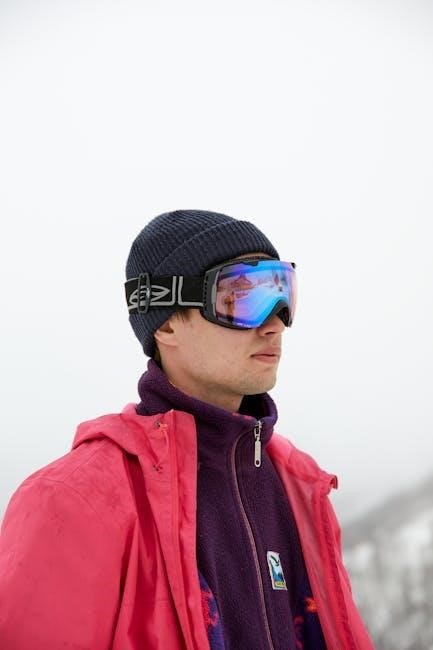
Navigating the slopes demands optimal vision, and ski goggle lens color is crucial. Selecting the right tint enhances clarity,
contrast, and safety, ultimately improving your overall skiing experience.
Ski goggle lens colors aren’t merely a matter of style; they fundamentally impact how you perceive the mountain environment. Different lens tints modify the spectrum of light reaching your eyes, influencing contrast, depth perception, and overall visibility. This directly translates to enhanced enjoyment and increased confidence on the slopes.
Manufacturers offer a wide array of colors, allowing skiers to express personal preferences while simultaneously optimizing vision for specific conditions. Modern lens technology expands options even for bright light, moving beyond traditional grays and blacks. Understanding the nuances of each color – from the all-purpose utility of gray to the low-light prowess of yellow – is key to making an informed choice. Selecting the appropriate tint ensures you can clearly see snow contours and potential obstacles, maximizing safety and fun.
Why Lens Color Matters for Skiing
Lens color significantly impacts a skier’s ability to navigate varying weather and snow conditions. The right tint can dramatically improve contrast, making it easier to discern changes in terrain, even in flat light. This enhanced visibility isn’t just about comfort; it’s a crucial safety factor, allowing you to react quickly to obstacles and changing conditions.
Different colors filter light differently. Some prioritize glare reduction, while others boost depth perception. Choosing a lens suited to the prevailing light levels ensures optimal vision, reducing eye strain and fatigue. Ultimately, selecting the correct lens color empowers skiers to fully enjoy the thrill of the sport without visual limitations, leading to a more confident and rewarding experience on the mountain.
Understanding Visible Light Transmission (VLT)
Visible Light Transmission (VLT) is a percentage indicating how much light passes through a lens. A lower VLT means less light reaches your eyes, ideal for bright, sunny conditions to reduce glare. Higher VLT percentages allow more light in, beneficial for overcast days or low-light situations like dusk or snowfall.
Generally, VLT ranges from 8% to 80%. Lenses for bright sun typically fall between 8-22% VLT, while those for variable conditions range from 23-43%. Low-light lenses often have a VLT of 44-80%. Understanding VLT is crucial for selecting a lens that provides optimal clarity and comfort, ensuring safe and enjoyable skiing regardless of the weather.
Lens Color Options for Different Conditions
Ski goggle lens colors aren’t just about style; they significantly impact visibility. Different tints excel in varying weather. Gray lenses offer true color perception and reduce overall brightness, making them versatile. Rose, pink, and red lenses enhance contrast, particularly useful in flat light. Yellow and amber lenses are champions in low-light, boosting depth perception.
Blue lenses adapt well to changing conditions, while green lenses provide a more natural color balance. Manufacturers offer a wide spectrum, allowing skiers to personalize their vision. Choosing the right color based on anticipated conditions is key to a safe and enjoyable experience on the mountain.
Gray Lenses: All-Purpose Visibility
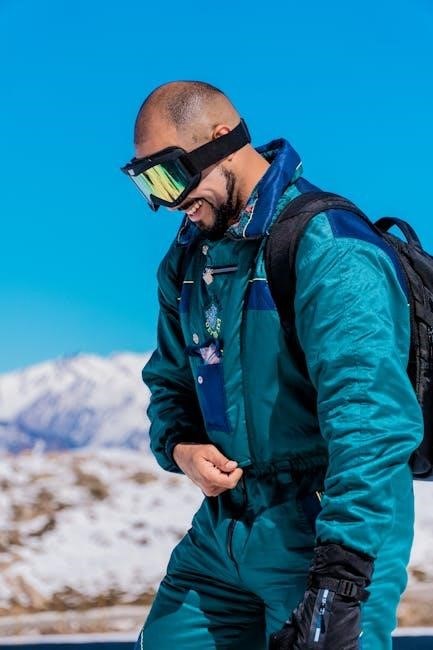
Gray lenses are the quintessential all-rounder in the world of ski goggles. They excel by reducing overall brightness without distorting colors, providing a natural viewing experience. This makes them incredibly versatile, performing well in a broad range of conditions – from sunny days to overcast skies.
They minimize eye strain and glare effectively, offering consistent clarity. While not specialized for extreme conditions, gray lenses are a solid choice for skiers who prefer a true-to-life color perception and don’t want to switch lenses frequently. They are a dependable option for general mountain use, offering reliable visibility.
Rose, Pink, and Red Lenses: Enhanced Contrast
Rose, pink, and red tinted lenses are celebrated for their ability to dramatically enhance contrast, particularly in flat light or variable conditions. These lenses filter blue light, which is often prevalent on snowy days, making terrain features “pop” and improving depth perception.
They’re a fantastic choice for skiers who want to see more detail in challenging visibility. While they may slightly alter color perception, the increased contrast often outweighs this drawback. These lenses are especially beneficial for navigating trees, moguls, or any terrain where subtle changes in elevation are crucial. They provide a significant advantage when conditions aren’t ideal.
Yellow and Amber Lenses: Low-Light Champions
Yellow and amber lenses truly shine when visibility is limited, making them ideal for overcast days, foggy conditions, or even dusk skiing. These lenses excel at filtering blue light, increasing contrast and brightening the visual field. They essentially sharpen your vision when the world appears gray and flat.
However, it’s important to note that yellow and amber lenses can distort color perception more significantly than other tints. They aren’t the best choice for bright, sunny days as they can cause eye strain. But for maximizing visibility in low-light scenarios, these lenses are unparalleled, offering a clear advantage in challenging conditions.
Blue Lenses: Versatility in Variable Conditions
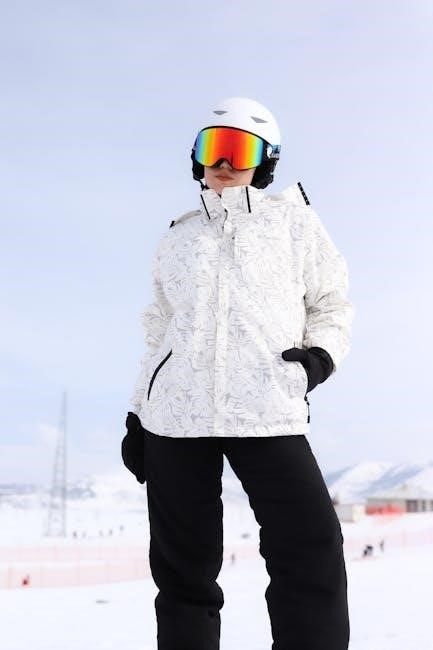
Blue lenses offer a balanced approach to visibility, making them a versatile option for a range of weather conditions. They enhance contrast while also providing good color fidelity, allowing skiers to perceive the terrain accurately. These lenses are particularly effective in partly cloudy or variable light conditions, where the light is constantly shifting.
While not as specialized as other tints, blue lenses provide a comfortable and clear view in many situations. They reduce glare without significantly distorting colors, making them a solid all-around choice for skiers who prefer not to switch lenses frequently. They are a good middle-ground option for adaptable vision.
Green Lenses: True Color Perception
Green lenses are renowned for their ability to provide exceptionally accurate color perception. Unlike some tints that alter how colors appear, green lenses allow skiers to see the terrain in its true form, enhancing depth perception and the ability to identify subtle changes in snow conditions. This is particularly beneficial for navigating varied terrain and spotting potential hazards.
They also offer good contrast and reduce eye strain, making them comfortable for extended periods on the slopes. While not the best choice for extremely bright or low-light conditions, green lenses excel in providing a natural and clear visual experience, favored by those prioritizing realistic vision.
Specific Weather Conditions and Lens Choices
Matching your goggle lens to the prevailing weather is paramount for optimal visibility and safety. Conditions dictate the necessary level of light transmission and contrast enhancement. Bright, sunny days demand lenses that minimize glare, while overcast or snowy days require tints that boost contrast in flat light.
Understanding these relationships allows skiers to adapt to changing conditions and maintain clear vision. Choosing the wrong lens can lead to eye strain, reduced depth perception, and increased risk of accidents. Therefore, considering the forecast and potential shifts in weather is crucial when selecting your ski goggle lenses.
Bright Sunny Days: Maximizing Glare Reduction
On brilliantly sunlit slopes, glare becomes a significant impediment to clear vision. To combat this, darker lens tints like gray or black are highly recommended. These colors minimize the overall light entering your eyes, effectively reducing glare reflected off the snow. Mirror coatings further enhance glare reduction by bouncing light away from the lens surface.
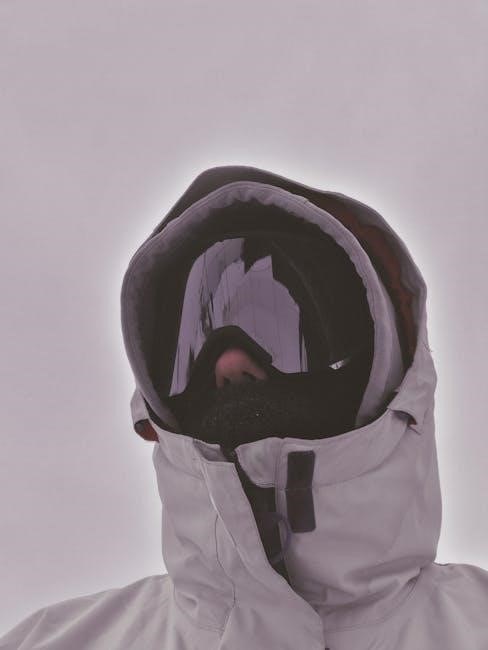
However, even with darker tints, ensure sufficient light transmission for adequate visibility. A lower VLT percentage is ideal, but complete darkness can hinder depth perception. Prioritizing glare reduction on bright days ensures comfortable and safe skiing, allowing you to fully enjoy the conditions without eye strain.
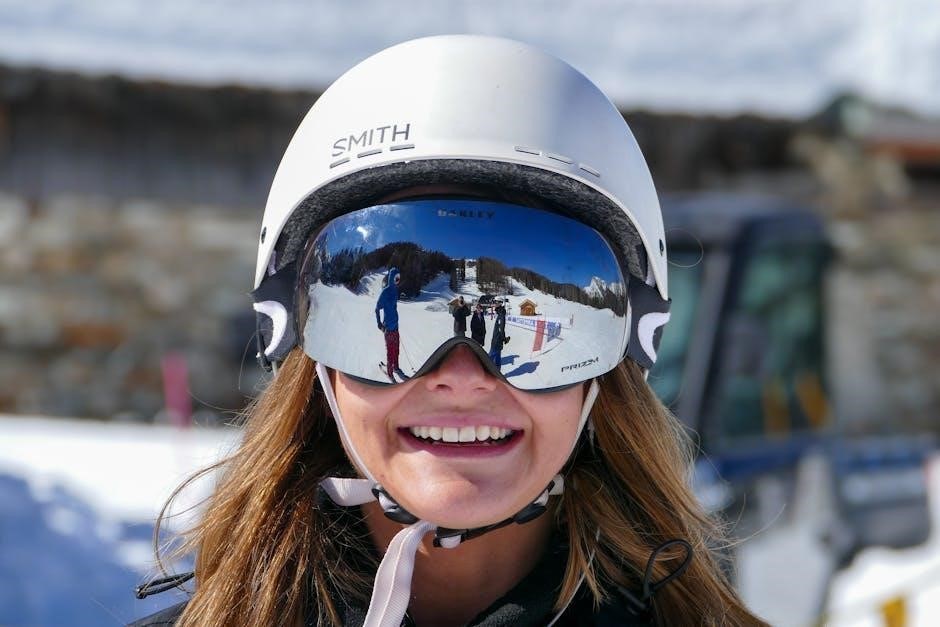
Overcast Days: Boosting Contrast and Depth Perception
When skies are gray and the sun is obscured, the snow can appear flat and featureless, making it difficult to discern terrain changes. In these conditions, rose, pink, or amber lenses excel at enhancing contrast. These warmer tones filter out blue light, which is prevalent on overcast days, and amplify details in the snow.
This increased contrast improves depth perception, allowing you to better judge distances and navigate the slopes safely. While darker tints might seem logical, they can actually reduce visibility in low-light situations. Opting for a lens that boosts contrast is key to maintaining a clear and defined view of the terrain ahead.
Snowy Days: Improving Visibility in Flat Light
Heavy snowfall creates “flat light” – a notoriously challenging condition where the lack of shadows makes it hard to read the terrain. Yellow or amber lenses are your best allies here. These tints dramatically increase contrast by blocking blue light, which is scattered by the snow crystals, and emphasizing yellows and oranges.
This filtering effect makes bumps, moguls, and other snow features appear more defined, improving your ability to navigate safely and confidently. While rose or red lenses can also help, yellow and amber generally provide the most significant boost in visibility when the snow is falling heavily and the light is truly flat.
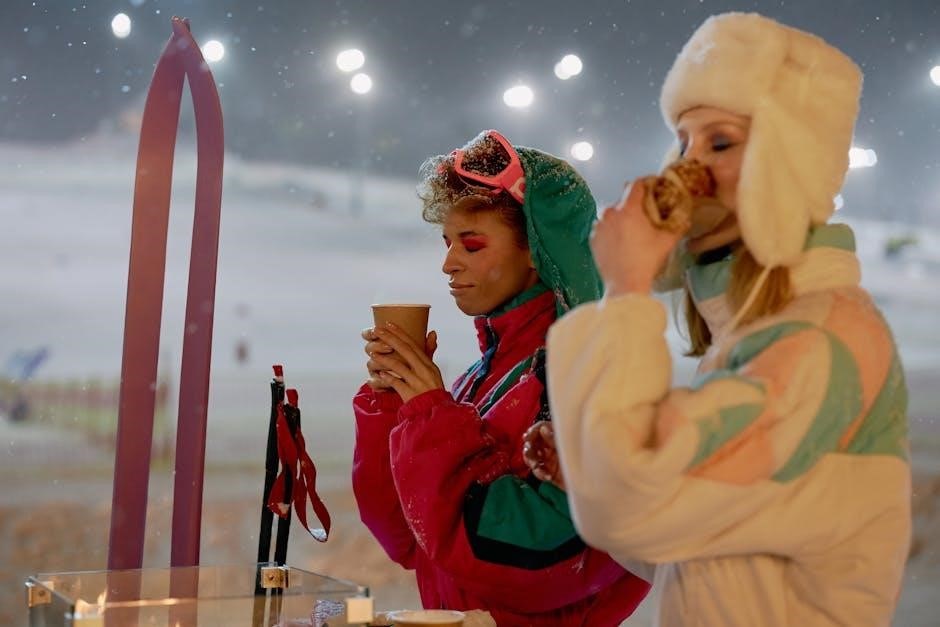
Night Skiing: Optimizing Vision in Low Light
Night skiing presents unique visual challenges, demanding lenses that maximize light transmission while minimizing glare from artificial lighting. Yellow or amber lenses are again the preferred choice, as they excel at enhancing contrast in dim conditions. They filter out blue light, allowing more of the available light to reach your eyes, improving depth perception and clarity.
Avoid darker tints like gray or black, as they significantly reduce the amount of light entering your goggles. Clear lenses are also an option, offering maximum light transmission, but they don’t provide glare reduction; Prioritize lenses with anti-reflective coatings to further minimize distractions from lights.
Lens Technology and Coatings
Modern ski goggles incorporate advanced technologies and coatings to enhance performance. Anti-fog coatings are essential, preventing condensation buildup that obstructs vision. These coatings create a hydrophilic layer, causing moisture to spread evenly rather than forming droplets. Mirror coatings reduce glare by reflecting light away from the lens, offering both functional and aesthetic benefits.
Photochromic lenses automatically adjust to changing light conditions, darkening in bright sunlight and lightening in overcast weather. This versatility eliminates the need to swap lenses frequently. Other technologies, like those from Smith and Oakley, focus on specific color spectrum enhancements for optimal clarity and contrast.
Anti-Fog Coatings: Maintaining Clear Vision
Fogging is a skier’s nemesis, instantly compromising visibility and safety. Anti-fog coatings are therefore paramount. These coatings work by creating a hydrophilic surface on the inner lens. Instead of water beading up and obstructing your view, the coating causes moisture to spread into a thin, transparent film.
Effectiveness varies; some goggles utilize double-layered lenses with enhanced ventilation to further combat fogging. Quality anti-fog treatments are durable, resisting abrasion from cleaning, but periodic reapplication may be necessary for optimal performance. Proper goggle care, avoiding touching the inner lens, also extends the coating’s lifespan.
Mirror Coatings: Reducing Glare and Enhancing Style
Mirror coatings, beyond their aesthetic appeal, significantly reduce glare. These coatings apply a reflective layer to the outer lens surface, bouncing sunlight away from your eyes. This is particularly beneficial on bright, sunny days and when skiing on snow-covered terrain, minimizing eye strain and improving visual comfort.
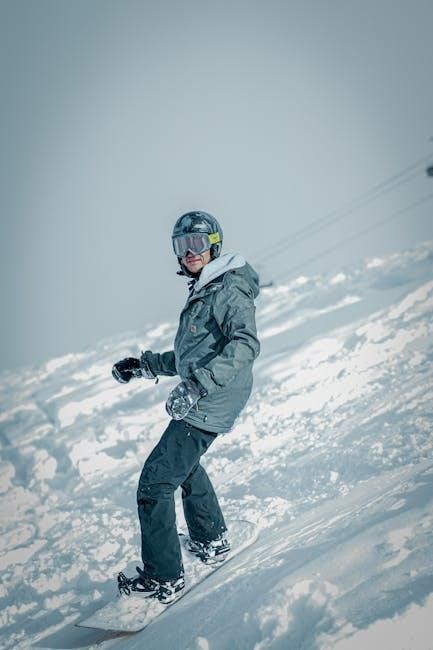
Various mirror finishes are available, ranging from silver and gold to vibrant blues and reds. Importantly, the color of the mirror coating doesn’t affect the base lens tint’s functionality. Modern mirror coatings are durable, but scratches can diminish their effectiveness over time, so careful handling is recommended.
Photochromic Lenses: Adapting to Changing Light
Photochromic lenses represent a convenient all-in-one solution for skiers facing variable light conditions. These lenses automatically adjust their tint based on the intensity of UV light. In bright sunlight, they darken to reduce glare, and as light levels decrease – such as when entering tree lines or during cloudy weather – they lighten to maintain optimal visibility.
This adaptability eliminates the need to swap lenses frequently, offering seamless vision throughout the day. However, photochromic lenses may not react as quickly to rapidly changing conditions as swapping lenses. The technology is continually improving, offering faster transition speeds and a wider range of tint adjustment.
Choosing Lenses Based on Skiing Style
Your preferred skiing style significantly influences the ideal lens choice. Freeride or off-piste skiers benefit from lenses that maximize contrast and detail in varied terrain and light. Rose, pink, or amber tints are excellent for spotting subtle changes in snow texture.
Park skiers, focusing on jumps and rails, often prefer lenses enhancing color perception and visibility for judging distances and features. Bright, vibrant colors can improve spatial awareness. Alpine skiers, prioritizing speed and precision on groomed runs, need a balance of clarity and protection. Gray or mirrored lenses offer glare reduction and consistent vision.
Freeride/Off-Piste Skiing: Prioritizing Contrast and Detail
Off-piste skiing demands lenses that excel in variable conditions and challenging light. Rose, pink, and amber lenses are highly recommended, as they dramatically enhance contrast, allowing you to discern subtle changes in terrain – crucial for navigating powder, trees, and uneven snow;
These tints effectively filter blue light, improving depth perception and making hazards more visible. Gray lenses can also work, but may not provide the same level of contrast enhancement. Prioritizing detail is paramount when venturing beyond groomed runs, and the right lens color is a key safety component for a confident freeride experience.
Park Skiing: Enhancing Color Perception and Visibility
Park skiers require lenses that maximize visibility of features like rails, boxes, and jumps, often in flat or changing light. Rose, pink, and red lenses are excellent choices, boosting contrast and allowing you to accurately judge distances and shapes.
These colors enhance your ability to perceive subtle changes in the snow’s surface, vital for precise landings and maneuvers. While gray lenses offer clarity, they may wash out colors, hindering your ability to quickly assess park features. Ultimately, lenses that amplify color perception and provide clear visibility are essential for a safe and stylish park experience.
Alpine Skiing: Balancing Clarity and Protection
Alpine skiing, encompassing varied terrain and speeds, demands a versatile lens. Gray lenses are a solid all-around choice, providing true color perception and reducing overall brightness without significant color distortion. This ensures clarity in changing light conditions, from sunny ridges to shaded valleys.
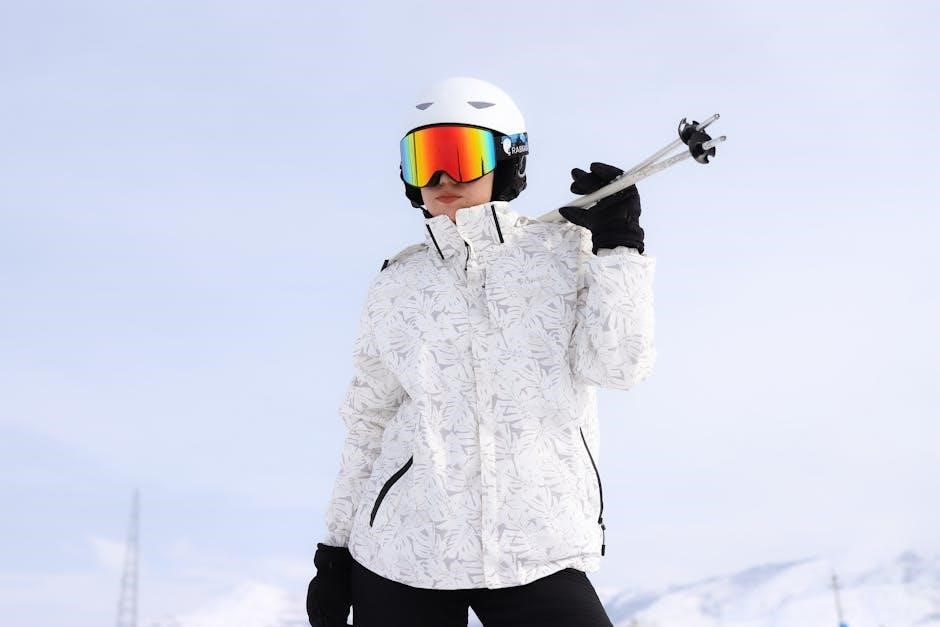
However, for days with less sun, consider rose or amber lenses to enhance contrast and depth perception. Prioritize lenses with a moderate Visible Light Transmission (VLT) to adapt to fluctuating light levels. Ultimately, alpine skiers benefit from a balance between clarity, protection from glare, and the ability to see clearly in diverse conditions.
Popular Goggle Brands and Their Lens Options
Smith Optics excels with ChromaPop™ lens technology, enhancing color and clarity by blocking 8x more infrared light. They offer a wide spectrum of tints, catering to all conditions, often including two lenses with their goggles for versatility.
Oakley’s PRIZM™ technology is renowned for fine-tuning vision by accentuating specific colors, improving contrast and detail. PRIZM lenses are condition-specific, offering optimized views for bright sun, variable light, or low-light scenarios. Dragon Alliance provides a range of options, focusing on performance and style, with lenses designed to maximize visibility and minimize glare, often incorporating Lumalens technology.
Smith Optics Lens Technology
Smith Optics distinguishes itself through its innovative ChromaPop™ lens technology. This technology isn’t merely about tint; it’s about filtering light to enhance clarity and definition. ChromaPop™ lenses block up to 8x more infrared light than standard lenses, resulting in truer color perception and reduced eye fatigue.
Their lenses are available in a broad range of colors, each designed for specific conditions. Many Smith goggles come with two lenses, providing adaptability for varying weather. Furthermore, Smith prioritizes anti-fog technology and impact resistance, ensuring both clear vision and safety on the mountain. This commitment to quality makes Smith a popular choice among skiers.
Oakley PRIZM Lens Technology
Oakley’s PRIZM™ lens technology is a standout in the ski goggle world, engineered to fine-tune visual perception. PRIZM™ lenses aren’t just tinted; they manipulate how the eye sees color, enhancing contrast and revealing terrain details often missed with standard lenses. This results in greater clarity and improved reaction time on the slopes.
Oakley offers various PRIZM™ Snow lens options, each optimized for different light conditions – from bright sun to low visibility. The technology enhances depth perception and reduces eye strain, allowing skiers to navigate challenging terrain with confidence. Combined with Oakley’s anti-fog coating and durable construction, PRIZM™ lenses deliver a premium skiing experience.
Dragon Alliance Lens Options
Dragon Alliance prioritizes quality and performance in its ski goggle lens offerings. They provide a diverse range of colors and technologies designed to optimize vision in varying conditions. Dragon lenses feature Super Anti-Fog™ technology, crucial for maintaining clarity during intense activity.
Options include lenses optimized for bright sunlight, overcast days, and low-light scenarios, mirroring the spectrum found in other leading brands. Dragon also offers tiered lens options, allowing skiers to choose based on their budget and needs. Quality ski goggles are a necessity, providing clarity, protection, and comfort, enhancing the overall experience on the mountain.
Lens Care and Maintenance
Proper care extends the life and performance of your ski goggle lenses. After each use, wipe lenses with a microfiber cloth to remove moisture, dirt, and fingerprints – avoid abrasive materials. Store goggles in a protective bag or case when not in use, shielding them from scratches and impacts.
Regularly inspect lenses for scratches or damage; even minor imperfections can distort vision. Avoid using harsh chemicals or solvents for cleaning, as these can damage lens coatings. Ensure anti-fog coatings remain effective by following manufacturer’s instructions; reapplication may be necessary over time. Consistent maintenance ensures clear vision and maximizes your investment.
Where to Buy Ski Goggles and Lenses
Ski goggles and lenses are widely available through various channels. Specialty ski and snowboard shops offer expert advice and fitting services, ensuring optimal selection. Online retailers, such as REI, Backcountry, and Amazon, provide extensive choices and competitive pricing. Directly from brand websites – Smith Optics, Oakley, and Dragon Alliance – guarantees authenticity and access to the latest technology.
Consider local sporting goods stores for convenient options, though selection may be limited. Comparing prices and reading reviews is crucial before purchasing. Ensure the retailer offers a return policy, allowing for adjustments if the fit or lens isn’t ideal. Investing in quality goggles from a reputable source is paramount for safety and performance.