
Manual handling presents significant workplace hazards, notably within waste and recycling, being the primary cause of injuries leading to extended absences.
Effective risk assessments are crucial for minimizing employee harm, encompassing tasks like lifting, lowering, pushing, and pulling, demanding proactive health interventions and training programs.
Despite advancements in mechanization, stressors from manual material handling persist, highlighting the ongoing need for thorough assessments and nominated assessors per regulations.
What is Manual Handling?
Manual handling, fundamentally, encompasses any activity requiring the exertion of physical force by a person to lift, lower, push, pull, carry, or otherwise move, hold or support a load – or even stabilize it. This definition extends beyond simply lifting heavy objects; it includes a broad spectrum of workplace tasks.
Essentially, if a human operator is actively involved in physically manipulating an object, it falls under the umbrella of manual handling. The waste and recycling sector acutely demonstrates this, where frequent and often awkward movements are commonplace.
It’s important to recognize that even seemingly minor or repetitive actions can contribute to musculoskeletal disorders (MSDs) if not properly assessed and managed. Therefore, understanding the scope of manual handling is the first step towards implementing effective risk control measures and safeguarding employee wellbeing. This proactive approach is vital for compliance and a healthy workforce.
Why are Manual Handling Risk Assessments Important?
Manual handling risk assessments are paramount because they directly address the leading cause of workplace injuries, particularly in high-risk industries like waste and recycling, where staff absences due to manual handling-related issues are significant. These assessments aren’t merely about ticking a box for legal compliance – they are about proactively protecting employee health and wellbeing.
By systematically identifying hazards and evaluating risks, organizations can implement targeted control measures, minimizing the potential for MSDs. Effective training programs, informed by assessment findings, empower employees to perform tasks safely.
Furthermore, a robust assessment process demonstrates a commitment to safety, fostering a positive work culture and reducing associated costs like lost productivity and compensation claims. Ignoring these risks isn’t an option; a proactive approach is essential.

Legal Requirements & Regulations
Compliance with the Manual Handling Operations Regulations 1992 (as amended) is legally mandated, requiring nominated assessors and thorough risk evaluations for all tasks.
The Manual Handling Operations Regulations 1992 (as amended)
These regulations are the cornerstone of manual handling safety in the UK, aiming to reduce the risk of injury from hazardous manual tasks. They place a clear duty on employers to conduct risk assessments, identifying potential harm and implementing control measures.
The regulations don’t prohibit manual handling entirely, but rather require a systematic approach to managing risks. This includes evaluating tasks involving lifting, lowering, pushing, pulling, carrying, and supporting loads – essentially any activity where physical effort is used to move or support something.
Amendments to the 1992 regulations have reinforced the need for a proactive and preventative approach. Employers must demonstrate they’ve taken reasonable steps to protect employees, and this is often evidenced through documented risk assessments and training records. Failure to comply can result in enforcement action and potential legal repercussions, emphasizing the importance of adherence.
Employer Responsibilities

Employers bear the primary responsibility for protecting their employees from manual handling risks. This begins with a thorough understanding of the Manual Handling Operations Regulations 1992 (as amended) and a commitment to compliance.
Key duties include conducting comprehensive risk assessments for any task involving manual handling, identifying hazards, and evaluating the level of risk. Following assessment, employers must implement appropriate control measures to reduce or eliminate those risks, prioritizing engineering solutions where feasible.
Furthermore, employers are obligated to provide adequate information, instruction, and training to employees on safe manual handling techniques. This includes nominating competent individuals to conduct assessments and ensuring ongoing monitoring of the effectiveness of control measures. Documentation of all processes is crucial for demonstrating due diligence and accountability.
Employee Responsibilities
Employees also have crucial responsibilities in ensuring their safety during manual handling tasks. While employers initiate protective measures, active participation from employees is paramount for a successful safety program.
Individuals are obligated to follow the training and instructions provided regarding safe lifting techniques and the use of any provided equipment or aids. Reporting any unsafe situations, potential hazards, or concerns regarding manual handling tasks to their employer is essential.
Moreover, employees must utilize the control measures implemented by the employer, such as lifting aids or adjusted work practices. Cooperation with risk assessment processes and providing feedback on their effectiveness contributes to a safer work environment. Ignoring safe procedures or attempting tasks beyond their capabilities compromises their well-being and the overall safety system.
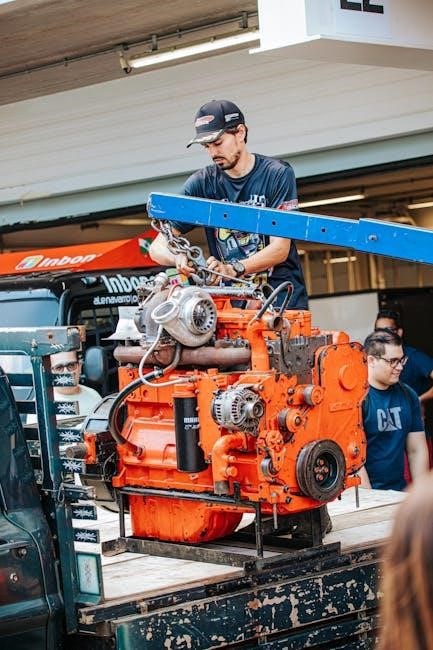
Identifying Manual Handling Risks
Recognizing hazards involves assessing common tasks – lifting, lowering, pushing, pulling – and pinpointing risk factors like load weight, posture, and environmental conditions.
Common Manual Handling Tasks
Numerous workplace activities fall under manual handling, demanding careful scrutiny during risk assessments. These frequently include lifting, lowering, and carrying objects of varying weights and sizes, a prevalent issue particularly within sectors like waste management and logistics.
Pushing and pulling loads, whether on trolleys or pallets, also represent significant risks, as does repetitive movements involved in sorting, stacking, or assembling items. Tasks requiring awkward postures – twisting, bending, or reaching – exacerbate these dangers, increasing strain on the musculoskeletal system;
Furthermore, manual handling extends to team lifting scenarios, where coordination and communication are vital to prevent injuries. Even seemingly simple actions, like unloading deliveries or disposing of waste, can pose risks if not performed correctly, emphasizing the need for comprehensive training and hazard identification.
Risk Factors to Consider
A thorough manual handling risk assessment necessitates evaluating several key factors. The weight of the load is paramount; heavier items inherently pose a greater risk of injury. Equally important is the distance and frequency of carrying – prolonged or repeated movements amplify strain.
Postural issues, such as twisting, bending, and awkward reaching, significantly contribute to musculoskeletal disorders. Environmental factors also play a crucial role; slippery floors, uneven surfaces, or inadequate lighting increase the likelihood of accidents.
Furthermore, the individual’s capabilities, including their physical strength and training, must be considered. The nature of the load itself – its shape, size, and grip – impacts handling difficulty. Assessing these interconnected factors provides a holistic understanding of potential hazards and informs effective control measures.
Weight of the Load
The weight of an object is a primary determinant in manual handling risk. Heavier loads exponentially increase the strain on the body, particularly the back, shoulders, and arms. Assessments must consider not only the absolute weight but also how it’s distributed and whether it’s awkwardly shaped, making it harder to control.
Lifting guidelines exist to indicate safe weight limits, varying by gender and individual capability, but these are just starting points. Factors like carrying distance, frequency, and the presence of other risk factors modify acceptable limits. Ignoring weight considerations is a leading cause of manual handling injuries.
In the waste and recycling sector, for example, loads are often unpredictable and heavy, demanding rigorous assessment and control measures to protect workers from harm.
Distance & Frequency of Carrying
Carrying distances and how often a load is moved significantly impact risk levels. Even relatively light loads become hazardous when carried over long distances or repeatedly throughout a shift. Increased frequency leads to cumulative strain, accelerating fatigue and raising the likelihood of injury;
Assessments should meticulously map out carrying routes, noting any obstacles or uneven surfaces. The number of lifts, twists, and reaches per hour must be quantified to understand the overall physical demand. Minimizing both distance and frequency is paramount in reducing risk.
In logistics and warehousing, frequent lifting and transport of goods over considerable distances are commonplace, necessitating careful planning and potentially, the implementation of mechanical aids.
Postural Issues & Twisting

Poor posture during manual handling tasks dramatically elevates injury risk. Excessive twisting, bending, and reaching place undue stress on the spine and supporting muscles. Awkward postures compress joints and increase the strain on ligaments, making individuals vulnerable to sprains and strains.
Assessments must scrutinize body positioning throughout the lifting and carrying process. Observe whether workers are bending at the waist instead of using their legs, or if they’re twisting while lifting a load. These movements should be identified as high-risk areas.
In industries like waste management, where space is often confined, twisting is frequently unavoidable; therefore, robust training and potentially, redesigned work processes are vital to mitigate these postural hazards.
Environmental Factors (e.g., slippery floors)
Environmental conditions significantly impact manual handling safety. Slippery floors, uneven surfaces, and inadequate lighting dramatically increase the risk of slips, trips, and falls while carrying loads. These incidents can lead to severe injuries, not only from the fall itself but also from the impact of dropping the load.
Assessments should meticulously evaluate floor surfaces for potential hazards like spills, wetness, or ice. Poor housekeeping practices contribute significantly to these risks. Insufficient lighting reduces visibility, making it harder to identify obstacles and maintain balance.
In industries such as warehousing and recycling, where floors are frequently exposed to liquids and debris, regular cleaning and the use of appropriate footwear are paramount. Addressing these environmental factors is a crucial component of a comprehensive risk assessment.

Conducting a Manual Handling Risk Assessment
Assessments require identifying hazards, evaluating associated risks, and then implementing effective control measures to safeguard employees from potential injuries during tasks.
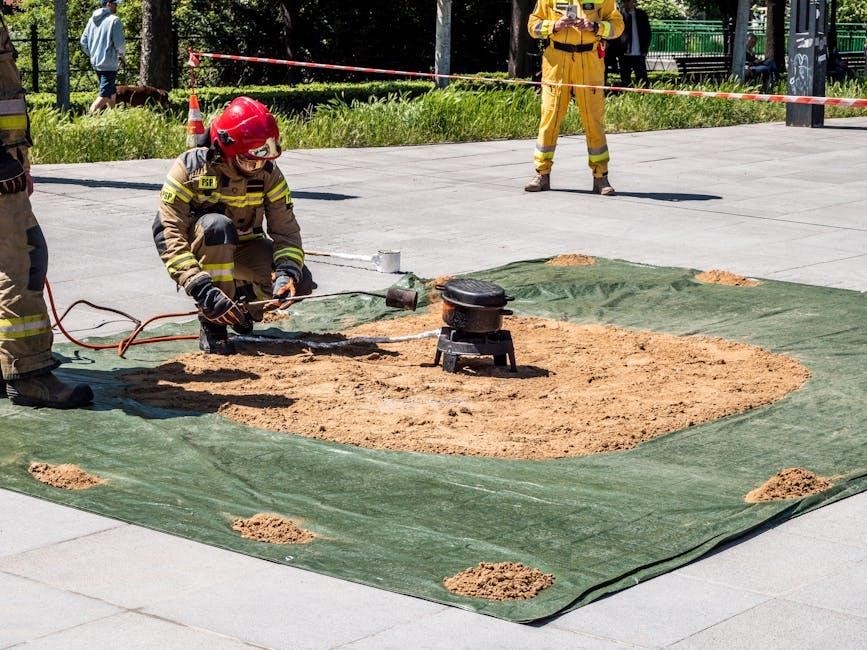
Step 1: Identify the Hazards
The initial step involves a meticulous examination of all work activities to pinpoint potential manual handling hazards. This includes observing employees performing tasks, reviewing incident reports, and consulting with workers about difficulties they encounter.
Specifically, look for tasks involving lifting, lowering, pushing, pulling, carrying, twisting, bending, or repetitive movements. Consider the weight of loads, the distances carried, the frequency of handling, and any awkward postures required.
Environmental factors are also critical; assess floor surfaces for slipperiness, lighting conditions, and available space. In industries like waste and recycling, identify risks associated with uneven terrain or handling awkwardly shaped items.
Document all identified hazards, noting the specific tasks, the employees involved, and the potential for injury. This detailed record forms the foundation for subsequent risk assessment and control measure implementation.
Step 2: Assess the Risks
Following hazard identification, a thorough risk assessment determines the likelihood and severity of potential harm. Evaluate each identified hazard, considering factors like the weight of the load, the frequency and duration of the task, and the physical demands placed on the worker.
For example, frequent lifting of heavy waste materials poses a higher risk than occasional handling of lighter objects. Assess postural stresses, considering twisting, bending, and reaching. Evaluate environmental factors, such as slippery floors, which can exacerbate risks.
Utilize a risk matrix to categorize risks as low, medium, or high, based on the combination of likelihood and severity. Document the assessment process, including the rationale behind each risk rating. This structured approach ensures consistent and defensible evaluations.
Prioritize risks for control measures, focusing on those with the highest potential for causing significant harm, particularly in high-injury industries like waste management.
Step 3: Implement Control Measures
After risk assessment, implement a hierarchy of control measures to eliminate or reduce identified hazards. Prioritize engineering controls, such as providing lifting aids or modifying workstations to minimize reaching and bending, addressing the source of the risk.
Where engineering controls are insufficient, implement administrative controls like training programs – essential for minimizing risks – and job rotation to reduce repetitive strain. Ensure employees understand safe lifting techniques and proper body mechanics.
Personal Protective Equipment (PPE), while the least effective control, may be necessary as a supplementary measure. Regularly review and update control measures to ensure their continued effectiveness, particularly with changes in tasks or equipment.
Document all implemented controls and monitor their impact through ongoing observation and feedback from employees, fostering a proactive safety culture.
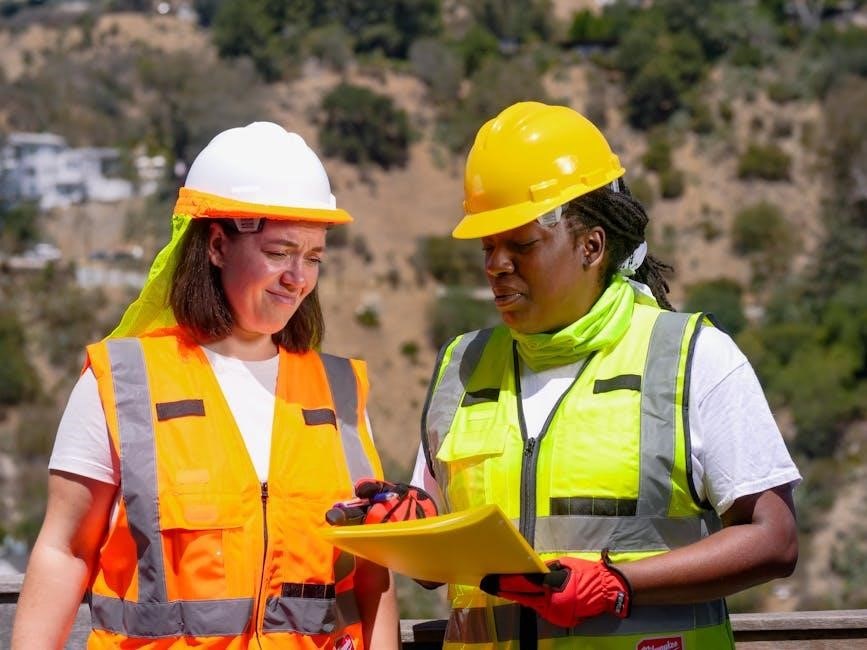
Control Measures & Risk Reduction
Prioritize engineering solutions like lifting aids, alongside administrative controls such as training and job rotation, to effectively minimize manual handling stressors and risks.
Engineering Controls (e.g., lifting aids)
Engineering controls represent the most effective approach to reducing manual handling risks, fundamentally altering the task to eliminate or minimize hazards at the source. These controls focus on modifying the workplace or equipment, rather than relying on employee behavior changes.
Lifting aids, such as hoists, cranes, and pallet trucks, are prime examples, directly reducing the physical demands placed on workers. Automated systems and conveyors further minimize the need for manual intervention in material movement. Adjustable work surfaces and platforms ensure employees can work at optimal heights, reducing awkward postures and strain.
Implementing these solutions requires careful consideration of the specific tasks and environment. Proper installation, maintenance, and training on the correct use of equipment are vital for maximizing their effectiveness and preventing new hazards. Investing in engineering controls demonstrates a commitment to employee wellbeing and long-term risk reduction.
Administrative Controls (e.g., training, job rotation)
Administrative controls complement engineering solutions by focusing on how work is organized and performed. While not as impactful as eliminating hazards directly, they significantly reduce risk when implemented effectively. Comprehensive manual handling training is paramount, educating employees on proper lifting techniques, hazard recognition, and risk assessment procedures.
Job rotation strategically varies tasks throughout the day or week, minimizing prolonged exposure to physically demanding activities and reducing fatigue. Implementing clear standard operating procedures (SOPs) for manual handling tasks ensures consistency and adherence to safe practices. Regular breaks and workload management are also crucial administrative controls.
Nominated Manual Handling Assessors, as required by regulations, play a key role in identifying risks and overseeing the implementation of these controls. Continuous evaluation and improvement of administrative procedures are essential for maintaining a safe working environment.
Personal Protective Equipment (PPE)
Personal Protective Equipment (PPE) serves as the last line of defense in mitigating manual handling risks, employed when engineering and administrative controls are insufficient to eliminate hazards completely. While PPE doesn’t remove the risk, it minimizes the severity of potential injuries.
Appropriate PPE for manual handling tasks includes sturdy, closed-toe footwear with good grip to prevent slips and falls, particularly vital in environments like waste and recycling. Gloves are essential for protecting hands from abrasions, cuts, and contamination when handling materials. Back support belts, though controversial, may be considered in specific, assessed situations.
However, it’s crucial to remember that PPE should never be relied upon as the primary control measure. Proper training on the correct use, maintenance, and limitations of PPE is vital. Regular inspection and replacement of damaged or worn-out equipment are also essential for ensuring its effectiveness.
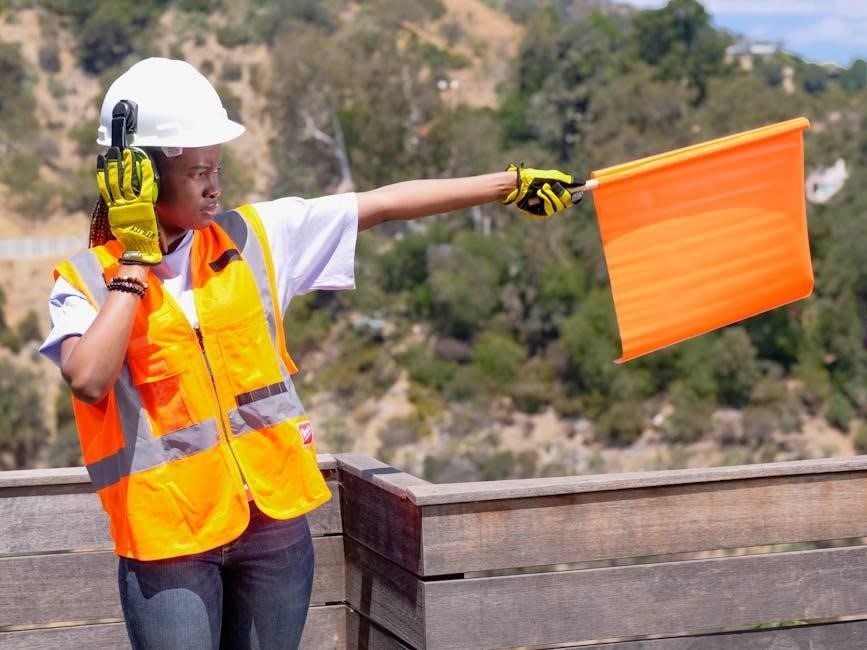
Manual Handling in Specific Industries
Waste and recycling face the highest injury rates from manual handling, while warehouses and logistics demand careful assessment of lifting and carrying processes.
Waste and Recycling Industry Examples
The waste and recycling sector presents uniquely high manual handling risks, consistently identified as the single largest cause of workplace injuries resulting in three or more days of absence.
Risk assessment examples within this industry frequently involve analyzing tasks such as sorting materials on conveyor belts, lifting and emptying bins of varying weights and sizes, and maneuvering bulky refuse containers.
Specific hazards include awkward postures adopted during bin lifting, repetitive strain from sorting, and exposure to uneven surfaces or slippery conditions increasing the risk of slips, trips, and falls.
Effective control measures necessitate implementing mechanical lifting aids where feasible, providing comprehensive training on safe lifting techniques, and establishing clear protocols for handling hazardous waste materials.
Regular assessments must also consider the impact of environmental factors like weather conditions and the potential for musculoskeletal disorders (MSDs) among workers engaged in physically demanding roles.
Warehouse and Logistics Examples
Warehouses and logistics operations involve substantial manual handling, presenting numerous risk assessment opportunities to safeguard employee wellbeing. Common tasks requiring assessment include loading and unloading vehicles, order picking, packing, and moving pallets using manual pallet trucks.
Risk assessment examples frequently highlight hazards like repetitive lifting of boxes, prolonged bending and stretching during picking, and the potential for strain when maneuvering heavy or awkwardly shaped items.
Specific concerns arise from the frequency and distance of carrying, the height at which items are lifted or placed, and the presence of obstructions or uneven flooring within the warehouse environment.
Control measures should prioritize utilizing mechanical handling equipment like forklifts and conveyors, implementing designated lifting zones, and providing training on proper lifting techniques and safe pallet truck operation.
Regular reviews are vital to address evolving operational needs and ensure continued effectiveness of implemented controls, minimizing the risk of musculoskeletal disorders.