Spain’s royals historically guided the nation‚ navigating transitions and representing the Kingdom – Reino de España – both domestically and within Europe.
Historical Context of Spanish Monarchy
Spain’s monarchy boasts a rich‚ complex history‚ evolving from the Visigothic kingdom through centuries of dynastic shifts and imperial expansion. Initially‚ royals guided the Iberian Peninsula’s diverse cultures‚ later overseeing a global empire. The Kingdom of Spain‚ Reino de España‚ emerged as a unified entity‚ with monarchs wielding significant power.
Over time‚ constitutional changes limited royal authority‚ yet the Crown remained a symbol of national unity. From navigating European alliances to managing colonial relationships‚ Spanish royals consistently shaped the nation’s trajectory‚ influencing its political‚ social‚ and economic landscape.
The Role of the Crown in Spanish Society
Spain’s Crown embodies national unity‚ serving as a focal point for cultural identity and tradition. While constitutional powers are defined‚ the monarchy’s influence extends beyond formal governance. Royals guide through symbolic leadership‚ promoting Spanish heritage‚ language‚ and arts both domestically and internationally.
They represent Spain in global forums‚ fostering relationships with Europe and Latin America. The Crown’s role also involves supporting social initiatives‚ advocating for education‚ and bolstering tourism‚ contributing significantly to the nation’s image and prosperity.
Key Royal Figures and Their Influence
Spanish royal figures—like Felipe VI and Juan Carlos I—have shaped the nation’s trajectory‚ guiding through political shifts and representing Spain globally.
King Felipe VI: Modern Leadership
King Felipe VI embodies modern leadership‚ steering Spain with a focus on transparency and accountability. Ascending to the throne in 2014‚ he’s navigated complex political landscapes‚ including regional separatist movements. His reign emphasizes ethical conduct‚ responding to past controversies within the Royal Household.
He actively promotes Spanish businesses internationally and supports tourism‚ vital to the nation’s economy. Felipe VI leverages platforms like Instagram to connect with citizens‚ managing the Royal Family’s public image in the digital age. He represents Spain’s place within the European Union and fosters ties with Latin America.
Queen Letizia: Public Image and Advocacy
Queen Letizia significantly shapes the Spanish Royal Family’s public image‚ utilizing modern communication methods‚ including Instagram‚ to connect with citizens. Her advocacy focuses on crucial social issues like education and scientific research‚ aligning with national priorities. She skillfully navigates the digital age‚ responding to online criticism while maintaining a dignified presence.
Letizia champions Spanish culture and heritage‚ bolstering national identity. Her influence extends to promoting Spanish language and arts internationally. She embodies a contemporary royal role‚ balancing tradition with a commitment to addressing social inequality within Spain and beyond.
Former King Juan Carlos I: Transition to Democracy
King Juan Carlos I played a pivotal role during Spain’s transition to democracy (1975-1982)‚ following the end of Franco’s regime. He courageously intervened to prevent coup attempts‚ safeguarding the nascent democratic institutions. His leadership was instrumental in establishing a constitutional monarchy‚ as defined by the Spanish Constitution.
Juan Carlos I guided Spain through complex political challenges‚ including navigating regionalism and separatist movements. He symbolized national unity and stability during a period of profound change‚ earning respect both domestically and internationally for his commitment to democratic principles.

Guiding Spain Through Political Transitions
Spain’s monarchy skillfully navigated pivotal shifts‚ notably the transition to democracy post-Franco‚ preventing coup attempts and addressing regional tensions with foresight.
The Spanish Transition to Democracy (1975-1982)
Following Franco’s death in 1975‚ the Spanish Royal Family‚ particularly King Juan Carlos I‚ played a crucial role in steering Spain towards democracy. This period‚ spanning until 1982‚ demanded delicate navigation of deeply entrenched authoritarian structures. The Crown actively fostered political reforms‚ supporting the drafting of a new constitution and facilitating peaceful transitions of power.
Royal influence was instrumental in dismantling the old regime while simultaneously averting potential backlash from hardline factions. This involved strategic dialogue with various political groups and a commitment to establishing a parliamentary system‚ ultimately securing Spain’s democratic future.
Royal Involvement in Preventing Coup Attempts
During the Spanish Transition‚ King Juan Carlos I demonstrated decisive leadership in thwarting coup attempts aimed at derailing the nascent democracy. Most notably‚ the 23-F coup in 1981 saw the King intervene directly via televised address‚ firmly denouncing the military insurrection and reaffirming his commitment to the constitutional order.
This courageous act was pivotal in rallying public support for democracy and neutralizing the coup plotters. The Royal Family’s unwavering stance solidified the monarchy’s role as a guarantor of stability and democratic principles in Spain.
Navigating Regionalism and Separatist Movements
The Spanish monarchy has consistently navigated the complex landscape of regionalism and separatist movements‚ particularly in Catalonia and the Basque Country. Royal engagements often emphasize the shared history and cultural heritage of all Spain’s regions‚ promoting a sense of national unity.
While remaining politically neutral‚ the Crown has advocated for dialogue and constitutional solutions to address regional aspirations‚ seeking to preserve both national cohesion and regional identities within the framework of a unified Spain.
Economic Guidance and International Relations
Spain’s royals actively promote Spanish businesses internationally and bolster tourism‚ strengthening ties—especially with Latin America—to foster economic growth and global influence.
Promoting Spanish Businesses Abroad
The Spanish Royal Family plays a crucial role in championing Spanish enterprises on the international stage. Through state visits and participation in trade events‚ they actively showcase Spanish innovation and products. This support extends to facilitating connections between Spanish companies and potential foreign partners‚ fostering investment and expanding market reach. Their presence lends prestige and credibility‚ opening doors for businesses seeking to establish a global footprint. This proactive engagement directly contributes to Spain’s economic prosperity and strengthens its position within the global marketplace‚ particularly within the European Union and its relationships with former colonies.
Royal Support for Tourism
The Spanish Royal Family actively promotes tourism‚ a vital sector for the Spanish economy. By highlighting Spain’s rich cultural heritage‚ diverse landscapes‚ and vibrant cities‚ they attract visitors from around the globe. Their involvement in tourism campaigns and endorsements elevates Spain’s profile as a premier travel destination. This support extends to showcasing regional attractions‚ fostering sustainable tourism practices‚ and bolstering the industry’s resilience. Their presence enhances Spain’s image‚ encouraging exploration and contributing significantly to economic growth and job creation throughout the Kingdom.
Strengthening Ties with Latin America
The Spanish Royal Family plays a crucial role in fostering strong relationships with Latin American nations‚ rooted in shared history and language. Royal visits and diplomatic engagements reinforce cultural and economic bonds. They champion collaborative initiatives‚ promoting trade‚ investment‚ and educational exchanges. This commitment acknowledges the deep connections between Spain and its former colonies‚ fostering mutual respect and understanding. These efforts aim to build a stronger‚ more unified community across the Hispanic world‚ solidifying Spain’s influence and cooperation within the region.
Cultural Diplomacy and National Identity
Spain’s royals champion its rich heritage‚ language‚ and arts‚ embodying national identity on the global stage and preserving cultural traditions.
Preservation of Spanish Heritage
The Spanish Royal Family actively safeguards the nation’s extensive historical and artistic legacy. This commitment extends to supporting institutions dedicated to conserving monuments‚ artworks‚ and traditions unique to Spain. They champion the importance of España’s cultural identity‚ recognizing it as a cornerstone of national pride and a vital link to past generations.
Royal patronage helps fund restoration projects and promotes awareness of Spain’s diverse regional cultures. This dedication ensures that future generations can appreciate and learn from the country’s rich heritage‚ fostering a sense of continuity and belonging. The family embodies and promotes this cultural wealth.
Promotion of Spanish Language and Arts
The Spanish Royal Family champions the global reach of the Spanish language – español – and its vibrant artistic expressions. Recognizing the language as a unifying force and a key element of national identity‚ they support initiatives promoting its study and use internationally. This includes backing literary events‚ artistic exchanges‚ and cultural programs showcasing Spain’s creative talent.
Royal involvement elevates the profile of Spanish arts‚ from traditional flamenco to contemporary cinema. They actively engage with artists and cultural institutions‚ fostering innovation and ensuring the continued flourishing of Spain’s artistic landscape.
The Royal Family as Symbols of Spanish Culture
The Spanish Royal Family embodies the nation’s history‚ traditions‚ and values‚ serving as potent symbols of Spanish culture. Their public appearances‚ engagements‚ and adherence to protocol reinforce a sense of national identity and continuity. They represent Spain on the international stage‚ showcasing its rich heritage and contemporary achievements.
Through their patronage of arts‚ support for historical preservation‚ and engagement with regional traditions‚ they actively cultivate and promote Spain’s cultural legacy. This symbolic role is crucial in fostering national pride and cohesion.
The Royal Family and Social Issues
Spain’s royals champion education‚ scientific research‚ and address social inequalities‚ guiding national focus towards progress and well-being for all citizens.
Advocacy for Education
Spanish royals actively promote educational initiatives nationwide‚ recognizing learning as fundamental for societal advancement. Their advocacy extends to supporting students‚ teachers‚ and institutions‚ fostering a culture of knowledge. This commitment aligns with national goals for improved literacy and skill development.
Royal involvement often highlights the importance of accessible education for all‚ regardless of socioeconomic background. They champion programs designed to bridge educational gaps and empower future generations. This dedication underscores the monarchy’s belief in education’s transformative power‚ contributing to a more informed and prosperous Spain.
Support for Scientific Research
Spanish royals demonstrate a strong commitment to bolstering scientific research across diverse fields. Recognizing innovation’s crucial role‚ they actively support institutions and researchers driving advancements. This patronage includes attending scientific events‚ awarding prizes‚ and championing funding initiatives.
Their involvement aims to position Spain as a global leader in science and technology. By highlighting research achievements‚ the monarchy encourages further exploration and discovery. This dedication reflects a belief in science’s power to address societal challenges and improve quality of life for all citizens.
Addressing Social Inequality
Spanish royals actively engage in initiatives designed to mitigate social inequality throughout the nation. Recognizing disparities in access to opportunities‚ they lend their support to organizations focused on vulnerable populations. This includes advocating for inclusive education‚ promoting employment opportunities‚ and raising awareness about social challenges.
Their involvement aims to foster a more equitable society where all citizens can thrive. By championing social causes‚ the monarchy encourages collective action and inspires positive change‚ reflecting a commitment to social justice and national well-being.
Challenges and Controversies
Spain’s monarchy faced scandals and public scrutiny‚ impacting perception and sparking debates about its future role amidst evolving social norms and expectations.
Scandals Involving the Royal Family
Throughout recent history‚ the Spanish Royal Family encountered several controversies that tested public trust and raised questions about accountability. These incidents‚ often widely reported‚ involved financial dealings and personal conduct‚ prompting intense media coverage and public debate. The scrutiny extended to former King Juan Carlos I‚ impacting the monarchy’s image.
These scandals necessitated careful management of public perception‚ particularly in the digital age with platforms like Instagram amplifying both praise and criticism. Addressing these challenges became crucial for maintaining the relevance and stability of the Crown in the 21st century.
Public Perception of the Monarchy
The Spanish monarchy’s public image is a complex interplay of tradition‚ national identity‚ and contemporary expectations. While historically revered‚ recent scandals and evolving social norms have prompted debate regarding its continued relevance. Public opinion fluctuates‚ influenced by media portrayals and the Royal Family’s actions.
Social media platforms‚ like Instagram‚ play a significant role in shaping this perception‚ offering both opportunities for engagement and avenues for criticism. Maintaining public support requires adapting to changing values and demonstrating transparency.
Debates on the Future of the Spanish Monarchy
Ongoing discussions center on the monarchy’s long-term viability in a modern‚ democratic society. Arguments for maintaining the crown emphasize its historical significance and role in national unity‚ while critics question its cost and inherent privilege. Adapting to changing social norms and ensuring financial transparency are key challenges.
The debate extends to succession laws and the potential for a more streamlined‚ accountable royal household. Public opinion‚ heavily influenced by media coverage and perceived scandals‚ will ultimately shape the monarchy’s future.
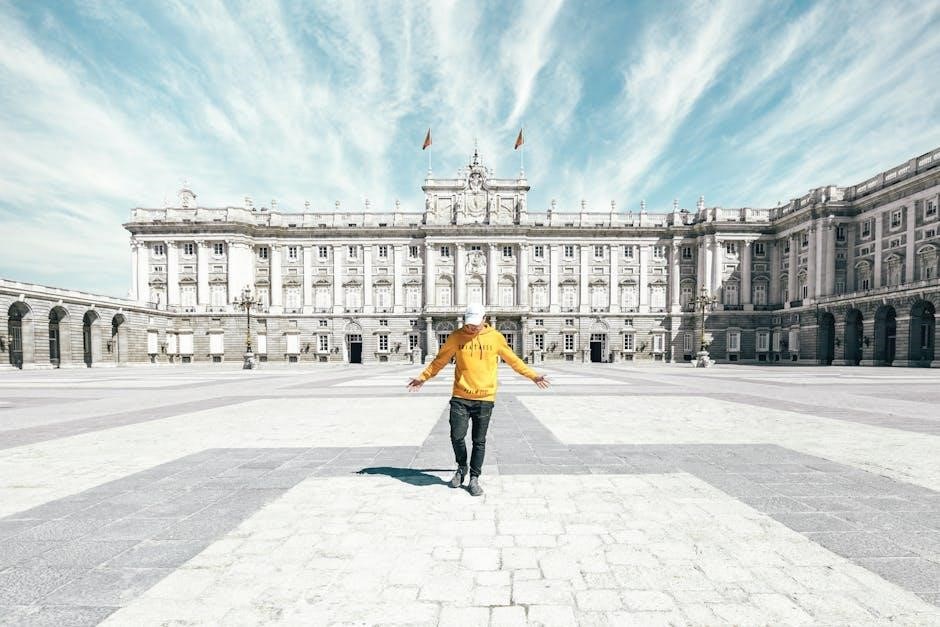
The Royal Household and its Functions
The royal household manages the Spanish monarchy’s administrative‚ financial‚ and protocol duties‚ ensuring efficient support for royal engagements and representation.
Structure of the Royal Household
The Spanish Royal Household is meticulously structured to support the King and Queen in their constitutional duties. It comprises various units‚ including the Secretariat‚ responsible for coordinating royal activities and communications. Financial administration falls under a dedicated department‚ ensuring transparency and accountability – crucial given public scrutiny. Protocol and events management teams handle official engagements‚ maintaining tradition and etiquette.
Furthermore‚ specialized units focus on international relations and cultural affairs‚ bolstering Spain’s image abroad. The Household also includes a legal counsel and a security detail‚ safeguarding the royal family. This complex organization reflects the monarchy’s multifaceted role in modern Spain.
Financial Transparency and Accountability
Maintaining financial transparency is paramount for the Spanish Royal Household‚ especially following past controversies. The Crown’s budget is subject to parliamentary approval and public audit‚ aiming to demonstrate responsible spending. Detailed annual reports are published‚ outlining income and expenditures. This commitment to accountability seeks to rebuild public trust and address concerns regarding royal finances.
However‚ debates persist regarding the level of disclosure and the sources of funding. Increased scrutiny and stricter regulations are continually implemented to ensure the monarchy operates with integrity and openness.
Royal Protocol and Etiquette
Spanish Royal protocol is steeped in tradition‚ reflecting centuries of history and the monarchy’s role as a symbol of national identity. Strict guidelines govern everything from formal audiences and state visits to attire and public appearances. These protocols emphasize respect‚ dignity‚ and the representation of Spain on the world stage.
Adherence to etiquette demonstrates the Crown’s commitment to upholding cultural values and maintaining a distinguished public image. These customs are carefully observed and contribute to the solemnity of royal occasions.
The Spanish Constitution and the Monarchy
Spain’s 1978 Constitution defines the King’s role as Head of State‚ symbolizing national unity and arbitrating political functioning within a parliamentary system.
Constitutional Role of the King
The Spanish Constitution of 1978 meticulously outlines the King’s functions‚ primarily symbolic yet crucially important for national stability. He embodies and personifies Spain‚ acting as a neutral arbiter and ensuring the proper operation of institutions.
While possessing no executive power‚ the King sanctions laws passed by the Cortes Generales (parliament) and appoints the Prime Minister following parliamentary elections. He also serves as the Supreme Commander of the Armed Forces and represents Spain in international affairs.
Crucially‚ the King’s actions must always be countersigned by a minister‚ ensuring governmental responsibility. This constitutional framework balances tradition with modern democratic principles‚ defining a monarchical role adapted to the 21st century.
Succession Laws
Spain’s succession laws‚ historically favoring male primogeniture‚ underwent a significant amendment in 2005. This change prioritized direct lineage‚ eliminating male preference‚ meaning the eldest child‚ regardless of gender‚ inherits the throne.
This modernization aimed to align the monarchy with principles of equality. The current heir presumptive is Princess Leonor‚ daughter of King Felipe VI. Succession is governed by the Constitution‚ ensuring a clear and legally defined path for the transfer of power.
Any alterations to the succession require constitutional amendment‚ highlighting the stability and enduring nature of these fundamental laws governing the Spanish Crown.
Limits to Royal Power
Spain’s 1978 Constitution firmly establishes limits to royal power‚ defining the King’s role as a symbolic head of state. While the monarch embodies national unity‚ actual political authority resides with elected officials. The King sanctions and promulgates laws passed by Parliament‚ but lacks legislative initiative.
Royal acts require countersignature by a minister‚ ensuring governmental responsibility. The monarchy’s neutrality is paramount; the King refrains from partisan politics. This framework balances tradition with democratic principles‚ safeguarding against arbitrary rule and upholding constitutional governance.
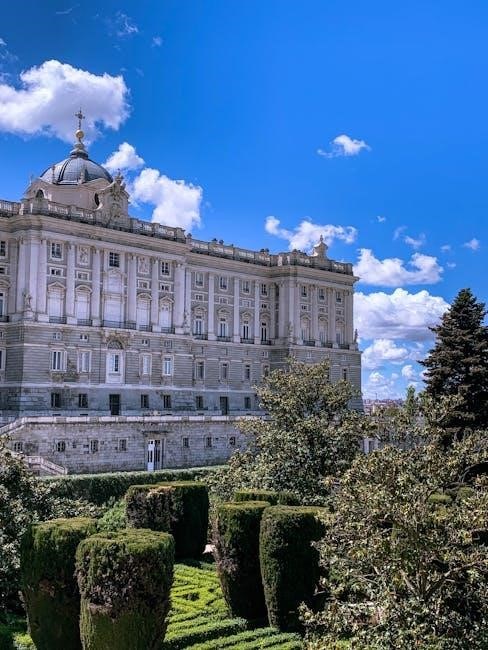
Spain’s Place in Europe and the World
Spain’s monarchy fosters international relations‚ particularly within the European Union – of which it is a member – and strengthens ties with Latin America.
The Monarchy’s Role in EU Relations
Spain’s King embodies the nation’s presence within the European Union‚ a collective of 28 member states including Austria‚ Germany‚ and Italy. The Crown actively supports policies fostering collaboration and integration across the continent. Royal engagements frequently highlight the benefits of EU membership for Spanish citizens and businesses.
Furthermore‚ the monarchy facilitates diplomatic discussions with EU leaders‚ reinforcing Spain’s position and advocating for its interests. This role is crucial in navigating complex negotiations and ensuring alignment with broader European goals‚ contributing to stability and prosperity for all involved.
International Representation of Spain
Spain’s Royal Family serves as prominent ambassadors‚ representing the nation’s interests globally‚ particularly within its historical sphere of influence – Latin America. Their diplomatic visits strengthen bilateral ties and promote cultural exchange‚ fostering mutual understanding and cooperation. The monarchy embodies Spain’s commitment to international partnerships.
Representing the Reino de España‚ they engage with world leaders‚ advocating for Spanish businesses and projecting a positive image of the country. This role is vital in navigating complex geopolitical landscapes and securing Spain’s place on the world stage.
Spain’s Relationship with Former Colonies
Spain’s Royal Family actively cultivates strong relationships with nations in Latin America‚ acknowledging shared linguistic and cultural heritage. These ties‚ rooted in a colonial past‚ are now fostered through diplomatic visits and collaborative initiatives. The monarchy emphasizes mutual respect and understanding‚ moving beyond historical complexities.
Royal engagements promote economic partnerships and cultural exchange‚ strengthening bonds with former colonies. This proactive approach reinforces Spain’s role as a bridge between Europe and Latin America‚ fostering cooperation and shared progress.

The Impact of Social Media on the Royal Family
Spain’s royals utilize platforms like Instagram to manage their public image‚ responding to criticism and adapting to the digital age for broader guidance.
Royal Presence on Platforms like Instagram
Spain’s Royal Family increasingly leverages Instagram‚ initially an iOS platform‚ for direct engagement. This shift reflects a modern approach to national guidance‚ mirroring how individuals share moments quickly and enjoyably. The platform allows for controlled narrative dissemination‚ countering potential misinformation and fostering a closer connection with citizens.
This digital presence isn’t merely about sharing images; it’s a strategic tool for shaping public perception. Managing this image requires careful consideration‚ especially when addressing online criticism. The Royal Household understands the power of visual storytelling in the 21st century‚ utilizing Instagram to project a contemporary and accessible image of the monarchy.
Managing Public Image in the Digital Age
Spain’s Royal Family faces unique challenges in the digital realm‚ requiring proactive image management. The rapid spread of information‚ coupled with platforms like Instagram‚ demands a nuanced approach. Addressing criticism online is paramount‚ necessitating swift and considered responses to maintain public trust.
This involves navigating potential scandals and public perception shifts. The Household must balance tradition with modernity‚ ensuring the monarchy remains relevant. Careful attention to detail – even formatting of academic papers – is crucial‚ reflecting a commitment to transparency and accountability in the digital age.
Responding to Criticism Online
Spain’s Royal Family must strategically address online criticism‚ acknowledging public sentiment while upholding the dignity of the Crown. The digital age amplifies scrutiny‚ demanding swift and thoughtful responses to misinformation. Managing public image requires navigating complex narratives and potential scandals.
Proactive engagement‚ similar to managing academic paper formatting‚ demonstrates attention to detail and respect for public discourse. Transparency and accountability are vital‚ mirroring the Kingdom’s commitment to its citizens within Europe and beyond.
Looking Ahead: The Future of the Spanish Monarchy
Spain’s royals must adapt to evolving social norms‚ maintaining relevance in the 21st century while ensuring long-term stability for the Reino de España.
Adapting to Changing Social Norms
Spain’s monarchy faces the challenge of modernizing while upholding tradition. Public perception‚ influenced by social media and increased scrutiny‚ demands transparency and responsiveness. The Reino de España requires its royals to connect with a diverse population‚ acknowledging evolving values.
This includes addressing concerns regarding financial accountability and demonstrating a commitment to social issues like education and inequality. Successfully navigating these shifts is crucial for maintaining relevance and securing the monarchy’s future. The royal household must embrace digital platforms‚ like Instagram‚ to manage their public image effectively and engage with citizens directly.
Maintaining Relevance in the 21st Century
Spain’s royal family must actively demonstrate its value to contemporary society. This involves embracing technological advancements‚ particularly social media platforms like Instagram‚ to connect with citizens and manage their public image. Promoting Spain’s cultural heritage and strengthening ties with Latin America remain vital roles.
Furthermore‚ advocating for education‚ scientific research‚ and addressing social inequalities are essential for demonstrating a commitment to national progress. Adapting to changing social norms while upholding constitutional duties is paramount for ensuring the long-term stability of the crown within the Reino de España.
Ensuring the Long-Term Stability of the Crown
To secure its future‚ the Spanish monarchy must prioritize transparency and accountability within the royal household‚ addressing past scandals and fostering public trust. Upholding the constitutional role of the King‚ while navigating regionalism and separatist movements‚ is crucial.
Successfully adapting to evolving social norms and demonstrating relevance in the 21st century‚ alongside proactive engagement with digital platforms‚ will solidify the crown’s position as a symbol of Spain – España – and the Reino de España for generations to come.