Leopard Gecko Care Sheet: A Comprehensive Guide
Discover essential leopard gecko care! This guide details habitat setup, diet, heating, and health. Downloadable PDF resources offer in-depth information for responsible gecko ownership, ensuring a thriving pet.
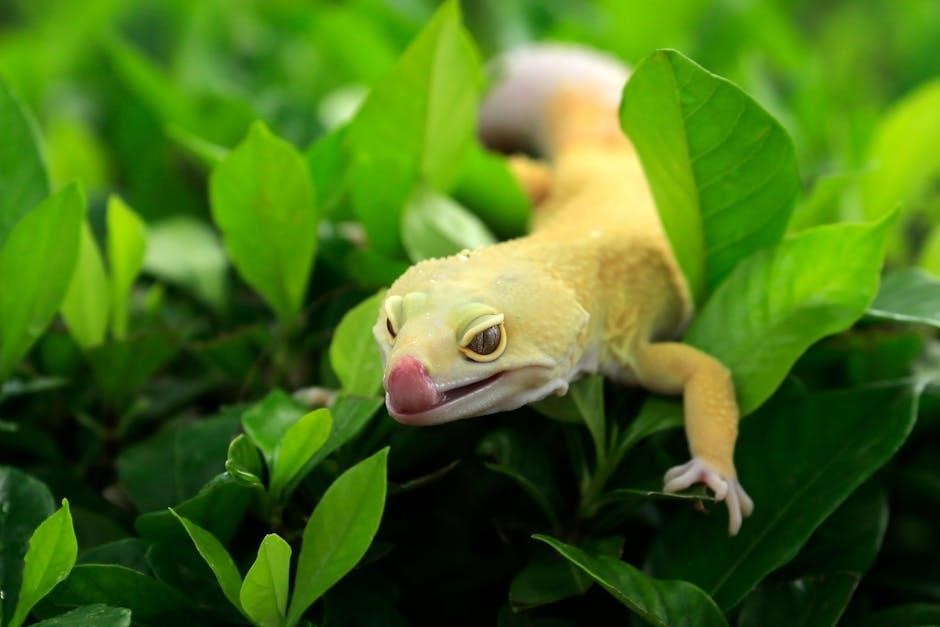
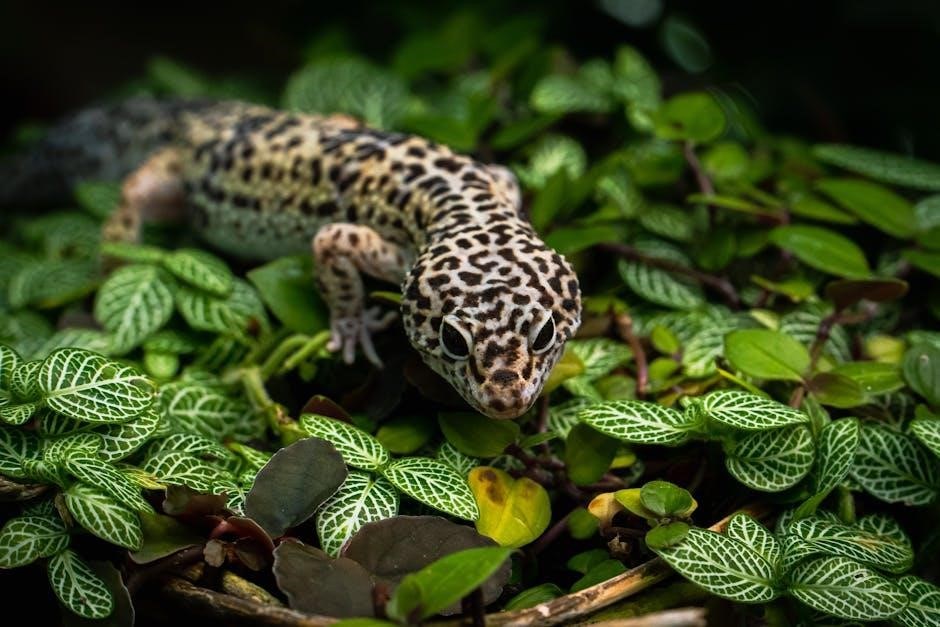
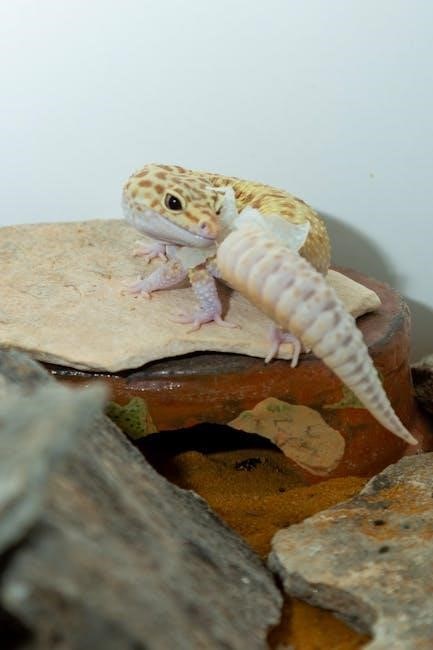
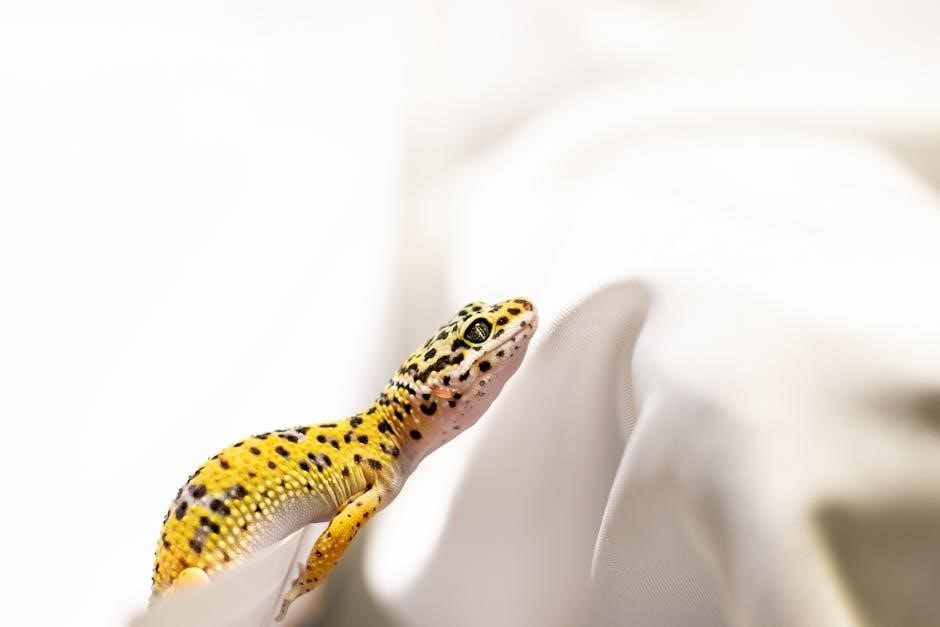
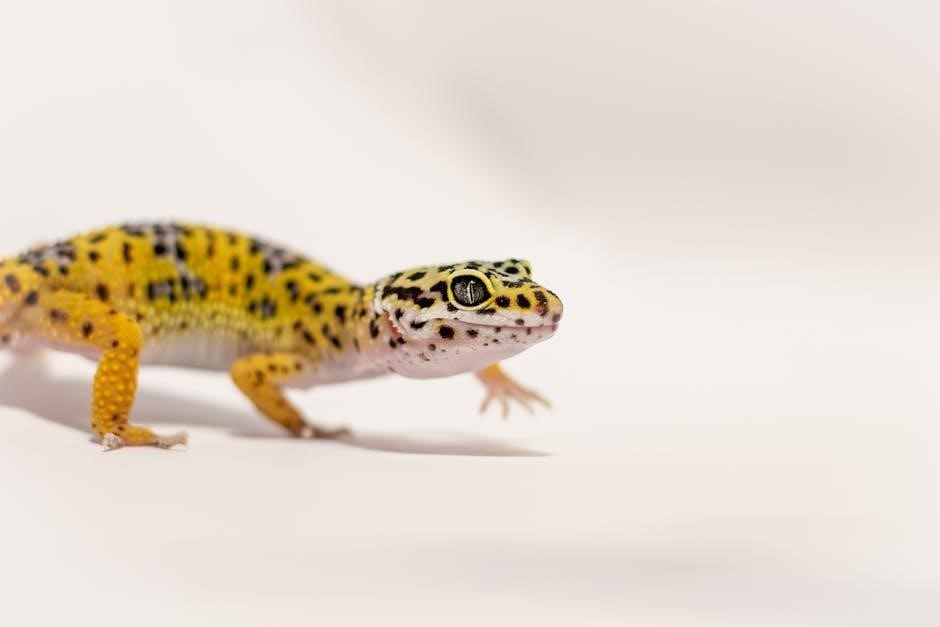
Leopard geckos (Eublepharis macularius) are captivating reptiles, renowned for their docile nature and striking patterns, making them popular pets for both beginners and experienced reptile keepers. Originating from the rocky, arid grasslands of Afghanistan, Pakistan, and parts of India, these terrestrial geckos have adapted to thrive in challenging environments. Unlike many gecko species, leopard geckos possess eyelids, granting them a unique and expressive appearance.
Their relatively small size – typically reaching 8-10 inches in length – and straightforward care requirements contribute to their appeal. However, providing proper care is crucial for ensuring a long and healthy life, often exceeding 10-20 years with dedicated husbandry; This comprehensive care sheet aims to equip you with the knowledge necessary to create a suitable environment, offer a balanced diet, and recognize potential health concerns.
Before acquiring a leopard gecko, it’s vital to research their specific needs and ensure you can commit to providing consistent care. Numerous resources, including downloadable PDF guides, are available to assist you in becoming a responsible gecko owner. These guides often detail everything from enclosure setup to emergency veterinary care.
II. Setting Up the Ideal Habitat
Creating a suitable habitat is paramount for the well-being of your leopard gecko. Replicating their natural arid environment is key, focusing on providing a secure and stimulating space. A glass terrarium is the most common choice, offering excellent visibility and ease of cleaning; The enclosure should be escape-proof, as leopard geckos are surprisingly adept at finding openings.
Essential components include a temperature gradient, allowing your gecko to thermoregulate – moving between warmer and cooler zones. This is achieved using a heat source on one side of the enclosure, creating a basking spot and a cooler retreat. Proper substrate selection is also critical, prioritizing safety and comfort. Loose substrates like a 70/30 mix of organic topsoil and play sand are often recommended, but careful consideration is needed to prevent impaction.
Detailed setup guides, often available as downloadable PDF resources, illustrate optimal layouts and equipment choices. These resources emphasize the importance of hides – providing secure spaces for your gecko to feel safe and reduce stress. Remember to include both a warm hide and a cool hide, positioned appropriately within the temperature gradient.
III. Enclosure Size and Type
Selecting the right enclosure is the first step in providing a comfortable home for your leopard gecko. For a single adult, a 20-gallon long tank is generally considered the minimum acceptable size, measuring approximately 30” x 12” x 12”. However, larger enclosures – such as 40-gallon breeders – are highly recommended, offering more space for enrichment and a better temperature gradient.
Glass terrariums are the most popular choice due to their affordability, durability, and visibility. Front-opening terrariums are particularly convenient for access during cleaning and handling. Avoid enclosures with wire mesh tops, as geckos can injure their toes. Plastic tubs can be used temporarily, but lack adequate ventilation and viewing opportunities.
Comprehensive care sheets, often available in PDF format, detail enclosure dimensions and suitable materials. These resources emphasize the importance of secure lids to prevent escapes. Consider the gecko’s future growth when choosing an enclosure; a larger space will promote better health and well-being. Providing ample floor space is crucial for natural behaviors like exploring and hunting.
IV. Substrate Selection: Ensuring Safety and Comfort
Choosing a safe and comfortable substrate is paramount for your leopard gecko’s health. Loose substrates, mimicking their natural desert environment, are preferred by many keepers. A popular and recommended mix consists of 70% organic topsoil (fertilizer-free!) and 30% play sand. This blend allows for natural digging behavior and aids in shedding.
Avoid substrates like calcium sand, walnut shells, and reptile carpet, as these can cause impaction if ingested. Impaction is a life-threatening condition where the digestive system becomes blocked. Paper towels are a suitable temporary option, especially for quarantine or young geckos, but don’t allow for digging.
Detailed leopard gecko care sheets in PDF format often provide extensive lists of safe and unsafe substrates. Thoroughly sift through topsoil to remove any sticks, rocks, or other debris before use. Regularly spot-clean the substrate and perform full replacements as needed to maintain hygiene. A proper substrate promotes both physical and psychological well-being.
V. Temperature Gradient: Hot, Cool, and Basking Zones
Establishing a proper temperature gradient is crucial for a leopard gecko’s digestion, activity levels, and overall health. This means creating distinct hot, cool, and basking zones within the enclosure. Geckos are ectothermic, relying on external heat sources to regulate their body temperature;
The warm side should maintain temperatures between 90-93°F (32-34°C), while the cool side should be around 70-75°F (21-24°C). A basking spot, directly under a heat source, should reach 95-100°F (35-38°C). Nighttime temperatures can safely drop to 65-70°F (18-21°C).
Comprehensive leopard gecko care sheets, often available as PDFs, emphasize the importance of this gradient. Geckos will move between these zones to thermoregulate. Accurate temperature monitoring with digital thermometers is essential. Providing this gradient supports optimal physiological functions and prevents health issues related to improper temperatures.
VI. Heating Sources: Basking Lamps, Heat Mats, and Ceramic Heat Emitters
Selecting appropriate heating sources is vital for maintaining the necessary temperature gradient. Halogen basking lamps and Deep Heat Projectors (DHPs) are excellent choices, providing focused heat and often emitting light beneficial for a day/night cycle. However, these get quite hot and must be used with a thermostat.
Heat mats can supplement heating, particularly for nighttime, but should cover only a portion of the tank to allow for a cool side. Ceramic heat emitters (CHEs) produce heat without light, ideal for maintaining nighttime temperatures without disrupting the gecko’s sleep.
Detailed leopard gecko care sheet PDFs often compare these options, outlining their pros and cons. Regardless of the source, a thermostat is non-negotiable to prevent overheating. Proper placement and wattage selection are crucial for safe and effective heating. Avoid heat rocks, as they can cause burns. Consistent temperature monitoring is key.
VII. Thermostat Control: Maintaining Consistent Temperatures
Thermostats are absolutely essential for leopard gecko care, preventing dangerous temperature fluctuations. They regulate heating sources like basking lamps, heat mats, and ceramic heat emitters, ensuring a stable thermal environment. Without a thermostat, overheating is a significant risk, potentially causing severe burns or even death.
There are two main types: on/off thermostats and proportional thermostats. Proportional thermostats are preferred as they offer more precise temperature control, cycling the heat source on and off gradually. Comprehensive leopard gecko care sheet PDFs emphasize the importance of selecting a thermostat appropriate for the wattage of your heating device.
Proper probe placement is also critical – position it within the basking area to accurately measure the temperature. Regularly check the thermostat’s functionality and calibrate if necessary. Maintaining temperatures of 90-93°F on the warm side, 70-75°F on the cool side, and 95-100°F at the basking spot is crucial for optimal gecko health.
VIII. Lighting Requirements: UVB and Visual Light
Leopard geckos, while nocturnal, benefit from both UVB and visual light. Historically thought to not require UVB, current research suggests it aids in calcium absorption and overall well-being. Providing a low-output UVB bulb (2-6 output, linear T5 or T8) is now widely recommended, extending the length of the enclosure.
Visual light is equally important for establishing a natural day/night cycle, influencing behavior and activity. A basking lamp or Deep Heat Projector can provide both heat and light. Many leopard gecko care sheet PDFs detail the importance of a 12-14 hour photoperiod during the day, with complete darkness at night.
Avoid bright, intense lighting, as it can stress your gecko. Ensure the UVB bulb is replaced every 6-12 months, as its output diminishes over time. Proper lighting setup contributes significantly to a healthy and happy leopard gecko, promoting natural behaviors and preventing metabolic bone disease.
IX. UVB Bulb Types and Placement
Selecting the correct UVB bulb is crucial for your leopard gecko’s health. Linear T5 and T8 bulbs are generally preferred over compact fluorescent bulbs, offering a more even distribution of UVB rays. Aim for a low output – 2-6 is ideal – to avoid overexposure. Many leopard gecko care sheet PDFs emphasize the importance of avoiding high-output bulbs.
Placement is equally important. The bulb should span approximately half to two-thirds of the enclosure’s length, allowing your gecko to regulate its UVB exposure. Mount the bulb inside the enclosure, ensuring the gecko cannot directly touch it to prevent burns. A distance of 6-12 inches is generally recommended, but consult specific bulb instructions.
Avoid placing the UVB bulb directly over the basking spot, as this can create an overly intense area. Regularly check the bulb’s output with a UVB meter (optional but recommended) and replace it every 6-12 months, even if it still emits visible light, as UVB diminishes over time.
X. Day/Night Cycle Simulation
Maintaining a consistent day/night cycle is vital for your leopard gecko’s well-being, influencing their natural behaviors and overall health. Leopard geckos require a period of complete darkness, typically 12-14 hours each night. Many comprehensive leopard gecko care sheet PDFs stress the importance of this dark period for proper sleep and hormone regulation.
During the day, provide 10-12 hours of light, utilizing a combination of UVB and a visible light source, such as a halogen basking lamp or Deep Heat Projector. These sources should be connected to a timer for consistent scheduling. Avoid using colored lights (red or blue) at night, as they can disrupt their sleep cycle.
Gradually transitioning between light and dark mimics natural conditions. Ensure the enclosure is completely dark during the night; even small amounts of light can be detrimental. Consistent cycles help regulate their appetite, shedding, and breeding behaviors, contributing to a happier and healthier gecko.
XI. Diet and Nutrition: What to Feed Your Leopard Gecko
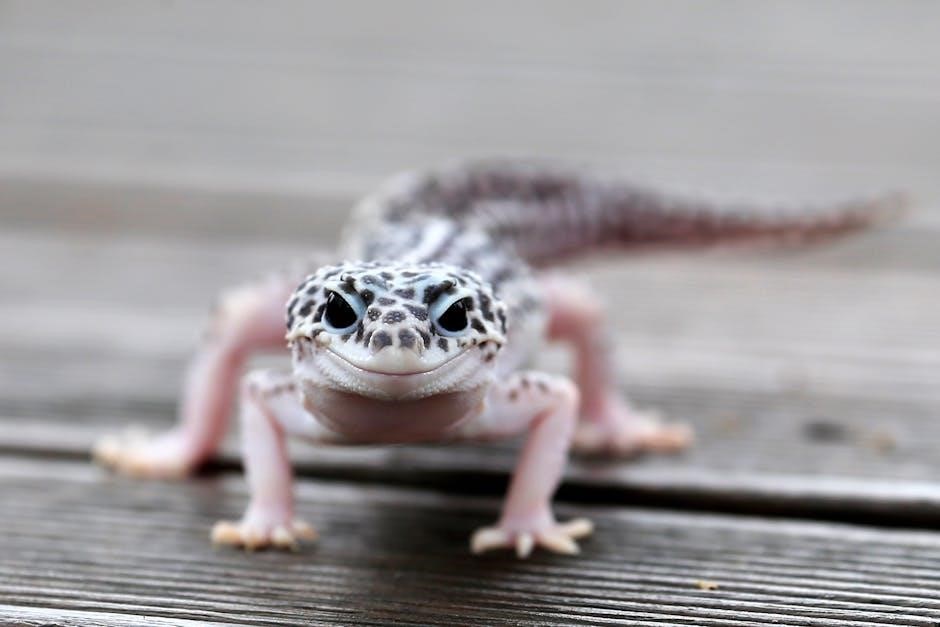
A varied and nutritious diet is paramount for a healthy leopard gecko. Many leopard gecko care sheet PDFs emphasize the importance of offering a diverse range of feeder insects to ensure they receive all necessary nutrients. While crickets are a staple, incorporating dubia roaches and mealworms provides a broader nutritional profile.
Younger geckos require more frequent feeding – almost daily – while adults (over a year old) thrive on 1-2 feedings per week, with 5-7 appropriately sized insects per meal. Variety is key; rotate feeders every couple of weeks to prevent nutritional deficiencies and maintain interest.
Treats like silkworms can be offered occasionally (3-4 times a month), but should not replace staple insects due to their lower nutritional value and potential for addiction. Proper supplementation with calcium and multivitamins is crucial, dusted onto insects weekly, alongside a readily available calcium dish within the enclosure.
XII. Staple Feeder Insects: Crickets, Dubia Roaches, and Mealworms
Selecting appropriate staple feeder insects is a cornerstone of leopard gecko nutrition, often detailed in comprehensive leopard gecko care sheet PDFs. Crickets are a readily available and affordable option, providing essential protein. However, they can be noisy and require gut-loading to maximize their nutritional value.
Dubia roaches are increasingly popular due to their higher protein content, ease of breeding, and lack of odor or chirping. They are considered a superior staple feeder by many gecko keepers. Mealworms, while convenient, are higher in fat and should be offered in moderation as part of a varied diet.
Gut-loading – feeding insects nutritious foods before offering them to your gecko – is vital. Ensure insects are appropriately sized; generally, no larger than the space between your gecko’s eyes. A rotation of these three staples provides a balanced diet, preventing deficiencies and promoting optimal health.
XIII. Supplementation: Calcium and Multivitamins
Proper supplementation is crucial for preventing metabolic bone disease (MBD) in leopard geckos, a topic thoroughly covered in detailed leopard gecko care sheet PDFs. Calcium supplementation is paramount, especially for growing juveniles and breeding females. Dusting insects with calcium powder without D3 at most feedings is recommended.
A calcium dish should always be available in the enclosure, allowing for self-regulation. Multivitamins are also essential, providing a range of nutrients not always present in feeder insects. Dust insects with a multivitamin powder once a week.

The correct ratio of calcium to multivitamin is vital; over-supplementation can be as harmful as under-supplementation. UVB lighting (discussed elsewhere) aids in D3 synthesis, reducing the need for D3-supplemented calcium, but doesn’t eliminate it entirely. Consistent supplementation, guided by a reliable care sheet, ensures a healthy and thriving gecko.
XIV. Feeding Schedule: Frequency and Portion Sizes
Establishing a consistent feeding schedule is key to your leopard gecko’s health, and detailed guidance is readily available in comprehensive leopard gecko care sheet PDFs. For geckos a year or older, feeding 1-2 times per week is generally sufficient, offering 5-7 appropriately sized insects per feeding. Younger, growing geckos require more frequent meals – almost daily for hatchlings, gradually decreasing as they mature.
Portion sizes should be adjusted based on the gecko’s age, weight, and overall condition. Avoid overfeeding, as obesity can lead to health problems. Variety is important; rotate between feeder insects like crickets, dubia roaches, and mealworms every couple of weeks to ensure a balanced diet.
Treats like silkworms can be offered occasionally (3-4 times a month), but shouldn’t become a staple due to their lower nutritional value and potential for creating picky eaters. Always remove uneaten insects to prevent stress and potential injury.
XV. Hydration: Providing Fresh Water
Maintaining proper hydration is crucial for your leopard gecko’s well-being, and detailed information can be found within a thorough leopard gecko care sheet PDF. Always provide a shallow dish of fresh, clean water. The water should be changed daily to prevent bacterial growth and ensure palatability.
While geckos primarily obtain moisture from their insect prey, a readily available water source is essential, especially during shedding. Some geckos may not readily drink from a dish, so lightly misting the enclosure can encourage them to lap up droplets. However, avoid excessive misting, as high humidity can lead to respiratory issues.
Ensure the water dish is stable and shallow enough to prevent accidental drowning, particularly for smaller or juvenile geckos. Regularly monitor your gecko for signs of dehydration, such as sunken eyes or wrinkled skin, and consult a veterinarian if you have concerns.
XVI. Handling and Temperament
Leopard geckos generally possess a docile temperament, making them popular reptile pets. However, understanding proper handling techniques, often detailed in a comprehensive leopard gecko care sheet PDF, is vital for both your safety and the gecko’s well-being. Always approach slowly and gently, avoiding sudden movements that could startle them.
Support the gecko’s entire body when handling, never gripping the tail – it can detach as a defense mechanism (though it will regenerate, it’s stressful for the gecko). Short, frequent handling sessions are preferable to long ones, allowing the gecko to acclimate to your presence.
New geckos may be skittish and require patience. Respect their boundaries and avoid handling when they appear stressed; Wash your hands thoroughly before and after handling to prevent the spread of bacteria. A well-socialized gecko will become more comfortable with handling over time, enjoying gentle interaction.
XVII. Common Health Issues and Prevention
Maintaining optimal care, as outlined in a detailed leopard gecko care sheet PDF, is crucial for preventing common health problems. Metabolic Bone Disease (MBD) is prevalent, stemming from calcium and vitamin D3 deficiencies; supplementation is key. Respiratory infections can occur due to low temperatures or poor ventilation – consistent thermostat control is vital.
Impaction, caused by ingesting substrate, highlights the importance of safe substrate choices (avoiding sand for young geckos). Parasites are also a concern, necessitating fecal exams by a reptile veterinarian. Regularly monitor your gecko for signs of illness: lethargy, loss of appetite, abnormal feces, or difficulty shedding.
Quarantine new geckos to prevent disease spread. Provide a clean enclosure, proper temperatures, and a balanced diet. Proactive veterinary check-ups are recommended, especially for new pets or those exhibiting concerning symptoms. Early detection and treatment significantly improve outcomes.
XVIII. Shedding and Molting
Shedding is a natural process for leopard geckos, detailed within a comprehensive leopard gecko care sheet PDF. Typically, healthy geckos shed their skin in one complete piece. Proper humidity levels (around 50-60%) aid in a smooth shed, preventing stuck shed, particularly around the toes and eyes.
Signs of shedding include dull coloration and increased hiding. Provide a humid hide box filled with slightly damp sphagnum moss to assist. Never forcibly remove stuck shed; instead, gently apply a warm, damp cloth to loosen it. Retained shed can lead to infections or toe loss.
Young geckos shed more frequently than adults due to faster growth rates. Ensure adequate calcium and vitamin D3 supplementation to support healthy skin development; Monitor your gecko closely during shedding and address any issues promptly. A well-maintained environment, as described in care guides, minimizes shedding complications.
XIX. Cleaning and Maintenance of the Enclosure
Regular cleaning is vital for a healthy leopard gecko, as detailed in a thorough leopard gecko care sheet PDF. Spot clean the enclosure daily, removing feces and urates. This prevents bacterial buildup and maintains hygiene. A full substrate change is recommended every 1-2 months, depending on the substrate type and enclosure size.
Disinfect the enclosure and all decorations with a reptile-safe disinfectant during substrate changes. Rinse thoroughly to remove any residue. Water and food bowls should be cleaned and disinfected daily. Pay close attention to the humid hide, as it’s prone to mold growth – clean and replace the moss regularly.
Maintaining a clean environment minimizes the risk of infections and parasites. Proper ventilation is also crucial to prevent humidity buildup. A consistent cleaning schedule, outlined in care guides, contributes significantly to your gecko’s well-being and longevity. Remember to always wash your hands after handling the enclosure or your gecko.
XX. Resources and Further Information (PDF Guides)
Expanding your knowledge is key to providing optimal care. Numerous leopard gecko care sheet PDFs are available online, offering detailed guidance. Reputable sources include reptile-focused websites, herpetological societies, and experienced breeders. These guides often cover advanced topics like breeding, genetic morphs, and specialized veterinary care.
Look for PDFs that address specific concerns, such as shedding problems, appetite loss, or potential illnesses. Many veterinary clinics specializing in exotic animals also provide downloadable care sheets for their clients. Online reptile communities and forums can direct you to reliable resources and experienced keepers willing to share their knowledge.
Remember to critically evaluate information from different sources, ensuring it aligns with established veterinary advice. A comprehensive understanding, gained through these resources, empowers you to proactively address your gecko’s needs and ensure a long, healthy life. Always prioritize information from qualified professionals.