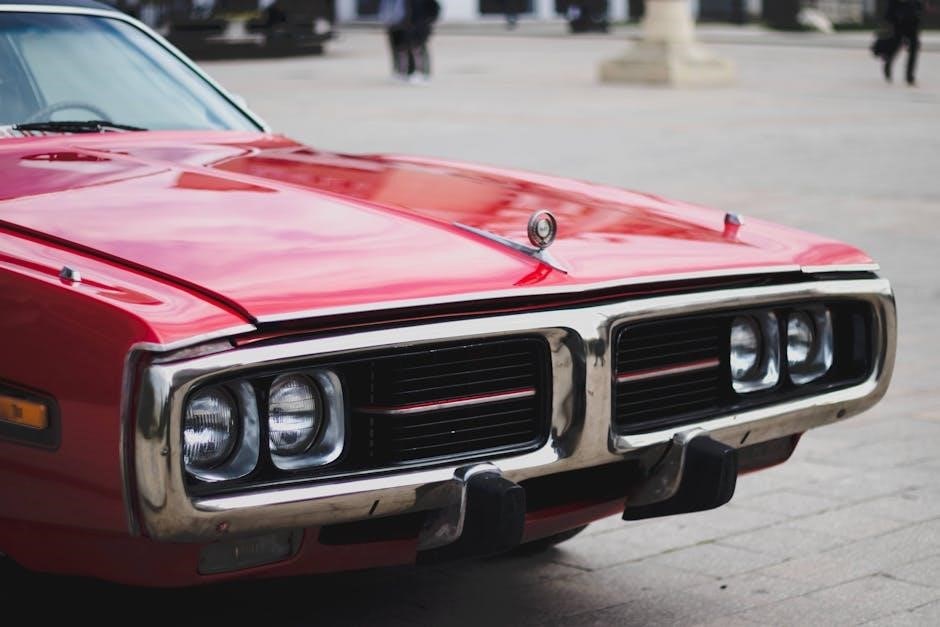
Dodge Charger with Manual Transmission: A Comprehensive Overview
The Dodge Charger, a legendary muscle car, gains immense appeal when equipped with a manual transmission, offering a raw, engaging driving experience cherished by enthusiasts.
The Dodge Charger’s reputation is deeply rooted in its powerful engines and aggressive styling, but a select few models possess an extra layer of desirability: the manual transmission. This configuration transforms the Charger from a potent straight-line machine into a truly driver-focused experience.
For purists, the ability to choose gears directly connects them to the car’s mechanical heart, fostering a sense of control and engagement often lost in modern automatics. The rarity of manual Chargers further amplifies their allure, making them highly sought-after collectibles.
The Rarity of Manual Chargers Throughout History
Throughout the Dodge Charger’s production run, manual transmissions were often overshadowed by automatic options, resulting in significantly fewer examples built with a stick shift. This trend began early, with manual versions representing a small percentage of total Charger sales.
Specific years, like 1969 with the Charger 500, saw limited production runs of manual-equipped models, further increasing their exclusivity; The modern era has seen a complete absence of manual options until very recently, solidifying their rarity.
Classic Muscle: 1969 Dodge Charger 500
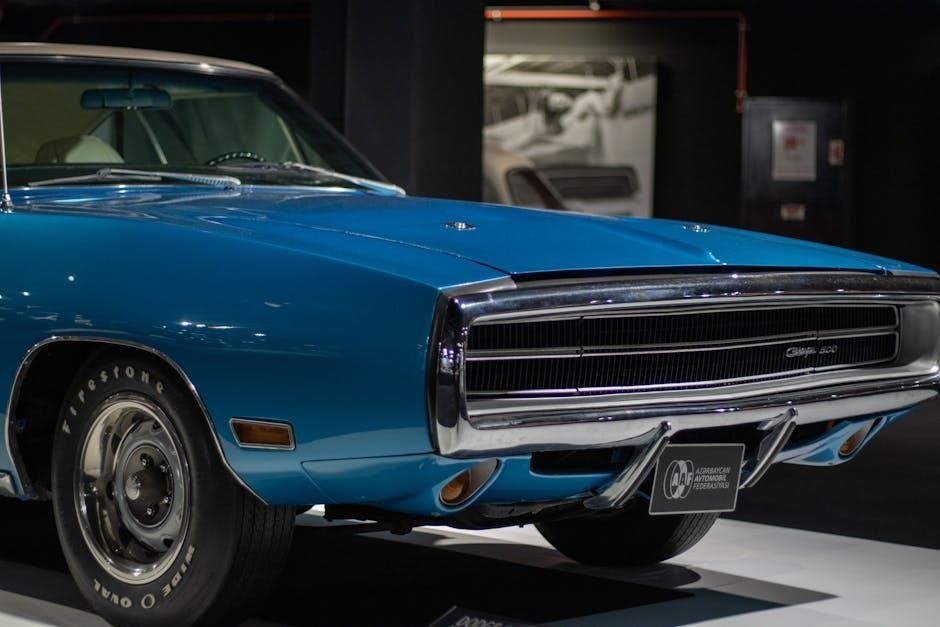
The 1969 Dodge Charger 500 stands as a pinnacle of classic muscle car design, particularly when paired with a four-speed manual transmission. Built for NASCAR homologation, the 500 featured aerodynamic enhancements and a powerful engine.
Only a select few were produced with the Hemi V8 and a manual gearbox, making them incredibly sought-after by collectors. This combination represents a truly visceral driving experience, embodying the spirit of the era.
The Significance of the 1969 Charger 500 Production Run
The limited production run of the 1969 Dodge Charger 500, especially those equipped with a four-speed manual, cemented its status as a collector’s item. Just 27 Hemi-powered examples featured this transmission.
This scarcity dramatically increases their value and desirability. The 500 wasn’t just about speed; it was a statement, a homologation special built to dominate on the track and capture the hearts of enthusiasts.
Original Hemi V8 Engine and Four-Speed Manual Combination
The pairing of the legendary Hemi V8 engine with a four-speed manual transmission in the 1969 Charger 500 represents a pinnacle of American muscle car engineering. This combination delivered exhilarating performance and a direct connection to the road.
It offered drivers complete control over the immense power, creating an unforgettable driving experience that remains highly sought after by collectors and enthusiasts today.
The Dodge Charger 500: Design and Aesthetics
The 1969 Dodge Charger 500 was meticulously designed for both aerodynamic efficiency and aggressive styling. Its purpose-built appearance immediately signaled its performance intentions, captivating muscle car fans.
The Charger 500’s visual impact is undeniable, boasting a sleek profile and features intended to dominate both the street and the racetrack, embodying the spirit of high-performance motoring.
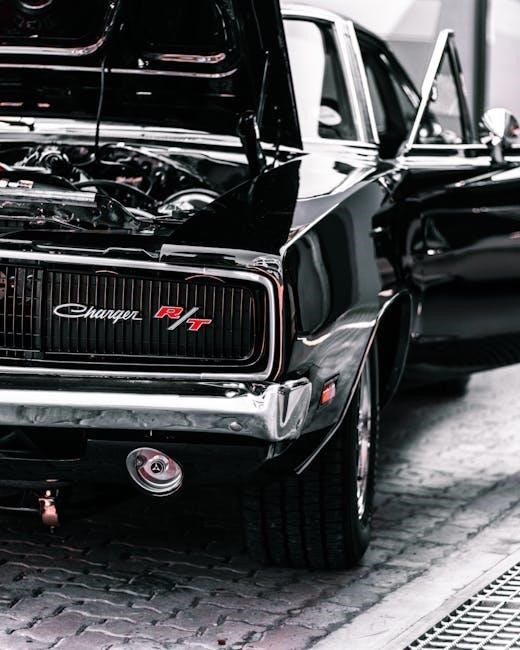
Brandywine Paint and Aggressive Styling Cues
The striking Brandywine paint of the 1969 Charger 500 accentuated its muscular lines, creating a visually arresting presence. This rich, deep hue perfectly complemented the car’s aggressive styling cues, designed to intimidate competitors.
These cues included a flush-mounted grille and rear window, contributing to improved aerodynamics and a more menacing aesthetic, solidifying the Charger 500’s iconic status.
Hideaway Headlights and Side Scoops – A Predator’s Look
The 1969 Charger 500’s hideaway headlights, when retracted, gave the car a sleek, streamlined profile, resembling a predator poised to strike. Coupled with prominent side scoops, these features enhanced both the car’s visual aggression and functional cooling.
These scoops fed air to the brakes and engine, contributing to improved performance on the track and reinforcing the Charger’s intimidating presence.
The Modern Demand for Manual Transmissions
Enthusiasts consistently crave a manual option in modern performance cars like the Dodge Charger, valuing the heightened driver engagement and sense of control it provides. This desire persists despite the increasing prevalence of automatic transmissions and advanced driver-assistance systems.
Automotive trends, while leaning towards convenience, haven’t extinguished the passion for a truly connected driving experience, fueling demand for manual options.
Why Enthusiasts Crave a Manual Option
The appeal of a manual transmission lies in its direct connection between driver and machine, fostering a more immersive and rewarding experience. Enthusiasts relish the control over gear selection, enabling precise driving and a heightened sense of involvement.
It’s about feeling the car, not just driving it – a visceral connection lost with the automation of modern transmissions.
The Impact of Automotive Trends on Transmission Preferences
Despite the rise of automatic transmissions and dual-clutch systems prioritizing convenience and efficiency, a counter-trend persists among driving purists. Demand for manual transmissions remains strong within enthusiast circles, fueled by a desire for a more authentic driving experience.
This preference often clashes with broader automotive trends, yet sustains a niche market for engaging vehicles like the Charger.
The One-Off Manual Hellcat: Dennis McCarthy’s Creation
A singular, groundbreaking Dodge Charger SRT Hellcat now exists with a manual transmission, thanks to the ingenuity of Dennis McCarthy and his team at Vehicle Effects. This conversion, a dream for many enthusiasts, brought a traditionally automatic-only powerhouse to life.
This unique build demonstrates the possibility, and the demand, for a manual Hellcat, pushing boundaries within the Mopar community.
The Story Behind the Unique Hellcat Conversion
The impetus for this extraordinary Hellcat transformation stemmed from a desire to create something truly special, responding to the long-held wish of enthusiasts for a manual option. Dennis McCarthy’s Vehicle Effects crew undertook the complex project, driven by passion and expertise.
The conversion wasn’t a simple swap; it required significant engineering and fabrication to seamlessly integrate the manual transmission.
Vehicle Effects Crew and the Manual Transmission Implementation
Vehicle Effects, renowned for its automotive expertise, meticulously handled the Hellcat’s manual conversion. The team faced substantial challenges adapting the drivetrain to accommodate the manual transmission, requiring custom-built components and extensive modifications.
They skillfully integrated the necessary linkages, clutch system, and pedal assembly, ensuring a robust and reliable manual experience within the powerful Hellcat.
Challenges of Retrofitting a Manual Transmission
Retrofitting a manual transmission into a Charger designed for automatic operation presents significant engineering hurdles. Modifications are needed for the drivetrain, including the bellhousing, flywheel, clutch, and shifter mechanism.
Adapting the car’s computer systems to manage the manual control is complex, and sourcing compatible parts can be difficult, driving up both cost and complexity.
Engineering Considerations and Modifications Required
Successful manual conversions demand meticulous engineering. Key considerations include pedal box adjustments, transmission tunnel modifications, and a robust clutch system capable of handling the engine’s power.
Custom driveshafts, shifter linkages, and potentially even floor pan alterations are often necessary. The vehicle’s computer requires reprogramming to eliminate automatic transmission controls and integrate manual operation.
Cost and Complexity of Manual Conversions
Manual conversions are rarely inexpensive or straightforward. Parts alone – transmission, clutch, flywheel, shifter – can easily exceed several thousand dollars. Labor costs are substantial, requiring skilled technicians for proper installation and calibration.
Unexpected issues frequently arise, increasing both time and expense. Sourcing compatible components and ensuring long-term reliability adds to the overall complexity of the project.
Performance Implications of a Manual Charger
A manual transmission dramatically enhances driver engagement and control, allowing for precise gear selection and a more connected feel. Skilled drivers can potentially achieve improved track times through optimized shifting strategies.
However, consistent performance relies heavily on driver proficiency. While offering greater control, a manual requires more effort and skill to maximize its performance potential compared to an automatic;
Driver Engagement and Control
The core benefit of a manual Charger lies in its heightened driver engagement. Directly controlling gear selection fosters a deeper connection with the vehicle, demanding active participation and rewarding skillful operation.
This tactile experience provides a level of control absent in automatic transmissions, allowing drivers to precisely manage power delivery and tailor the driving experience to their preferences and road conditions.
Potential for Improved Track Times (with skilled driver)
A skilled driver can potentially achieve faster lap times with a manual Charger, due to the precise control over gear selection and engine braking. This allows for optimized acceleration and cornering speeds, maximizing performance on the track.
However, consistent results depend heavily on driver proficiency; a less experienced driver might not fully exploit the manual’s capabilities, potentially yielding slower times.
Market Value and Collectibility
Rare manual Charger models command a significant premium in the collector car market, driven by their exclusivity and appeal to enthusiasts. Condition, original mileage, and documented history are key factors influencing value.
Exceptional examples, particularly those with desirable options like the Hemi engine, can fetch substantially higher prices than their automatic counterparts, representing a strong investment.
The Premium on Rare Manual Charger Models
The scarcity of manual transmission Chargers directly translates to a substantial market premium; Collectors actively seek these models, driving up demand and prices. A 1969 Charger 500 with a four-speed manual, for instance, is exceptionally valuable.
This premium reflects the unique driving experience and historical significance, making manual Chargers highly sought-after investments within the muscle car community.
Factors Influencing Charger Value (Condition, Mileage, History)
Several key factors determine the value of a manual transmission Dodge Charger. Pristine condition, with original parts, commands the highest prices. Lower mileage significantly increases desirability, reflecting minimal wear and tear.
A well-documented history, including ownership records and restoration details, adds substantial value, assuring authenticity and provenance for discerning collectors and enthusiasts alike.
Other Notable Manual Charger Generations
Early Charger models (1966-1974) frequently offered manual transmission options, catering to drivers who preferred greater control. Mid-generation Chargers also provided manual alternatives, though availability varied by year and engine configuration.
These earlier generations represent a significant part of Charger history, offering a classic muscle car experience with the engaging feel of a stick shift.
Early Charger Models (1966-1974) with Manual Options
The initial Charger years (1966-1974) saw manual transmissions as a common choice, particularly with smaller displacement engines. Three-speed and four-speed manuals were available, offering drivers a direct connection to the powerful engines.
These early models established the Charger’s muscle car credentials, and the manual option enhanced the driving experience for those seeking maximum control and engagement.
Mid-Generation Chargers Offering Manual Transmissions
During the mid-generation (roughly 1975-1978), manual transmission availability became less frequent in Chargers, reflecting broader automotive trends. While not entirely absent, the option was primarily offered with base engines, diminishing as performance models favored automatics.
Enthusiasts still sought these rarer manual variants, valuing the increased driver involvement and classic muscle car feel they provided during this transitional period.
The Future of Manual Transmissions in Dodge Chargers
Dodge’s current stance leans away from widespread manual options, prioritizing automatic transmissions in modern muscle cars due to market demands and performance optimization. However, the fervent enthusiast community continues to voice their desire for a stick-shift Charger.
Speculation exists regarding potential limited-edition models, perhaps celebrating Charger’s legacy, that could offer a manual transmission as a nod to its rich history.
Dodge’s Stance on Manual Options in Modern Muscle Cars
Currently, Dodge prioritizes automatic transmissions in its modern muscle car lineup, including the Charger, citing performance advantages and broader market appeal. This decision reflects a shift in consumer preferences towards the convenience and speed of automatic gearboxes.
Despite strong enthusiast demand, Dodge hasn’t offered a factory-equipped manual Charger for many years, focusing instead on refining its automatic transmission technology.
Potential for Future Limited-Edition Manual Chargers
While Dodge currently favors automatics, the overwhelming enthusiast response to projects like Dennis McCarthy’s manual Hellcat suggests a potential shift. A limited-edition, factory-produced manual Charger could generate significant excitement and collector value.
Such a model would likely be a low-volume offering, catering specifically to dedicated enthusiasts willing to pay a premium for the unique driving experience.
Resources for Charger Owners and Enthusiasts
Numerous online forums and communities cater specifically to Dodge Charger owners and enthusiasts, providing invaluable platforms for sharing knowledge, troubleshooting issues, and sourcing parts. Dedicated websites offer detailed restoration guides and technical information.
Specialized parts suppliers focus on classic and modern Mopar performance components, including manual transmission upgrades and restoration pieces.
Online Forums and Communities
Dedicated online forums serve as vibrant hubs for Charger enthusiasts, fostering discussions on restoration, performance modifications, and the unique challenges of manual transmission ownership. These communities offer a wealth of collective knowledge, from locating rare parts to diagnosing complex issues.
Active Facebook groups and Mopar-specific websites connect owners globally, facilitating information exchange and camaraderie.
Parts Suppliers and Restoration Services
Sourcing original or high-quality reproduction parts is crucial for maintaining a manual Charger, with specialized suppliers catering to Mopar enthusiasts. These vendors offer everything from clutch components to shifters and transmission housings.
Professional restoration services provide expertise in rebuilding manual transmissions and performing complete vehicle restorations, ensuring authenticity and longevity.
Restoration Tips for Manual Charger Owners
Prioritize finding original parts whenever possible, consulting with Mopar specialists to verify authenticity and fit. Thoroughly inspect the clutch, flywheel, and shifter linkage during disassembly, replacing worn components.
Regularly service the manual transmission with appropriate fluids and maintain proper adjustment of the linkage for smooth operation and prevent premature wear.
Finding Original Parts
Sourcing authentic components for a manual Charger restoration demands patience and diligence. Explore dedicated Mopar forums, online marketplaces specializing in classic car parts, and reputable restoration suppliers.
Networking with other Charger owners can uncover hidden stashes of original parts. Be prepared to verify part numbers and assess condition carefully before purchasing, ensuring proper fitment and functionality.
Maintaining the Manual Transmission System
Preserving the functionality of a manual transmission requires diligent upkeep. Regularly check and replace the transmission fluid according to the manufacturer’s specifications, utilizing the correct grade.
Inspect the clutch linkage for wear and proper adjustment, addressing any issues promptly. Pay attention to shift quality, investigating any unusual noises or difficulties shifting gears to prevent further damage.
Comparing Manual Chargers to Automatic Variants
Manual Chargers deliver a heightened sense of driver involvement and control, demanding active participation in the driving process. Automatic variants prioritize convenience and ease of use, often achieving quicker acceleration times due to consistent shift points.
However, the manual transmission offers a more visceral connection to the engine, enhancing the overall driving experience for enthusiasts seeking a raw, engaging feel.
Driving Experience Differences
A manual Charger fundamentally alters the driving experience, demanding precise clutch control and gear selection. This active engagement fosters a deeper connection with the vehicle, rewarding skilled drivers with a sense of accomplishment.
Automatic transmissions offer seamless shifts and reduced driver fatigue, prioritizing comfort and ease. The manual, however, provides a more immersive and tactile sensation, appealing to purists.
Performance Characteristics Comparison
While a skilled driver can potentially achieve quicker track times with a manual Charger, maximizing performance requires precise shifting and clutch work. Automatic transmissions often deliver consistent, rapid shifts, minimizing power loss during gear changes.
However, the manual transmission allows for greater control over engine RPM, potentially optimizing acceleration in specific scenarios. Ultimately, the performance advantage depends heavily on driver proficiency.
The Legacy of the Dodge Charger in Motorsports
Historically, the Dodge Charger’s presence in motorsports, while significant, didn’t heavily feature manual transmission variants. Racing often prioritized the consistency and speed of automatic transmissions for optimal performance on the track.
Despite this, the Charger’s overall racing success cemented its reputation as a formidable competitor, contributing to the car’s enduring legacy and desirability among enthusiasts.
Manual Chargers in Racing History
Documented instances of Dodge Chargers with manual transmissions achieving widespread success in professional racing are relatively scarce. The focus often leaned towards automatic setups for quicker, more consistent lap times and reduced driver fatigue during demanding competitions.
However, dedicated racers and enthusiasts frequently utilized manual Chargers in regional and amateur events, showcasing the car’s potential and driver skill.
Impact on Charger’s Reputation
The availability of manual transmissions, though limited, significantly bolstered the Dodge Charger’s reputation as a driver-focused muscle car. It appealed to purists who valued control and engagement, solidifying its image beyond mere straight-line speed.
This contributed to a lasting legacy of performance and a dedicated following among automotive enthusiasts who appreciate a more visceral driving connection.
Notable Individuals Involved in Charger Development
While specific names directly tied to manual transmission options are scarce, engineers at Dodge played a crucial role in offering these configurations in early Charger generations. Their dedication to providing a choice catered to driving enthusiasts.
Dennis McCarthy, with Vehicle Effects, recently became pivotal, single-handedly creating a manual Hellcat, demonstrating continued passion for driver-centric performance.
Engineers and Designers Behind the Manual Transmission Options
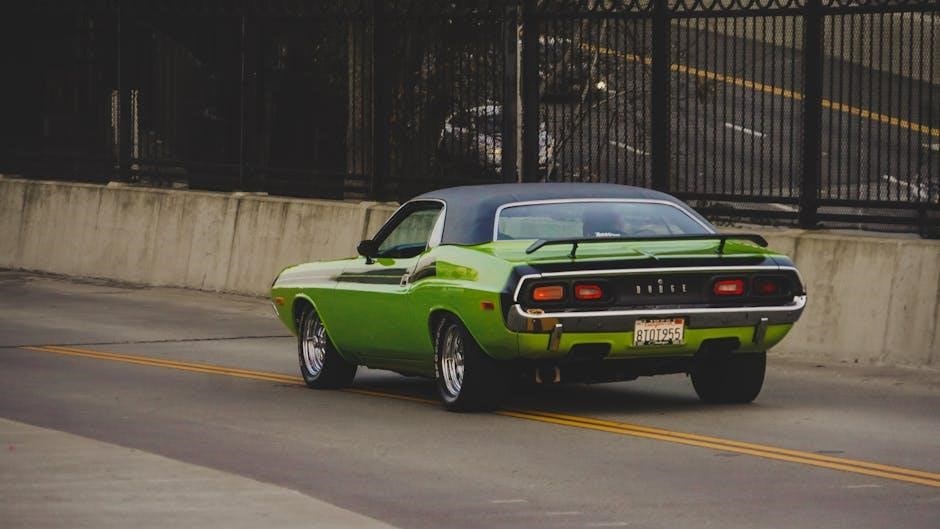
Unfortunately, detailed records identifying the specific Dodge engineers and designers directly responsible for implementing manual transmission options in early Chargers are limited. However, their work provided enthusiasts with a visceral connection to the vehicle.
These individuals prioritized driver engagement, offering a choice beyond automatic, shaping the Charger’s legacy and appealing to a dedicated fanbase seeking control.
Key Figures in Charger’s Racing Success
While specific drivers consistently linked to manual transmission Charger race victories are difficult to pinpoint definitively, several legendary racers piloted Chargers to success. Richard Petty, though primarily known for automatics, occasionally utilized manual transmissions.
Drivers like Bobby Isaac and David Pearson also contributed to the Charger’s racing pedigree, showcasing its potential on the track, enhancing its performance reputation.
The Role of Automotive Media in Promoting Manual Chargers
Automotive media plays a crucial role in amplifying the allure of manual transmission Dodge Chargers, particularly rare models like the 1969 Charger 500 and the one-off Hellcat conversion.
Coverage of these unique vehicles fuels enthusiast demand and highlights the engaging driving experience they offer, fostering a dedicated community and preserving Charger’s legacy.
Coverage of Rare Charger Models
Detailed reporting on scarce manual Charger variants, such as the Hemi-powered 1969 Charger 500 – limited to just 27 produced with a four-speed – captivates audiences.
Media attention surrounding Dennis McCarthy’s unique manual Hellcat conversion further intensifies interest, showcasing the possibilities and desirability of a traditionally automatic platform.
Influence on Enthusiast Demand
Automotive media’s spotlight on rare manual Chargers, like the 1969 Charger 500 and the one-off Hellcat, significantly fuels enthusiast desire.
Coverage highlights the engaging driving experience and exclusivity, creating a strong market for existing models and sparking hope for future limited-edition manual options from Dodge.
The Enduring Appeal of a Manual Dodge Charger
The manual Dodge Charger embodies a connection to driving purity, resonating with enthusiasts who crave control and engagement.
From classic muscle car heritage to modern, custom builds, the allure of a stick-shift Charger remains strong, representing a timeless appeal within the automotive world and a legacy of performance.