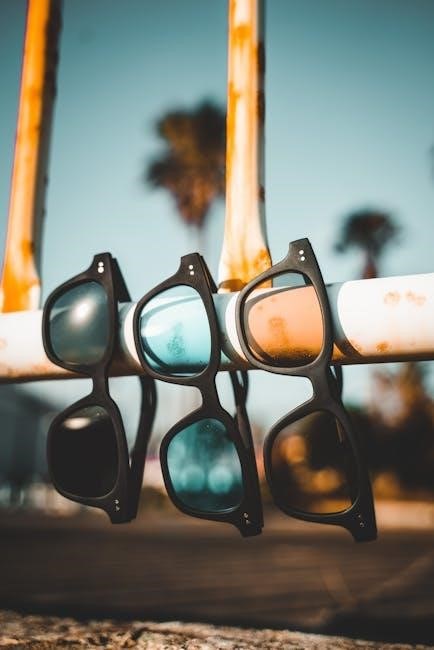
Snow Goggle Lens Color Guide
Navigating the world of snow goggles requires understanding how lens color and Visible Light Transmission (VLT) impact visibility. Choosing the right tint enhances
contrast and protects your eyes in diverse winter conditions.
Understanding Visible Light Transmission (VLT)
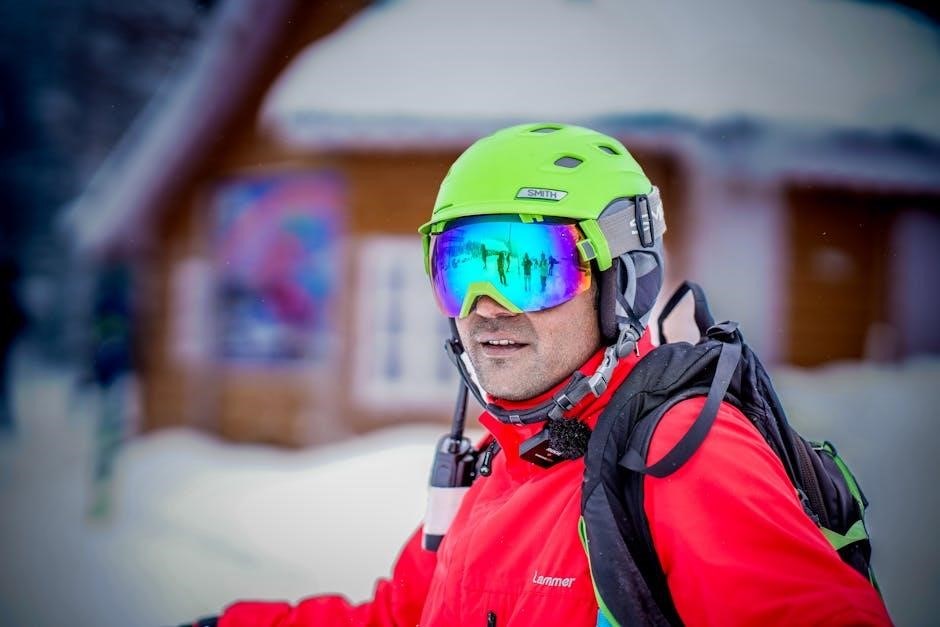
Visible Light Transmission, or VLT, is a crucial factor when selecting snow goggles; It represents the percentage of visible light that passes through the lens, directly impacting how bright or dark your vision will be. A higher VLT percentage means more light reaches your eyes, making it ideal for low-light conditions like overcast days or during nighttime skiing. Conversely, a lower VLT percentage blocks more light, suitable for bright, sunny conditions.
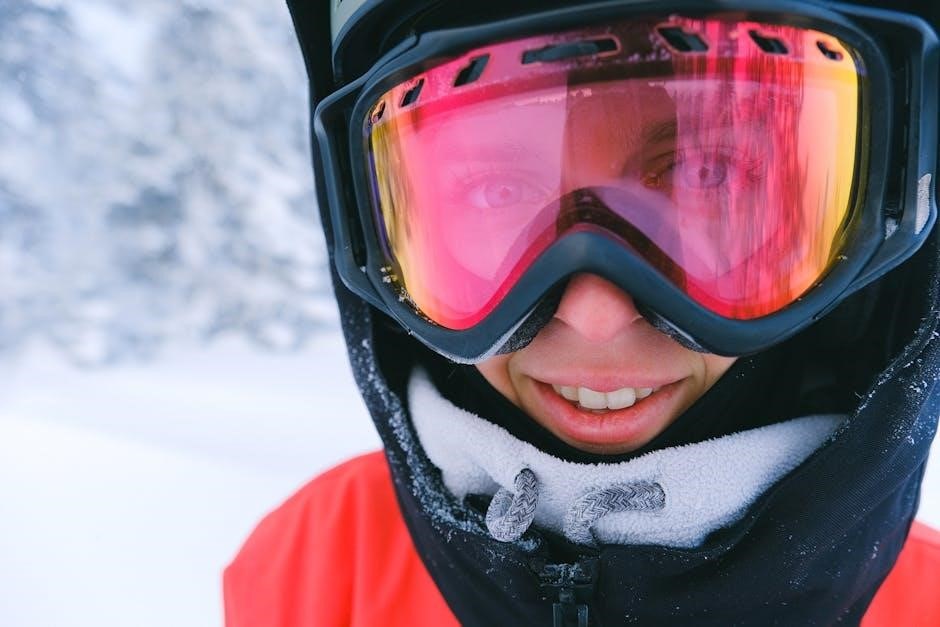
VLT is typically expressed as a percentage, ranging from 0% to 100%. Goggles are categorized based on their VLT range, allowing skiers and snowboarders to choose lenses appropriate for specific weather conditions. Understanding this metric is paramount for optimal performance and safety on the slopes. Ignoring VLT can lead to eye strain, reduced visibility, and potentially dangerous situations. Manufacturers clearly label goggles with their VLT percentage, simplifying the selection process for informed consumers.
Essentially, VLT dictates the lens’s ability to manage light, ensuring clear and comfortable vision regardless of the prevailing weather.
Lens Color and VLT Relationship
The interplay between lens color and Visible Light Transmission (VLT) is fundamental to understanding snow goggle performance. While VLT dictates how much light passes through, lens color determines how that light is perceived, influencing contrast, depth perception, and color accuracy. Different colors filter specific wavelengths of light, enhancing visibility in varying conditions.
For instance, a yellow lens with a high VLT (60-90%) excels in flat light by boosting contrast, while a grey lens with a low VLT (10-30%) reduces overall brightness in sunny conditions. Rose, pink, and red lenses offer a balance, enhancing contrast and providing good visibility in diverse light. The color isn’t merely aesthetic; it’s a functional element designed to optimize vision.
Therefore, selecting a lens involves considering both VLT and color. A high VLT with a yellow tint is perfect for stormy days, while a low VLT with a grey or smoke tint is best for bright sunshine. Understanding this relationship ensures optimal visual clarity and comfort on the mountain.
Clear Lenses (VLT 64%+)
Clear lenses, boasting a VLT of 64% or higher, are the quintessential choice for low-light conditions – think heavily overcast days, dusk, or even nighttime skiing. They allow the maximum amount of light to reach your eyes, providing optimal visibility when light is scarce. Unlike tinted lenses, clear lenses don’t alter color perception, offering a natural view of the terrain.
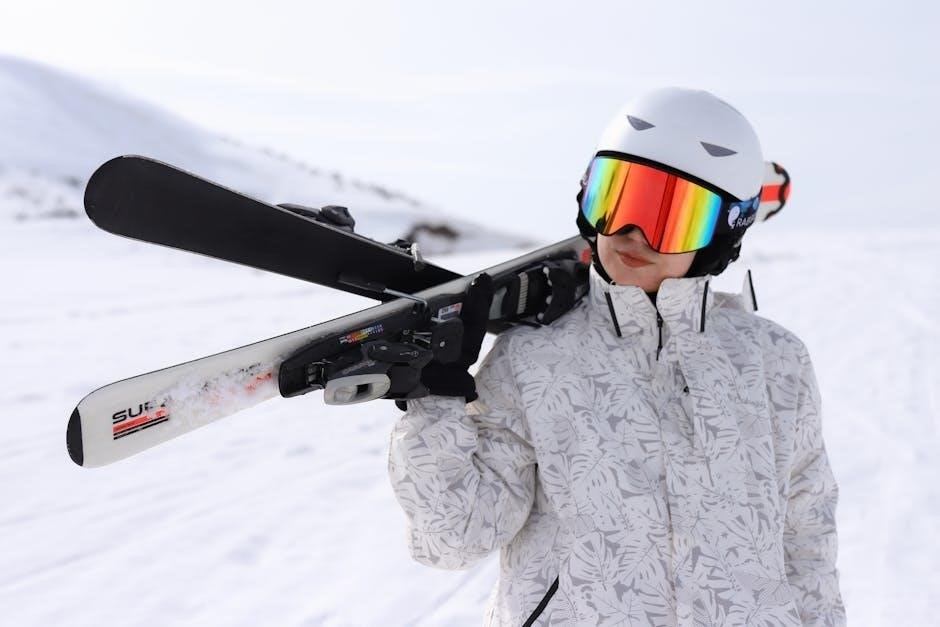
These lenses are particularly valuable for skiers and snowboarders who enjoy extending their day into the evening or navigating through dense fog or snowfall. While they don’t offer protection from glare, their primary function is to enhance visibility in the dimmest conditions. They are often a versatile option to have as a backup lens.
However, clear lenses are not suitable for bright, sunny days as they offer no protection from the sun’s intensity. They prioritize maximizing light intake over reducing glare, making them a specialized tool for specific weather scenarios.
Yellow & Amber Lenses (VLT 60-90%)
Yellow and amber lenses fall into a high VLT range of 60-90%, making them excellent for variable light conditions and low visibility. They excel in partly cloudy days, flat light, or during snowfall, enhancing contrast and depth perception. These lenses work by filtering out blue light, which is known to cause eye strain and reduce clarity in hazy conditions.
The subtle color enhancement provided by yellow and amber tints can make features on the slope more discernible, improving your ability to navigate challenging terrain. They are a popular choice for skiers and snowboarders who frequently encounter changing weather patterns throughout the day. They are also beneficial for quick transitions between sun and shade.
However, these lenses aren’t ideal for bright, sunny conditions as they don’t offer sufficient glare reduction. While versatile, they are best suited for maximizing visibility when the sun isn’t fully out.
Rose, Pink & Red Lenses (VLT 40-60%)
Rose, pink, and red lenses offer a versatile VLT range of 40-60%, making them suitable for a broader spectrum of conditions than yellow or amber. They provide excellent contrast and clarity, particularly in variable light, and are often favored for partly sunny days or when navigating tree runs. These lenses subtly enhance depth perception while reducing eye strain, offering a comfortable visual experience.
Unlike yellow lenses, rose and red tints don’t filter out as much blue light, resulting in a more natural color balance. This makes them a good all-around option for those who prefer a less altered view of the mountain. They are particularly appreciated by skiers and snowboarders who want to maintain accurate color recognition.
These lenses perform well in both sunny and cloudy conditions, though they may not be the optimal choice for extremely bright or very low-light scenarios. They represent a balanced option for adaptable visibility.
Grey Lenses (VLT 10-30%)
Grey lenses are the gold standard for bright, sunny days on the slopes, boasting a low VLT ranging from 10-30%. They function similarly to sunglasses, reducing overall brightness and glare without significantly distorting colors. This neutral tint provides the most accurate color perception, allowing skiers and snowboarders to clearly assess terrain features and snow conditions.
Because grey lenses minimize color alteration, they are ideal for those who prefer a natural viewing experience. They effectively reduce eye fatigue caused by intense sunlight reflecting off snow, enhancing comfort during long days on the mountain. However, their lower VLT makes them unsuitable for cloudy or low-light conditions, as they can diminish visibility.
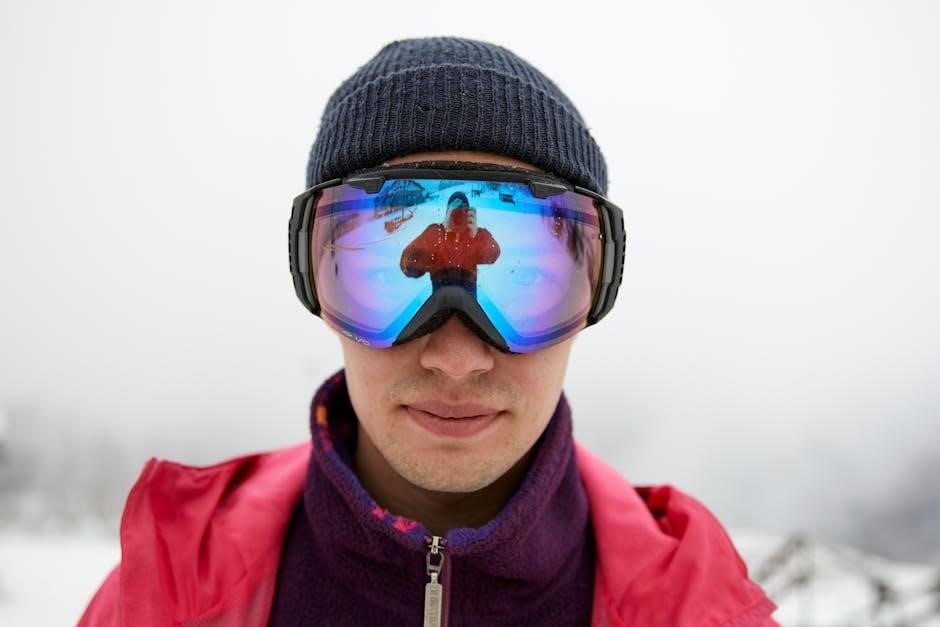
Grey lenses are a reliable choice for consistently sunny weather, offering excellent protection and clarity. They are a staple for riders prioritizing accurate color representation and glare reduction in bright alpine environments.
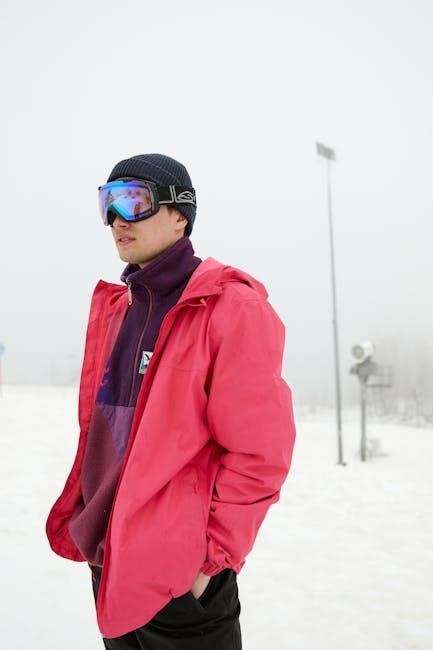
Blue Lenses (VLT 10-25%)
Blue lenses, with a VLT typically between 10-25%, are designed for bright, sunny conditions, offering enhanced contrast and depth perception in relatively clear weather. They excel at reducing glare and haze, making them a strong choice for days with intense sunlight reflecting off the snow. Unlike grey lenses which offer neutral vision, blue lenses subtly enhance contrast, particularly in flatter light.
This subtle contrast boost can be beneficial for spotting changes in terrain, such as bumps or icy patches, improving rider awareness and safety. However, the color enhancement isn’t as dramatic as with amber or rose lenses. They provide a comfortable viewing experience without overly altering the natural color spectrum.
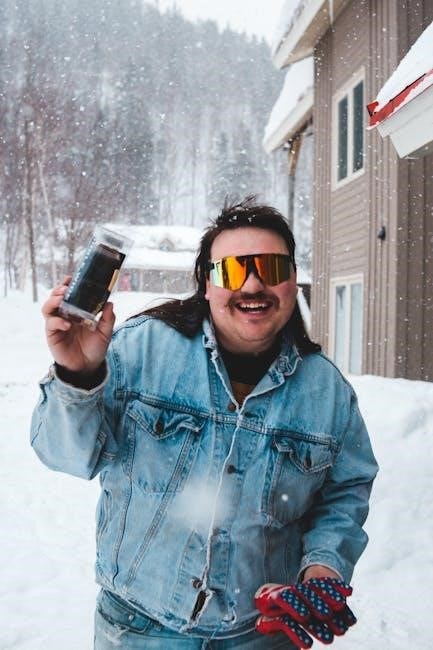
Blue lenses are a versatile option for sunny days, offering a balance between glare reduction, contrast enhancement, and relatively natural color perception. They are a solid choice for skiers and snowboarders seeking improved visibility in bright conditions;
Green Lenses (VLT 20-40%)
Green lenses, boasting a Visible Light Transmission (VLT) range of 20-40%, represent a versatile all-around option for varying snow conditions. They offer a balanced visual experience, providing good contrast and color accuracy while reducing eye strain. Unlike blue lenses which emphasize contrast, or amber lenses which heighten brightness, green lenses aim for a more natural view of the terrain.
These lenses perform well in both sunny and partly cloudy conditions, making them a practical choice for unpredictable mountain weather. They effectively filter out blue light, reducing glare and enhancing visual clarity without significantly distorting colors. This makes them suitable for a wide range of light levels and snow types.
Green lenses are particularly beneficial for those who prefer a more natural color perception while still enjoying the benefits of glare reduction and enhanced contrast. They are a reliable choice for skiers and snowboarders seeking a versatile lens for diverse conditions.
Prizm Snow Technology Explained
Oakley’s Prizm Snow technology is a revolutionary lens design inspired by the color tuning principles found in the world’s best audio studios. Rather than simply blocking light, Prizm Snow precisely manipulates wavelengths, enhancing visibility and optimizing performance on the mountain. It’s not just about tint; it’s about fine-tuning the entire color spectrum.
The core concept involves weakening colors that are less important for terrain recognition and amplifying those that are crucial. This results in dramatically increased contrast and depth perception, allowing riders to react faster and more confidently to changing snow conditions and terrain features. Different Prizm Snow lens shades are engineered for specific weather scenarios.
For example, Prizm Snow Sapphire is ideal for bright, sunny days, while Prizm Snow Black Iris excels in variable conditions. By selectively filtering and enhancing colors, Prizm Snow aims to deliver a more vibrant, detailed, and ultimately safer riding experience, improving visual acuity and reducing eye fatigue.
Smith Goggle Lens Colors & Uses
Smith Optics offers a diverse range of lens colors, each tailored for specific conditions. Their ChromaPop™ technology enhances contrast and clarity by filtering out color that the eye doesn’t need for optimal performance. Clear lenses (VLT 64%+) are perfect for low-light situations like night skiing or heavily overcast days, maximizing light intake.
For variable conditions, Rose and Pink lenses (VLT 40-60%) provide excellent contrast and depth perception, while also being comfortable for extended wear. Grey lenses (VLT 10-30%) are a versatile choice for bright, sunny days, reducing overall brightness without distorting colors significantly.
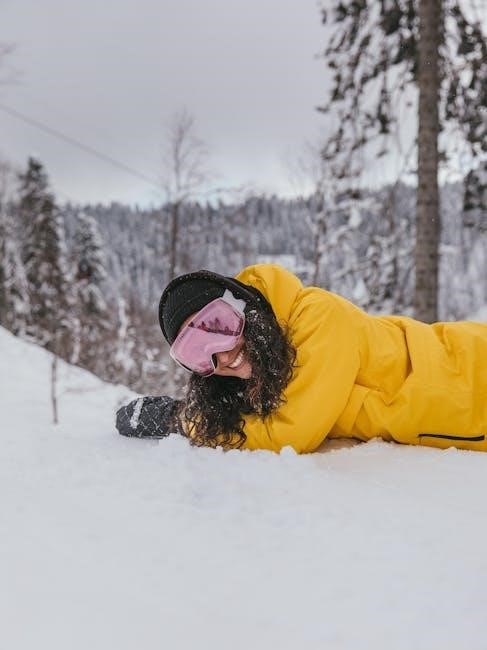
Smith also features specialized options like Prizm Snow Sapphire, designed for bright light, and Prizm Snow Jade, suited for variable conditions. Understanding the VLT percentage and intended use for each color allows skiers and snowboarders to select the optimal lens for their specific needs, ensuring a clear and comfortable view of the mountain.
Oakley Prizm Snow Lens Options
Oakley’s Prizm Snow technology revolutionized goggle lenses by fine-tuning wavelengths of light, enhancing color and contrast in specific conditions. Unlike traditional lenses, Prizm Snow doesn’t just reduce brightness; it optimizes visibility for a more detailed and accurate view of the terrain.
Prizm Snow Sapphire is engineered for bright, sunny days, boosting blues and greens for improved contour definition. Prizm Snow Jade performs exceptionally well in variable light, enhancing contrast in both sunny and cloudy conditions. For low-light scenarios, Prizm Snow Black Iridium maximizes contrast and offers superior clarity.
Oakley also offers specialized Prizm Snow lenses like Torch Iridium, ideal for quick, changing conditions, and Rose, providing enhanced depth perception. These lenses aren’t simply tinted; they’re scientifically engineered to help riders see more detail and react faster, improving overall performance and safety on the slopes.
Choosing Lenses for Sunny Conditions
When the sun is blazing on the slopes, selecting the right goggle lens is crucial for comfort and performance. Bright sunlight demands lenses with lower Visible Light Transmission (VLT) percentages, typically ranging from 10% to 30%. These darker tints reduce glare and eye strain, allowing for clear vision even in intense brightness.
Grey lenses are a popular choice for sunny days, offering true color perception and reducing overall brightness without distorting the natural landscape. Blue lenses also excel in sunny conditions, enhancing contrast and reducing eye fatigue. However, they can sometimes alter color perception.
Oakley’s Prizm Snow Sapphire and similar technologies are specifically designed for bright, sunny conditions, boosting blues and greens for improved terrain definition. Mirror coatings further reduce glare by reflecting sunlight away from the lens, providing an extra layer of protection and enhancing visibility. Prioritize darker tints and consider mirrored options for optimal performance.
Choosing Lenses for Cloudy/Overcast Conditions
Navigating flat light and overcast skies requires lenses that maximize contrast and brightness. In these conditions, a higher VLT percentage – typically between 40% and 60% – is ideal. These lenses allow more light to reach your eyes, improving visibility when the sun is obscured by clouds.
Rose, pink, and red lenses are excellent choices for cloudy days, enhancing contrast and depth perception in low-light conditions. They filter out blue light, which can cause eye strain, and boost warm tones, making it easier to discern terrain features. Amber and yellow lenses, with even higher VLT percentages (60-90%), are also effective in very low light.
Smith’s lenses, like the Prizm Snow Ignite, are engineered for variable light, offering enhanced contrast in cloudy conditions. Consider lenses with minimal tint distortion to maintain accurate color perception. Prioritizing higher VLT and warmer tones will significantly improve your visibility and safety on grey days.
Choosing Lenses for Night Skiing
Night skiing demands lenses that maximize light intake while minimizing glare from artificial lighting. Clear lenses, boasting a VLT of 64% or higher, are the only truly appropriate choice for after-dark runs. These lenses provide unobstructed vision, allowing you to see the terrain clearly without any color distortion.
Avoid tinted lenses at night, as they significantly reduce the amount of light reaching your eyes, creating a dangerous situation. While amber or yellow lenses might seem tempting due to their higher VLT, they can still distort vision and exacerbate glare from on-slope lighting.
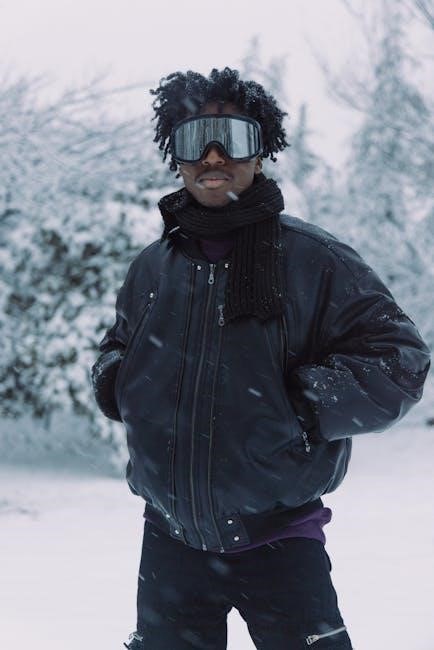
Look for lenses with anti-reflective coatings to further reduce glare and improve clarity. Smith offers clear lenses specifically designed for low-light conditions, ensuring optimal visibility. Prioritize safety by selecting clear lenses and ensuring your goggles fit securely to prevent light leakage. Remember, clear vision is paramount when skiing in the dark.
Lens Coatings: Anti-Fog & Mirroring
Lens coatings significantly enhance goggle performance. Anti-fog coatings are crucial, preventing condensation buildup that obstructs vision. These coatings work by attracting water molecules, spreading them into a thin, transparent film instead of forming fog. Multiple layers often provide superior, longer-lasting anti-fog protection.
Mirroring, or reflective coatings, serves a dual purpose. Firstly, they reduce glare by bouncing light away from the lens, improving visual comfort in bright conditions. Secondly, mirroring enhances style, offering a wide range of aesthetic options. Different mirror colors don’t necessarily alter VLT, but can affect how colors are perceived.
Some coatings combine anti-fog and mirroring for comprehensive protection and style. Consider the climate and typical conditions when choosing coatings. For consistently foggy environments, prioritize a high-quality anti-fog coating. For sunny days, a mirrored lens can significantly improve comfort and visibility.
Impact of Lens Material (Polycarbonate vs. Trivex)
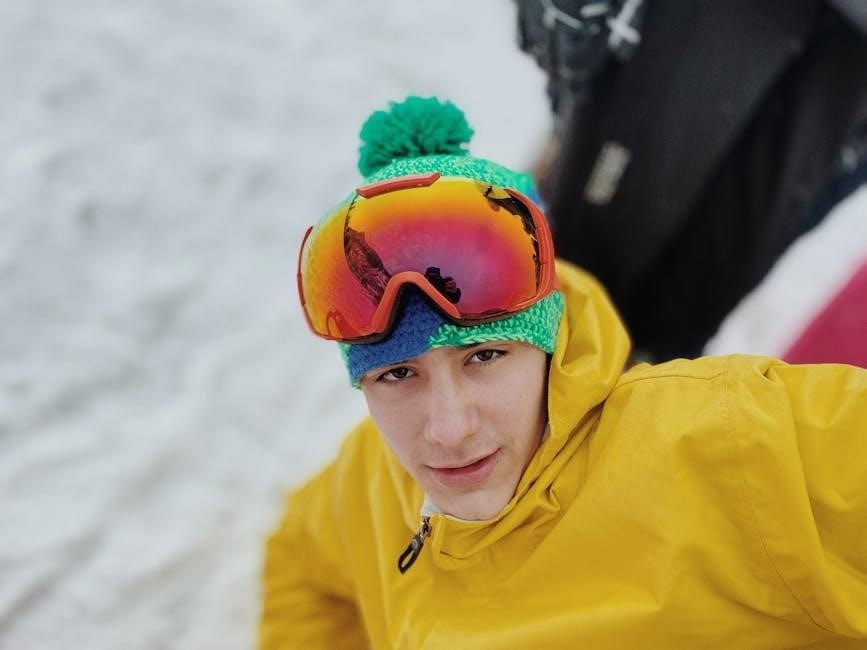
Snow goggle lenses are primarily constructed from polycarbonate or Trivex materials, each offering distinct advantages. Polycarbonate is the more common and affordable option, known for its exceptional impact resistance – crucial for protecting your eyes from debris and crashes. It’s relatively lightweight, but can exhibit slight distortion, particularly at the edges of the lens.
Trivex, a newer material, provides superior optical clarity with virtually no distortion, offering a sharper, more natural view. It’s also incredibly lightweight and boasts even greater impact resistance than polycarbonate. However, Trivex lenses typically come at a higher price point.
The choice between the two often depends on budget and priorities. For recreational skiers and snowboarders, polycarbonate offers excellent protection at a reasonable cost. Those prioritizing ultimate clarity and minimal distortion, or requiring corrective vision lenses, may find Trivex a worthwhile investment.
Goggle Fit and Lens Compatibility
Achieving a secure and comfortable goggle fit is paramount for optimal performance and preventing issues like fogging or discomfort; A proper fit ensures a complete seal around your face, blocking wind, snow, and glare. Consider your face shape – some goggles are designed for narrower or wider faces.
Lens compatibility is also crucial. Many goggles feature quick-change lens systems, allowing you to easily swap lenses to adapt to varying light conditions. Ensure the replacement lenses are specifically designed for your goggle model to guarantee a secure and proper fit. Universal lenses may exist, but compatibility isn’t always assured.
Pay attention to the goggle’s frame size and shape, and how it integrates with your helmet. A seamless integration prevents gaps that can let in cold air or snow. Regularly check the condition of your goggle’s seals and straps to maintain a consistent, reliable fit throughout the season.
Resources for Further Research (YouTube & Brand Guides)
For a deeper understanding of snow goggle lens technology, numerous online resources are readily available. YouTube channels dedicated to skiing and snowboarding often feature detailed reviews and comparisons of various goggle models and lens tints. Search for terms like “snow goggle lens guide” or “ski goggle VLT explained” to find informative videos.
Brand websites, such as Smith Optics and Oakley, provide comprehensive guides to their specific lens technologies, like Prizm Snow. These guides often include detailed explanations of color palettes, VLT ranges, and recommended conditions for each lens. Exploring these resources allows you to understand the nuances of each brand’s offerings.
Additionally, evo.com offers helpful articles and guides on selecting the right snow goggles. Don’t hesitate to consult official help centers like the YouTube Help Center for troubleshooting or feature explanations. These resources empower you to make an informed decision.