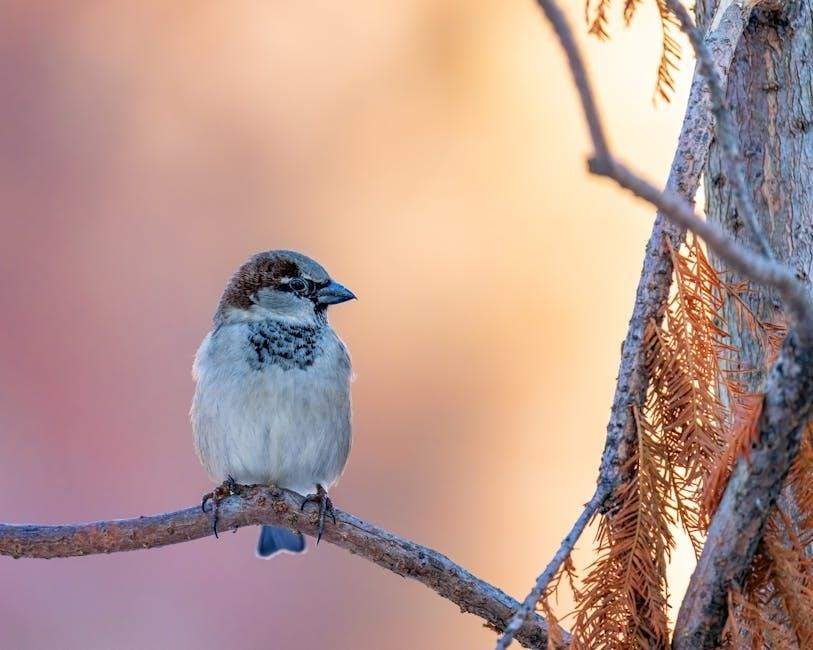
Welcome to the enchanting world of backyard birdsong! This guide unlocks the secrets of avian melodies, helping you distinguish between songs and calls.
Discover how to identify common UK garden birds through their unique vocalizations, enhancing your appreciation for nature’s orchestra.
What is Birdsong?
Birdsong, fundamentally, is the vocal communication produced by birds. However, it’s much more than simple noise; it’s a complex and nuanced form of expression, often associated with attracting mates and defending territory. Unlike basic calls, which serve practical purposes like alarm signals or contact maintenance, birdsong is typically longer, more varied, and melodious.
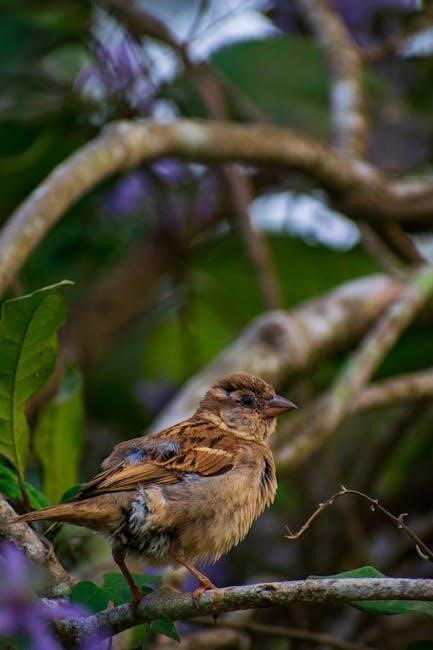
These intricate vocalizations are often delivered by male birds during breeding season, showcasing their fitness and genetic quality to potential partners. The complexity of a song can indicate a bird’s age, experience, and overall health. Birdsong isn’t innate; many species learn their songs from their fathers or other adult males, leading to regional dialects and variations.
Understanding birdsong opens a window into the hidden lives of these fascinating creatures, transforming a simple backyard into a vibrant concert hall. It’s a skill that deepens our connection with the natural world and allows us to appreciate the subtle beauty around us.
Birdsong vs. Bird Calls: Understanding the Difference
Distinguishing between birdsong and bird calls is crucial for accurate identification and a deeper understanding of avian communication. While both are vocalizations, they serve different purposes and possess distinct characteristics.
Bird calls are generally short, simple, and abrupt. They often convey immediate information – an alarm warning, a request for food, or maintaining contact within a flock. Think of a robin’s “chip” or a crow’s “caw.” These are functional and essential for daily life.
Birdsong, conversely, is more elaborate, musical, and often longer in duration. It’s primarily used for attracting mates and establishing territory. Songs are frequently more complex and varied, showcasing the bird’s vocal abilities. Recognizing this difference allows you to interpret the meaning behind the sounds you hear, moving beyond simply noting that a bird is present to understanding why it’s vocalizing.
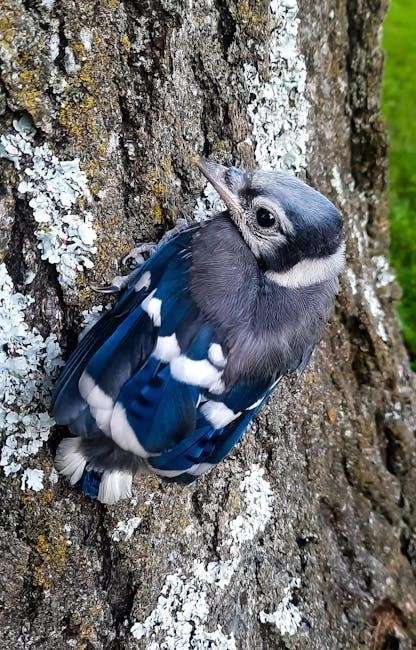
Common UK Garden Birds and Their Songs
Let’s explore the delightful melodies of familiar UK garden birds! We’ll delve into the unique songs of blackbirds, robins, goldfinches, and others, aiding identification.
The Blackbird’s Melodious Song
The Eurasian Blackbird (Turdus merula) is renowned for its rich, fluting song. Often described as one of the most beautiful sounds in the British countryside, the male blackbird’s song is a complex and varied performance.
Typically, the song begins with a series of clear, whistling notes, often delivered from a prominent perch. These initial phrases are followed by a more complex series of warbles, trills, and mimicry of other bird species. The blackbird’s song isn’t just about attracting a mate; it also serves to establish and defend territory.
Listen for a song that’s full of character, with a distinct, mellow quality. Variations in the song can indicate the individual bird and even its location. The blackbird’s song is most frequently heard during the spring and summer months, filling gardens with its captivating melody. Recognizing this song is a wonderful step towards appreciating the birdsong around you.
Recognizing the Robin’s Sweet Tune
The European Robin (Erithacus rubecula) possesses a surprisingly varied and enchanting song for its small size. Often associated with Christmas imagery, the robin’s song is a year-round presence in many UK gardens, though most prominent during the breeding season.
The robin’s song is characterized by a clear, bell-like quality, often described as a series of liquid phrases. It’s not a complex song like the blackbird’s, but it’s remarkably sweet and recognizable. Robins will often sing throughout the day, even in winter, defending their territory.
Listen for a song that rises and falls in pitch, with a gentle, warbling quality. Individual robins have slight variations in their songs, adding to the charm. The robin’s song is a comforting and familiar sound, a true hallmark of the British countryside. Learning to identify it brings a deeper connection to your garden’s wildlife.
The Goldfinch’s Lively Chatter
The Goldfinch (Carduelis carduelis) is a vibrant and sociable bird, and its song reflects its cheerful nature. Unlike the melodic songs of some other garden birds, the Goldfinch’s vocalization is more of a lively chatter – a series of twittering and bubbling notes.
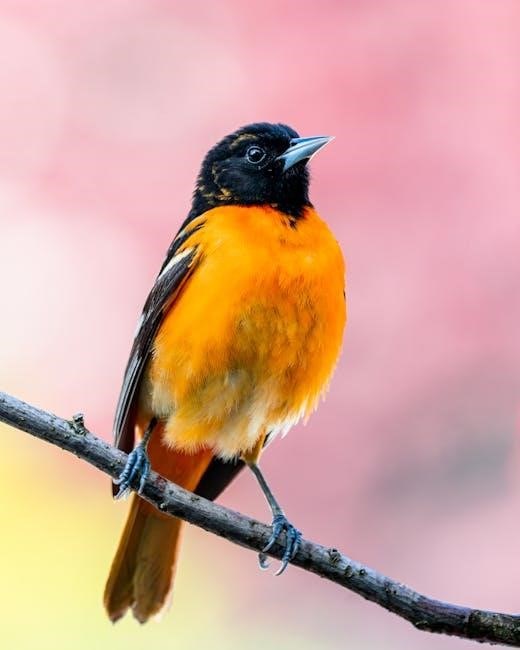
Described as a “perky” and “bouncy” sound, the Goldfinch’s song is often delivered while perched on a prominent branch. It’s a rapid, undulating series of calls, sometimes resembling a miniature waterfall. They often accompany their song with short, quick flights.
While not a complex melody, the Goldfinch’s song is instantly recognizable and adds a delightful energy to the garden soundscape. Listen for a continuous stream of cheerful, high-pitched notes. Identifying this lively chatter will quickly enhance your bird recognition skills and appreciation for these beautiful birds.
Identifying the Chaffinch’s Descending Trill
The Chaffinch (Fringilla coelebs) is a common and beloved garden bird, easily identified by its distinctive song. Its most recognizable vocalization is a bright, descending trill – a series of notes that seem to cascade downwards in pitch.
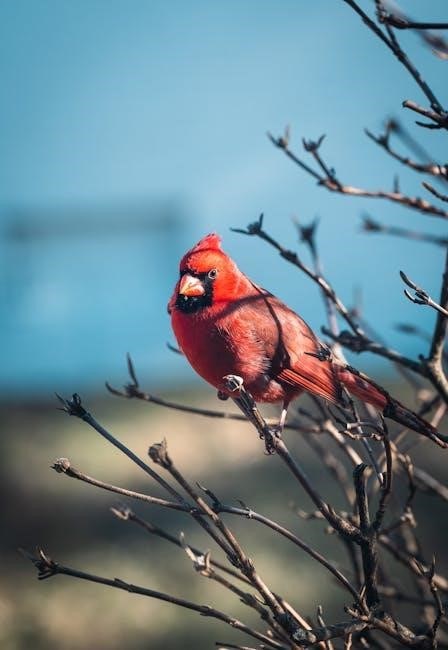
This trill often begins with a clear, ringing tone and then gradually lowers in frequency, creating a musical “chiff-chaff” effect (hence the name!). The song is typically delivered by the male Chaffinch, often from a prominent perch, as a way to attract a mate and defend his territory.
Variations exist, but the descending quality is consistent. Learning to recognize this trill is a key step in identifying birdsong in your garden. It’s a cheerful and relatively simple song, making it a great starting point for beginner birders. Listen carefully for that characteristic downward slope!
The Blackcap’s Varied and Complex Song
The Blackcap (Sylvia atricapilla) presents a more challenging birdsong identification due to the complexity and variability of its vocalizations. Unlike simpler songs, the Blackcap’s song isn’t a single, easily defined pattern.
It’s often described as a rich, warbling melody, incorporating a wide range of notes, trills, and whistles. Interestingly, Blackcaps exhibit regional dialects – birds in different areas sing slightly different versions of the song! Some even mimic the songs of other birds, adding to the complexity.
The song typically starts with clear, flute-like notes, then develops into a more rambling and improvisational sequence. Experienced birders often describe it as sounding almost ‘fluty’ or ‘liquid’. Patience and repeated listening are key to mastering Blackcap song recognition.
The Wren’s Energetic and Powerful Song
Despite its tiny size, the Wren (Troglodytes troglodytes) boasts an incredibly loud and complex song, disproportionate to its stature. This energetic burst of sound is a remarkable feat of avian vocalization, often described as a rapid, bubbling cascade of notes.
The Wren’s song isn’t a simple tune; it’s a series of trills, rattles, and warbles delivered with astonishing volume and persistence. It’s a remarkably varied song, with individual Wrens incorporating different phrases and variations. Males sing to establish territories and attract mates, often delivering lengthy performances.
Listen for a series of high-pitched, bubbling trills, often delivered from a concealed perch. The song’s complexity makes it challenging to describe, but its sheer energy and volume are unmistakable. It’s a truly captivating sound in any garden.
The Dunnock’s Quiet and Subtle Song
The Dunnock (Prunella modularis), sometimes called the Hedge Sparrow, possesses a song that is often overlooked due to its quiet and subtle nature. Unlike the flamboyant displays of some other garden birds, the Dunnock’s song is a delicate and understated melody.
Described as a gentle warbling or a series of quiet, musical phrases, it’s easy to miss if you’re not actively listening. The song is typically delivered from a hidden perch within dense vegetation, adding to its elusive quality. Dunnocks are known for their complex vocal repertoire, with males often singing multiple song types.
Listen for a soft, warbling tune, often with a descending quality. It’s a more subdued sound compared to the Blackbird or Robin, but its delicate beauty is rewarding to those who take the time to listen closely.
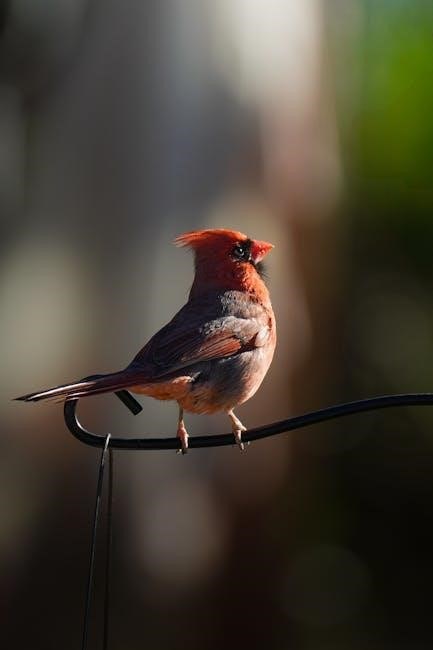
Less Common, But Notable, Birdsongs
Beyond the typical garden chorus, several birds offer unique sounds. Wood Pigeon cooing, Song Thrush’s repeated phrases, and Blue Tit’s high-pitched song add depth.
Wood Pigeon Cooing: A Familiar Sound
The gentle, melancholic cooing of the Wood Pigeon is a ubiquitous sound in many UK gardens and beyond. Often mistaken for a symbol of peace, this vocalization serves several purposes for these common birds.
Unlike the complex songs of other species, the Wood Pigeon’s coo is relatively simple, consisting of a series of low-pitched, resonant notes. Males primarily produce this sound to attract mates and establish territory, broadcasting their presence to potential partners and rivals alike. The cooing can be heard throughout the year, but it’s particularly prominent during the breeding season.
Interestingly, the cooing sound is created not by the vocal cords, but by a specialized structure in the bird’s trachea. This allows for the distinctive, rumbling quality of the call. While seemingly peaceful, the cooing can also be a signal of dominance or a warning to other pigeons. Learning to recognize this familiar sound is a great starting point for any backyard birdsong enthusiast!
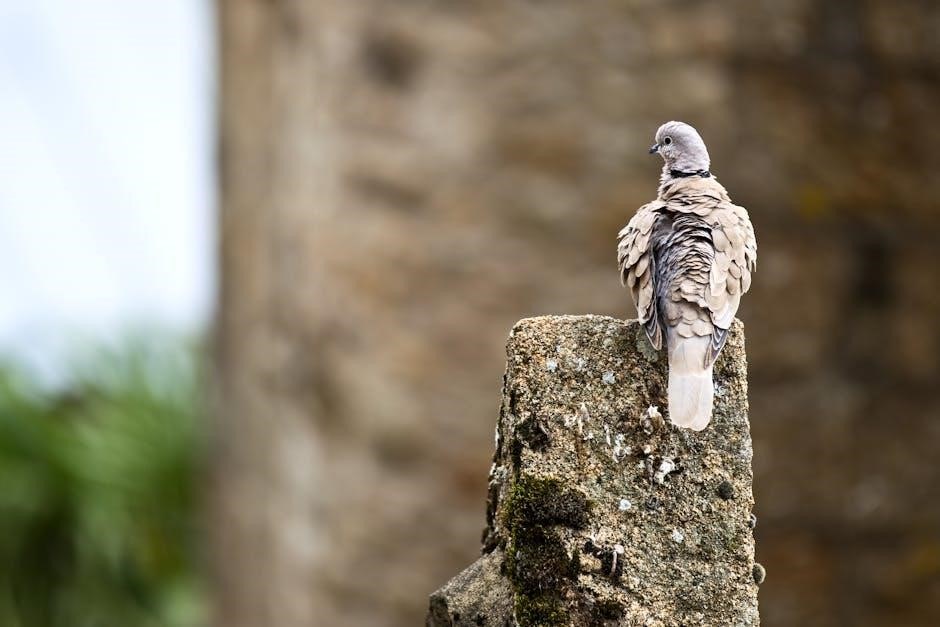
The Song Thrush’s Repeated Phrases
The Song Thrush is renowned for its beautiful and varied song, a true highlight of the British garden soundscape. What sets this bird apart is its tendency to repeat phrases, creating a complex and memorable melody.
Unlike some birds with a single, fixed song, the Song Thrush incorporates a wide range of notes and motifs, often repeating them with slight variations. This repetition isn’t simply mimicry; it’s a deliberate structuring of the song, showcasing the bird’s vocal skill and potentially signaling its quality to potential mates. Listen for clear, flute-like tones interspersed with harsher, rasping sounds.
The Song Thrush’s song is most frequently heard during the spring and summer months, often delivered from a prominent perch. It’s a song that truly embodies the joy and vibrancy of the season. Recognizing these repeated phrases is key to identifying this delightful garden visitor.
Blue Tit’s High-Pitched Song
The Blue Tit’s song is a cheerful and distinctive sound, instantly recognizable by its high-pitched quality. It’s a surprisingly complex vocalization for such a small bird, often described as a series of rapid, twittering notes.
While seemingly simple, the Blue Tit’s song isn’t just a single ‘tit-tit-tit’ call. It’s a varied sequence of phrases, often including a buzzing or scratchy element. Males typically deliver the most elaborate songs, using them to attract females and defend their territory. Listen closely, and you’ll notice subtle differences between individual birds’ songs.
You’ll most commonly hear the Blue Tit’s song during the breeding season, from spring through summer. It’s a frequent visitor to gardens, and its bright, energetic song adds a lively touch to the outdoor environment. Learning to identify this high-pitched melody is a rewarding step in understanding your garden’s birdsong.
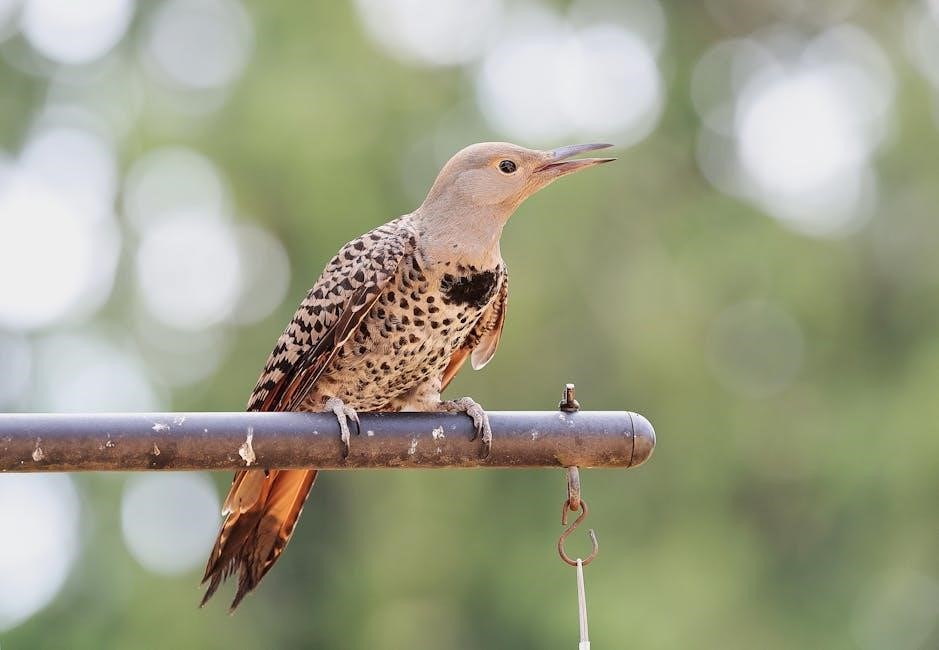
Tools for Learning Birdsong
Numerous resources exist to aid in birdsong identification! CDs like Naturescapes offer recorded songs, while online apps and websites provide audio and visual learning tools.
Using Birdsong Identification CDs
Birdsong identification CDs remain a valuable tool for budding ornithologists. These audio guides, such as the Naturescapes Backyard Birds Identification Guide available at FiddleCreekFarms.com and SongbirdGarden.com, offer a curated collection of naturally recorded bird vocalizations.
Unlike relying solely on digital platforms, CDs provide a focused listening experience, free from the distractions of notifications or internet browsing. Each CD typically features individual recordings of 30-35 common backyard birds, allowing for detailed comparison of songs and calls.
Beginners can benefit from repeatedly listening to specific tracks, gradually associating each sound with its corresponding species. The advantage lies in the high-quality, naturally recorded sounds, offering a more authentic representation of birdsong than some digitally compressed alternatives. This method is particularly useful when learning to differentiate subtle variations within a single species’ repertoire.
Online Resources and Apps for Birdsong Recognition
The digital age offers a wealth of resources for learning birdsong. Numerous websites and mobile applications are dedicated to bird identification, utilizing sophisticated sound analysis technology.
These platforms often feature extensive libraries of bird vocalizations, accompanied by spectrograms – visual representations of sound – which can aid in understanding song structure. Many apps allow users to record birdsong in real-time and receive instant identification suggestions.
While accuracy varies, these tools are continually improving and can be incredibly helpful for quick field identification. Online resources frequently include detailed species accounts, range maps, and additional audio samples. Remember to cross-reference information from multiple sources to ensure accuracy, and supplement digital learning with traditional methods like CDs for a well-rounded approach.
Tips for Improving Your Birdsong Identification Skills
Developing your birdsong recognition takes practice and patience. Start by focusing on a small number of common species, learning their songs thoroughly before expanding your repertoire.
Pay attention to the context of the song – time of day, habitat, and location can provide valuable clues. Try to describe the song in words: is it a whistle, trill, or chirp? Is it ascending or descending in pitch?
Regularly listen to recordings and compare them to what you hear in the field. Don’t be afraid to make mistakes; learning from them is crucial. Consider joining a local birdwatching group or attending workshops to learn from experienced birders. Consistent effort and a keen ear will significantly improve your ability to identify birds by their songs.
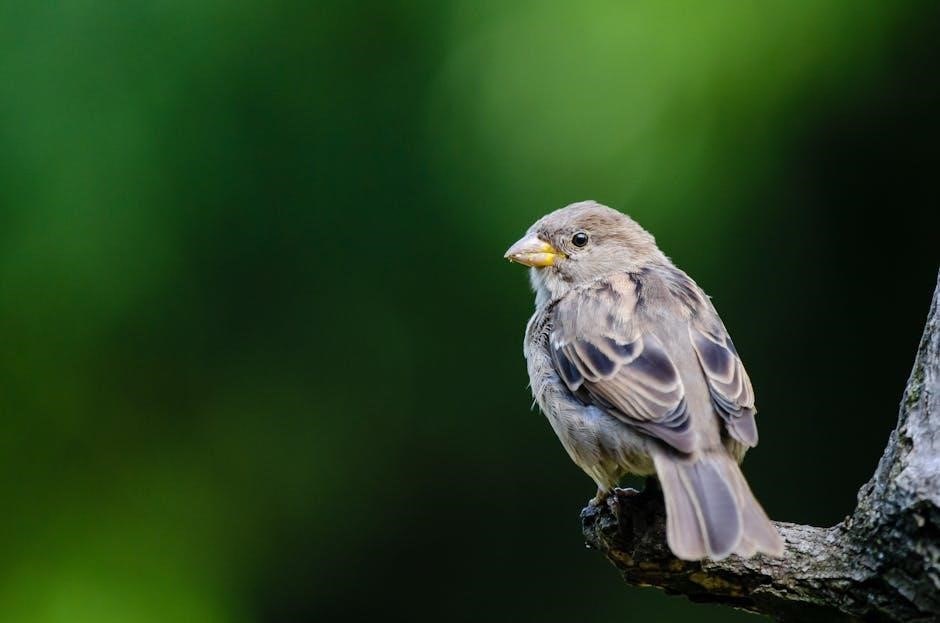
Creating a Bird-Friendly Backyard
Transform your garden into a haven for birds! Strategic landscaping and providing privacy encourages birds to visit, sing, and thrive in your outdoor space.
Landscaping for Birdsong: Attracting Birds to Your Garden
Creating a bird-friendly landscape is surprisingly achievable! Simple backyard landscape ideas can dramatically transform your outdoor space, attracting a wider variety of feathered visitors. Consider incorporating native plants, as these provide natural food sources like berries and seeds, essential for sustaining birds throughout the year.
Layered planting – trees, shrubs, and groundcover – mimics a natural habitat, offering shelter from predators and the elements. A diverse range of plants also attracts a greater variety of insects, a crucial protein source, especially during breeding season. Don’t overlook the value of a water source; a bird bath or small pond provides essential hydration and a place for birds to bathe.
Updating your backyard doesn’t require a major overhaul or expense. Even small changes, like adding a flowering shrub or a patch of wildflowers, can make a significant difference. Fresh air, natural light, and thoughtful landscaping create a welcoming and relaxing environment for both you and the birds!
Providing Privacy for Birds in Your Backyard
Birds need safe spaces to thrive, and privacy is paramount. Backyards that feel secure encourage birds to sing, nest, and raise their young without constant stress. Consider incorporating structures that offer concealment, such as dense shrubs or strategically placed trees. These act as natural barriers, shielding birds from predators and prying eyes.
Pergolas, covered with climbing plants, can create secluded areas within your garden, providing both shade and privacy. A well-placed hedge offers a robust visual and auditory barrier, fostering a sense of security. Remember, birds are more likely to visit and sing in areas where they feel protected from disturbances.
Backyards are wonderful spaces for family and friends, but ensuring birds have their own private sanctuaries is crucial. A balance between open entertaining areas and secluded bird havens will create a harmonious and vibrant garden ecosystem.
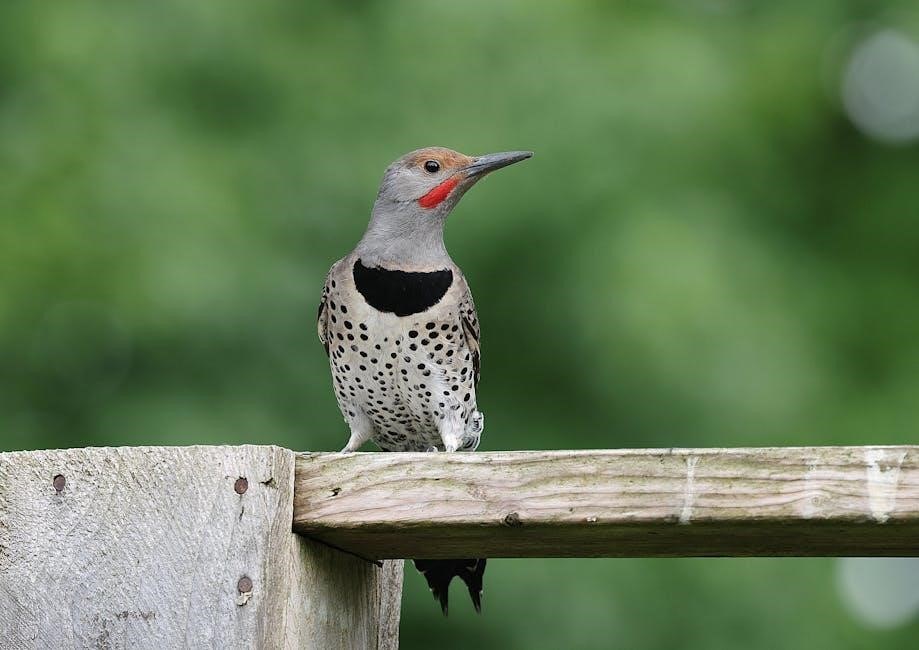
Further Exploration
Continue your birdsong journey! Explore resources like FiddleCreekFarms.com and SongbirdGarden.com for identification guides and expand your knowledge of avian sounds.
Resources for Continued Learning
Delve deeper into the fascinating world of birdsong with a wealth of available resources. Naturescapes Backyard Birds Identification Guide CDs, available at retailers like FiddleCreekFarms.com and SongbirdGarden.com, offer a fantastic starting point.
These audio guides feature naturally recorded songs and calls of 35 common backyard birds, allowing you to learn at your own pace. Beyond CDs, numerous online platforms and mobile applications are dedicated to birdsong recognition.
Websites and apps often provide spectrograms, detailed descriptions, and even quizzes to test your skills. Remember that consistent practice is key to improving your identification abilities. Regularly spending time outdoors, actively listening, and comparing sounds will significantly enhance your understanding. Don’t hesitate to join local birdwatching groups or participate in citizen science projects to connect with fellow enthusiasts and contribute to valuable research!