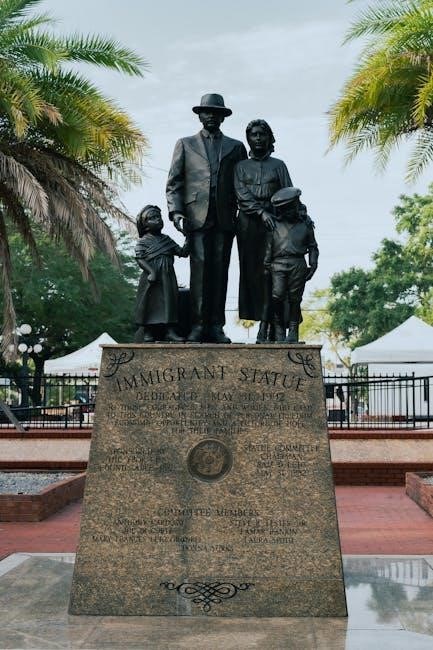
Millions face a harsh reality, where breaking immigration laws—often seen as civil—inflicts genuine harm, impacting identities and lives profoundly, as highlighted recently.
The Scope of the Issue: Numbers and Demographics
Estimating the undocumented population presents significant challenges, yet current data suggests approximately 10.5 million individuals reside in the United States without legal authorization. This figure represents a substantial portion of the overall foreign-born population.
Demographically, undocumented immigrants are not a monolithic group. They originate from diverse countries across Latin America, Asia, Africa, and Europe, with Mexico consistently representing the largest country of origin.
Furthermore, the population includes individuals of all ages, from children brought to the US at a young age to working-age adults and seniors. A significant number have established deep roots within their communities, contributing to the social and economic fabric of the nation for years, even decades.
Defining “Undocumented Immigrant”: Legal Terminology
The term “undocumented immigrant” is widely preferred by advocates and many in the media, emphasizing the lack of required legal documentation rather than framing individuals as inherently “illegal.” However, legal terminology remains complex and often contested.
Immigration law utilizes terms like “unauthorized alien,” “noncitizen,” and “violator of immigration law.” These terms carry different legal weight and implications. “Deportable alien” signifies someone subject to removal proceedings.
It’s crucial to understand that lacking documentation is a civil offense, not a criminal one, though certain actions related to immigration status can trigger criminal penalties. The precise legal definition impacts rights, access to services, and potential pathways to legal status.

Early Life and Journey to the US
Many begin their journeys fleeing hardship, seeking opportunity, or reuniting with family, often leaving behind everything familiar for an uncertain future.
Reasons for Migration: Push and Pull Factors
The decision to migrate is rarely simple, driven by a complex interplay of “push” and “pull” factors. “Push” factors often involve escaping difficult circumstances in one’s home country – pervasive poverty, political instability, widespread violence, and lack of opportunities are common motivators. These conditions create an environment where remaining feels unsustainable, forcing individuals to seek alternatives elsewhere.
Conversely, “pull” factors represent the perceived benefits of a new location, such as economic prospects, political freedom, educational opportunities, and the promise of a better life. The United States, for many, embodies these aspirations, offering potential for financial stability and personal growth. Family reunification also plays a significant role, with individuals seeking to join loved ones already established in the US. Ultimately, migration is a response to a perceived imbalance between hardship at home and hope abroad.
The Perilous Journey: Risks and Challenges
The journey to the United States for undocumented immigrants is fraught with danger and hardship. Often, individuals embark on long and arduous treks across harsh terrains, facing extreme weather conditions, and the constant threat of encountering criminal organizations. Smuggling networks frequently exploit vulnerable migrants, demanding exorbitant fees and subjecting them to physical and emotional abuse.
Dehydration, starvation, and exposure are ever-present risks, particularly when crossing deserts or navigating remote areas. The possibility of encountering dangerous wildlife or becoming lost is also significant. Beyond the physical dangers, migrants face the emotional toll of leaving behind their families and communities, enduring uncertainty, and grappling with the fear of apprehension and deportation. This journey demands immense courage and resilience.
Initial Experiences: Arrival and Settlement
Upon arrival, undocumented immigrants often face a stark transition to a new and unfamiliar environment. Initial settlement frequently involves seeking refuge within established immigrant communities, providing a crucial support network and a sense of belonging. Finding affordable housing is a major hurdle, often leading to overcrowded and substandard living conditions.
The immediate need to secure employment, even in exploitative circumstances, is paramount. Language barriers and lack of recognized credentials present significant obstacles to finding stable, well-paying jobs. Navigating daily life—accessing basic necessities, understanding local laws, and building social connections—requires immense resourcefulness and adaptation. The initial period is marked by vulnerability and a constant need for caution.

Navigating Daily Life Without Status
Daily existence is defined by constant vigilance and adaptation, requiring careful navigation of systems designed without consideration for those lacking legal status.
Employment Challenges: Limited Opportunities & Exploitation
Finding work presents immense hurdles, often restricted to physically demanding jobs with minimal pay and lacking basic protections afforded to documented workers. The fear of exposure constantly looms, creating a power imbalance easily exploited by unscrupulous employers.
Many are forced to accept wages below minimum wage, endure unsafe working conditions, and remain silent about abuses for fear of deportation. This vulnerability extends to all aspects of employment, from initial hiring to potential disputes over pay or wrongful termination. The lack of legal recourse leaves individuals with few options when faced with exploitation, perpetuating a cycle of hardship and dependence.
Opportunities for advancement are virtually nonexistent, trapping individuals in low-skill, low-wage positions, hindering their ability to improve their economic standing and contribute fully to society.
Access to Healthcare: Barriers and Consequences
Securing adequate healthcare is a significant struggle, with limited access due to financial constraints, lack of insurance, and fear of interacting with authorities. Many emergency rooms become the primary, and often only, source of medical attention, leading to costly and inefficient care.
Preventative care is largely inaccessible, resulting in delayed diagnoses and treatment of manageable conditions, which then escalate into more severe and expensive health crises. This creates a public health risk, as untreated illnesses can spread within communities. The fear of deportation discourages many from seeking necessary medical attention, even in life-threatening situations.
This systemic denial of healthcare perpetuates health disparities and undermines the well-being of undocumented individuals and the communities they inhabit.
Education Access: K-12 and Higher Education Hurdles
While K-12 education is generally guaranteed to all children regardless of immigration status, undocumented students face unique challenges. These include language barriers, cultural adjustments, and the emotional stress of navigating life without legal status, impacting academic performance.
Access to higher education presents even greater obstacles. Undocumented students are often ineligible for federal financial aid and face significantly higher tuition costs, making college unaffordable. Many states restrict access to public universities, further limiting opportunities for advancement.
Despite these hurdles, many demonstrate remarkable resilience, pursuing education as a pathway to a better future, often relying on private scholarships and community support.

The Legal Landscape and Fear of Deportation
Navigating complex immigration laws fuels constant anxiety; the threat of ICE raids, detentions, and deportations looms large, impacting daily life and future prospects.
Immigration Laws and Policies: A Complex System
The United States immigration system is notoriously intricate, a patchwork of federal laws, regulations, and court decisions evolving over decades. It distinguishes between lawful permanent residents, temporary visa holders, and those without authorization. Understanding these distinctions is crucial, yet often incredibly difficult for those directly impacted.
Laws like the Immigration and Nationality Act (INA) form the foundation, but are subject to frequent amendments and interpretations. Policies shift with each administration, creating uncertainty and impacting enforcement priorities. The system involves multiple agencies – USCIS, CBP, ICE – each with specific roles, often leading to bureaucratic hurdles and lengthy processing times.
Furthermore, state and local laws can intersect with federal immigration policies, adding another layer of complexity. This convoluted system frequently leaves individuals vulnerable and facing significant legal challenges, even when they have strong ties to the community.
The Threat of ICE: Raids, Detentions, and Deportations
Immigration and Customs Enforcement (ICE) represents a constant source of fear for undocumented communities. ICE’s enforcement actions, including workplace raids and targeted operations, disrupt families and instill widespread anxiety. Detention centers, often criticized for harsh conditions, hold individuals awaiting deportation proceedings, sometimes for extended periods.
Deportation isn’t merely a legal process; it’s a traumatic event severing ties to family, employment, and community. Even long-term residents with no criminal record are vulnerable. The expansion of ICE’s authority under various administrations has broadened deportation criteria, increasing the risk for many.
The fear of encountering ICE permeates daily life, influencing decisions about work, travel, and even seeking medical attention, creating a climate of insecurity and vulnerability.
DACA and Other Relief Programs: Hope and Uncertainty
The Deferred Action for Childhood Arrivals (DACA) program offered a beacon of hope for many brought to the US as children, providing temporary protection from deportation and work permits. However, DACA’s future remains perpetually uncertain, subject to legal challenges and shifting political winds.
Other relief programs, like Temporary Protected Status (TPS), offer temporary safe haven to individuals from countries experiencing conflict or natural disasters, but these too are often precarious. The constant threat of program termination creates immense stress and instability for recipients.
These programs, while vital, represent partial solutions, leaving many undocumented individuals without any form of legal protection, highlighting the need for comprehensive immigration reform.

Psychological and Emotional Toll
Living undocumented fosters constant stress and fear, impacting mental health; family separation exacerbates trauma, demanding robust community support for emotional wellbeing.
The Constant Stress of Living in the Shadows
The daily existence of an undocumented individual is permeated by a relentless, underlying anxiety. This isn’t a fleeting worry, but a pervasive state of hyper-vigilance, stemming from the ever-present fear of exposure and potential deportation. Simple interactions – a traffic stop, a request for identification – can trigger intense panic.
This chronic stress manifests in numerous ways, impacting both mental and physical health. Sleep disturbances, heightened anxiety levels, and symptoms of depression are common. The inability to plan for the future, to openly pursue opportunities, or to fully participate in society creates a sense of powerlessness and hopelessness.
Furthermore, the need to conceal one’s status from friends, neighbors, and even potential partners adds a layer of social isolation, hindering the formation of genuine connections and support networks. This constant self-censorship is emotionally exhausting and erodes one’s sense of self.
Family Separation and its Impact
The specter of family separation looms large for undocumented communities, a devastating consequence of immigration enforcement policies. Deportation doesn’t just remove an individual; it fractures families, leaving behind spouses, children, and parents grappling with profound loss and instability. Children, in particular, suffer immensely, experiencing emotional trauma, anxiety, and behavioral problems.
The absence of a parent can lead to financial hardship, impacting access to education, healthcare, and basic necessities. Furthermore, the remaining parent often faces the burden of single parenthood, coupled with the fear of their own potential deportation. This creates a cycle of vulnerability and instability.
The emotional scars of separation can last a lifetime, impacting family dynamics and hindering the healthy development of children. The longing for reunification, often uncertain and prolonged, adds another layer of pain and anguish.
Community Support Networks: Finding Strength in Numbers
In the face of systemic challenges, undocumented communities demonstrate remarkable resilience, forging robust support networks. These networks, often grassroots organizations and faith-based groups, provide crucial assistance navigating complex legal processes, accessing limited resources, and coping with emotional distress.
They offer safe spaces for sharing experiences, building solidarity, and advocating for collective rights. Language assistance, legal referrals, and emotional counseling are common services. These networks become surrogate families, offering a sense of belonging and reducing the isolation often experienced by those living in the shadows.
Mutual aid initiatives, like food banks and financial assistance programs, further strengthen community bonds and provide a vital safety net. These networks are essential for survival and empowerment.

Financial Strain and Economic Contributions
Undocumented individuals face limited financial access, yet significantly contribute to the economy through labor and taxes, despite systemic barriers to full participation.
Limited Access to Financial Services
The lack of legal status creates substantial hurdles for undocumented immigrants seeking basic financial services. Opening bank accounts often proves difficult, requiring identification that many do not possess, leading to reliance on costly alternatives like check-cashing services.
Securing loans, mortgages, or even credit cards is exceptionally challenging, hindering their ability to build assets or invest in their futures. This financial exclusion limits economic mobility and perpetuates cycles of poverty. Furthermore, the fear of scrutiny discourages interaction with formal financial institutions.
Consequently, undocumented individuals are often forced to operate within a cash-based economy, making them vulnerable to exploitation and hindering their ability to contribute fully to the formal economic system.
Undocumented Workers’ Contributions to the Economy
Despite facing systemic barriers, undocumented immigrants are vital contributors to the US economy, filling critical labor gaps in sectors like agriculture, construction, and hospitality. They often undertake essential jobs that native-born workers are unwilling or unable to do, bolstering economic output and productivity.
Their labor supports numerous industries and contributes significantly to the nation’s Gross Domestic Product (GDP). Moreover, they pay billions in taxes annually – income, sales, and property taxes – further fueling public services and infrastructure.
These contributions demonstrate their economic value, highlighting the potential benefits of comprehensive immigration reform and pathways to legal status.

The Impact of Anti-Immigrant Sentiment
Prejudice and discriminatory rhetoric create hostile environments, fostering fear and impacting daily experiences for undocumented individuals and communities nationwide, causing real harm.
Discrimination and Prejudice: Everyday Experiences
Undocumented immigrants frequently encounter subtle and overt forms of discrimination woven into the fabric of daily life. This manifests in various ways, from wary glances and hushed whispers to outright denial of services or opportunities. Simple interactions, like renting an apartment or applying for a job, can become fraught with anxiety and potential rejection based solely on immigration status.
Many report experiencing prejudice in educational settings, where fear of exposure can hinder participation and access to resources. Socially, undocumented individuals may self-segregate to avoid uncomfortable encounters or potential legal repercussions. The constant need to remain vigilant and conceal one’s status creates a pervasive sense of otherness and isolation, eroding self-worth and fostering a climate of fear within communities.
Political Rhetoric and its Consequences
The current political climate significantly impacts the lives of undocumented immigrants, often fueled by divisive rhetoric that demonizes and scapegoats entire communities. Inflammatory language used by politicians and media outlets contributes to a hostile environment, normalizing prejudice and fostering fear. This rhetoric directly translates into stricter policies, increased enforcement efforts, and a heightened sense of vulnerability.
The consequences are far-reaching, extending beyond legal ramifications to encompass emotional and psychological distress. Families live in constant fear of separation, and communities become increasingly distrustful of authorities. Such narratives also impede progress towards comprehensive immigration reform, perpetuating a cycle of uncertainty and marginalization for millions residing within the nation’s borders.

Resources and Advocacy Groups
Numerous organizations champion immigrant rights, offering vital legal aid and support services to navigate complex systems and advocate for just policies.
Organizations Providing Legal Assistance
Accessing competent legal representation is crucial for undocumented individuals facing complex immigration laws and potential deportation. Several organizations dedicate themselves to providing free or low-cost legal services. The Immigrant Legal Resource Center (ILRC) offers training and resources for attorneys, strengthening the legal support network.
Furthermore, organizations like the National Immigration Law Center (NILC) engage in policy advocacy and litigation to defend and advance the rights of immigrants. Local community-based legal aid societies frequently offer direct representation in immigration court proceedings. These groups assist with asylum claims, deportation defense, and applications for available relief programs. Finding reliable legal counsel can significantly impact an individual’s future and ensure fair treatment under the law, especially given the intricacies of the system.
Community Organizations Offering Support Services
Beyond legal aid, numerous community organizations provide vital support services to undocumented immigrants navigating daily life challenges. These groups offer assistance with essential needs like food, shelter, and clothing, addressing immediate hardships. Many provide language classes, helping individuals integrate and access resources.
Mental health services are also increasingly available, recognizing the significant psychological toll of living in the shadows. Organizations frequently facilitate support groups, fostering a sense of community and shared experience. They also connect individuals with healthcare providers and educational opportunities. These grassroots efforts are essential in empowering undocumented communities and promoting their well-being, offering a lifeline beyond formal legal channels.