
Guitar Guide: A Comprehensive Overview
Embarking on a guitar journey is exciting! This guide simplifies choosing your first instrument, covering acoustic, electric options, and essential accessories for a rewarding experience.
Choosing Your First Guitar
Selecting your initial guitar is a pivotal step! It’s a thrilling, yet potentially overwhelming, experience with numerous options available. Remember, every accomplished guitarist began as a beginner, and a solid start is crucial for sustained motivation. Consider your musical preferences – do you gravitate towards acoustic melodies or the amplified sounds of electric genres?
Generally, three types stand out for beginners: steel-string acoustics, nylon-string (classical) guitars, and electric guitars. Steel-string acoustics are ideal if you adore acoustic music, offering a direct and resonant sound. However, they can require more finger strength initially. Nylon-string guitars are known for their softer strings, making them gentler on fingertips, perfect for classical or fingerstyle playing.
Electric guitars often present easier playability due to thinner strings and lower action. Don’t hesitate to explore different options and find what feels most comfortable and inspiring. Your first guitar should be an instrument you want to pick up and play regularly!
Acoustic vs. Electric: Which is Right for You?
The age-old question for aspiring guitarists! The choice between acoustic and electric hinges on your musical inclinations and desired playing experience. Acoustic guitars offer a self-contained experience – no amplification needed – making them excellent for singer-songwriters and those who appreciate a raw, natural tone.
However, acoustic strings can be tougher on beginners’ fingers, demanding more initial strength. Electric guitars, conversely, typically feature thinner strings and lower action, resulting in easier fretting and bending. They require an amplifier and cable, adding to the initial investment, but unlock a vast sonic palette through effects and tonal shaping.
If you’re drawn to rock, blues, or metal, an electric guitar is a natural fit. For folk, country, or classical styles, an acoustic might be preferable. Ultimately, the “best” choice is subjective; consider what inspires you and what kind of music you envision yourself playing. Don’t be afraid to try both!
Steel-String Acoustic Guitars
The workhorse of many musical genres, steel-string acoustics are renowned for their bright, resonant tone and versatility; These guitars are ideal for strumming chords, fingerpicking, and a wide range of playing styles, from folk and country to blues and rock. They project sound powerfully, making them suitable for both solo performance and ensemble playing.
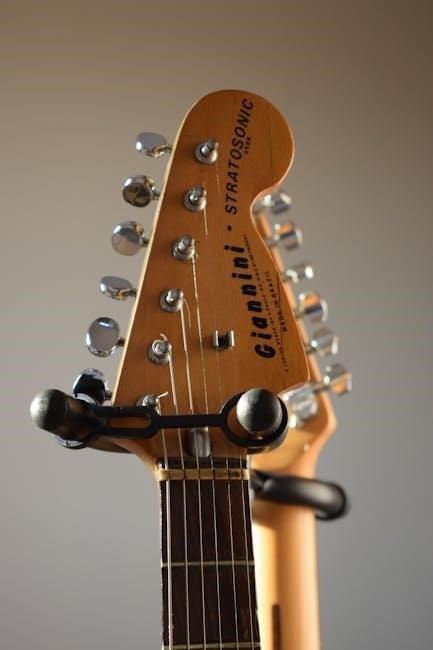
However, the steel strings themselves can present a challenge for beginners. They require more finger strength and can cause initial discomfort. Gradually building calluses is essential. Common body shapes include dreadnought (loud and full-bodied), concert (balanced and comfortable), and grand auditorium (versatile and articulate).
When selecting a steel-string acoustic, consider the wood combination – spruce tops are common for brightness, while mahogany backs and sides offer warmth. Look for a comfortable neck profile and a well-setup instrument to ensure ease of play. Proper care, including humidity control, is crucial for longevity.
Nylon-String (Classical) Guitars
Often the first choice for aspiring classical and flamenco players, nylon-string guitars offer a softer, warmer tone compared to their steel-string counterparts. The nylon strings are significantly easier on the fingers, making them an excellent option for beginners, particularly those with sensitive fingertips. They require less finger strength initially, allowing for quicker progress in learning chords and melodies.
Classical guitars typically feature a wider neck than steel-string acoustics, which can take some getting used to. This wider spacing accommodates the complex fingerstyle techniques common in classical music. The body shape is generally smaller and more intimate, focusing the sound towards the player.
These guitars are perfect for exploring classical repertoire, bossa nova, and fingerpicking styles. While not as loud as steel-strings, they offer a beautiful, nuanced sound. Regular cleaning and proper string maintenance are key to preserving their tone and playability.
Electric Guitar Considerations for Beginners
Electric guitars present a different experience for newcomers, often perceived as easier to play due to thinner strings and lower action. This reduced string tension requires less finger pressure, facilitating chord formation and faster learning. However, an electric guitar is rarely a complete package; it necessitates additional equipment like an amplifier, cable, and potentially effects pedals.
When selecting your first electric, consider the body style – Stratocasters and Les Pauls are popular choices, each offering distinct tonal characteristics. Pickups play a crucial role in shaping the sound, with single-coil pickups providing a bright, clear tone and humbuckers delivering a thicker, more powerful sound.
Beginners should also think about neck types; a slimmer neck profile can be easier to navigate. Don’t underestimate the importance of a comfortable weight and overall feel. Exploring different options at a local music store is highly recommended before making a purchase.
Essential Guitar Accessories for Beginners
Beyond the guitar itself, several accessories are crucial for a fulfilling beginner experience. A quality guitar pick is paramount – experiment with different thicknesses to find what suits your playing style. A tuner, either clip-on or digital, ensures your guitar remains in pitch, vital for ear training and playing with others.

A gig bag or hard case provides protection during transport and storage. A guitar strap is essential for playing while standing, and a comfortable strap will enhance your practice sessions. For electric guitar players, a cable to connect the guitar to the amplifier is non-negotiable.
Consider a guitar stand to safely display and readily access your instrument. Additional helpful items include extra strings, a string winder, and a polishing cloth to maintain your guitar’s appearance and longevity. These accessories, while seemingly small, significantly contribute to a positive learning journey.
Understanding Guitar Sizes: Finding the Right Fit
Choosing the correct guitar size is vital, especially for beginners, ensuring comfort and playability. Guitars aren’t one-size-fits-all; they come in various scales tailored to different ages and body types. Full-size guitars (4/4) are standard for adults and older teenagers, offering a full range of tones and comfortable string spacing.

However, smaller sizes are available. A 3/4 size guitar is excellent for younger teenagers and smaller adults, providing easier reach and reduced strain. Even smaller 1/2 and 1/4 size guitars cater to children, making learning accessible from a young age.
Consider your arm length and hand size when selecting a size. A guitar that’s too large can be difficult to manage, hindering progress. Conversely, a guitar that’s too small might limit your technique. Trying out different sizes in a music store is highly recommended to find the perfect fit for your individual needs and comfort.
Popular Guitar Brands for Beginners
Several brands consistently deliver quality beginner guitars, offering excellent value and playability. Squier, a Fender affiliate, is renowned for its affordable Stratocaster and Telecaster models, providing a taste of classic Fender tones without a hefty price tag. They are a fantastic entry point into the electric guitar world.
Yamaha guitars are celebrated for their consistent quality and reliability. Yamaha offers a diverse range of acoustic and electric guitars suitable for beginners, known for their comfortable necks and balanced sound. They represent a safe and dependable choice.
Epiphone, a Gibson subsidiary, provides accessible versions of iconic Gibson designs like the Les Paul and SG. These guitars offer a similar aesthetic and feel to their more expensive counterparts, making them appealing to aspiring rock and blues players. Exploring these brands provides a solid foundation for any budding guitarist.
Squier Guitars
Squier guitars stand out as an exceptional choice for beginners seeking affordability and quality. As Fender’s value-driven brand, Squier replicates the iconic designs of Stratocasters and Telecasters, offering a genuine Fender experience at a fraction of the cost. This makes them incredibly accessible for those starting their musical journey.
Squier Affinity Series provides a particularly strong entry point, boasting comfortable necks and reliable hardware. These guitars are designed for ease of play, encouraging beginners to develop their skills without frustration. The range of colors and styles available also allows for personalization.

Beyond affordability, Squier guitars offer surprising versatility. They can handle various genres, from rock and blues to pop and country, making them a great all-around instrument for exploring different musical styles. Squier truly delivers exceptional value, making them a top recommendation for first-time guitar buyers.
Yamaha Guitars
Yamaha consistently earns praise for producing reliable, high-quality instruments, and their guitars are no exception. They are a fantastic option for beginners, offering a blend of craftsmanship, playability, and affordability that’s hard to beat. Yamaha’s commitment to quality control ensures that each guitar meets stringent standards.
The Yamaha Pacifica series is particularly well-regarded among beginners. These guitars feature comfortable necks, versatile pickups, and a range of finishes to suit different tastes. They are designed to be easy to play, encouraging new guitarists to practice and improve their skills.
Yamaha guitars aren’t just beginner-friendly; they also offer excellent value for money. They hold their own against more expensive brands, providing a professional sound and feel without the hefty price tag. Choosing a Yamaha means investing in an instrument that will grow with you as your skills develop, offering lasting enjoyment.
Epiphone Guitars
Epiphone has a long and storied history of crafting iconic guitars, often as more affordable versions of the legendary Gibson models. This makes them an excellent choice for beginners who aspire to play like their heroes, offering a taste of classic design and tone without breaking the bank.
The Epiphone Les Paul and SG models are particularly popular among aspiring guitarists. These guitars capture the essence of their Gibson counterparts, providing a similar playing experience and aesthetic appeal. They are known for their warm, powerful sound, making them suitable for a wide range of musical genres.
Epiphone guitars are well-built and reliable, offering a great balance of quality and affordability. They are a fantastic option for beginners who want an instrument that will inspire them to learn and grow as musicians. With Epiphone, you’re getting a piece of guitar history at a price that’s accessible to all.
Guitar Pickups: A Beginner’s Guide
Guitar pickups are essential components that convert the strings’ vibrations into an electrical signal, which is then amplified. Understanding them is crucial, even for beginners, as they significantly impact your guitar’s tone. Different types of pickups offer distinct sonic characteristics.

Humbucker pickups are known for their thick, powerful sound, often favored in rock and metal. They are designed to reduce unwanted noise and provide a high output signal. Single-coil pickups, on the other hand, deliver a brighter, clearer tone, commonly used in blues, country, and funk. They offer a more dynamic response but can be prone to hum.
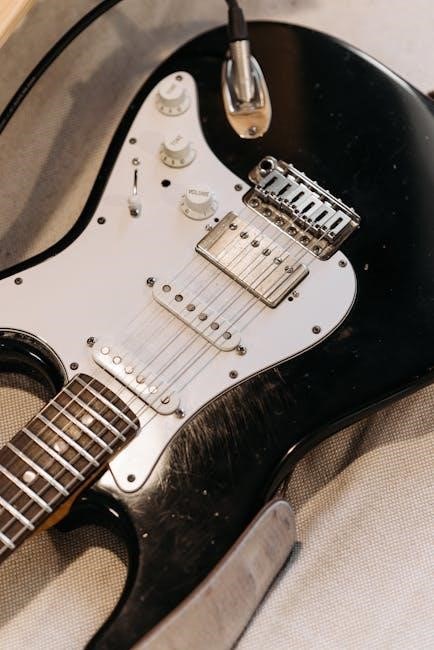
When choosing an electric guitar, consider the type of music you want to play and select pickups accordingly. Many guitars feature a combination of both humbucker and single-coil pickups, offering versatility. Experimenting with different pickups is a great way to discover your preferred sound and unlock your guitar’s full potential.

Neck Types and Their Impact on Playability
The guitar neck’s shape and construction profoundly influence playability and comfort. Understanding different neck types empowers beginners to choose a guitar that suits their hand size and playing style. Three primary neck profiles exist: C-shape, D-shape, and V-shape.
A C-shape neck is the most common, offering a comfortable, rounded feel suitable for various playing techniques. It’s versatile and generally considered beginner-friendly. D-shape necks are flatter and wider, providing more space for complex chords and faster playing, but may require more hand strength.
V-shape necks have a more pronounced “V” contour, offering a vintage feel and excellent grip. However, they can be less comfortable for some players. Neck construction also matters; bolt-on necks are common on Fender-style guitars, while set-neck constructions are found on Gibson-style guitars, impacting sustain and tone. Consider trying different neck profiles to find what feels best in your hand.
Playing Styles and Guitar Choice
Your preferred musical style significantly influences the ideal guitar choice. Different genres lend themselves to specific guitar types and features. For aspiring rock or blues guitarists, an electric guitar, particularly a Stratocaster or Les Paul style, is often preferred. These guitars offer versatility for riffs, solos, and effects-laden tones.
Acoustic guitars are excellent for folk, country, and singer-songwriter styles. Steel-string acoustics provide a bright, resonant sound, while nylon-string (classical) guitars are suited for classical, flamenco, and fingerstyle playing. If you enjoy strumming chords and singing, a steel-string acoustic is a great starting point.
Consider the guitar’s tonal characteristics and pickup configuration. Humbucker pickups deliver a thicker, warmer sound ideal for rock, while single-coil pickups offer a brighter, more articulate tone suitable for blues and country. Ultimately, the best guitar is the one that inspires you to play and matches your musical aspirations.
Maintaining Your Guitar: Basic Care Tips
Regular guitar maintenance is crucial for preserving its playability and longevity. Simple habits can prevent costly repairs and ensure your instrument sounds its best. Always wipe down your guitar after each playing session with a soft cloth to remove fingerprints, sweat, and dust. This prevents corrosion and keeps the finish looking pristine.
Periodically clean the strings with a string cleaner to extend their lifespan and maintain optimal tone. Replace strings when they become tarnished or lose their elasticity. Store your guitar in a case when not in use to protect it from humidity, temperature fluctuations, and physical damage.
Learn basic tuning techniques and check the tuning before each playing session. Consider a humidifier for acoustic guitars, especially in dry climates, to prevent wood cracking. Regularly inspect the guitar for loose screws or hardware and address them promptly.
Resources for Learning Guitar
Numerous resources are available to aid your guitar learning journey, catering to diverse learning styles. Online platforms like YouTube offer a wealth of free tutorials, covering everything from basic chords to advanced techniques. Websites such as JustinGuitar.com provide structured courses for beginners, guiding you step-by-step.
Consider utilizing guitar learning apps like Yousician or Fender Play, which offer interactive lessons and personalized feedback. Local music stores often provide guitar lessons with experienced instructors, offering individualized attention. Don’t underestimate the power of tablature (tab) websites like Ultimate-Guitar.com for learning songs;
Joining a local guitar community or taking group lessons can provide motivation and a supportive learning environment. Explore online forums and social media groups dedicated to guitar playing to connect with fellow musicians and share knowledge. Remember, consistent practice is key, and utilizing a variety of resources can accelerate your progress!
Affiliate Disclosure & Further Learning
Please be aware that this guide may contain affiliate links. This means that if you purchase a product through one of these links, we may earn a small commission at no extra cost to you. These commissions help support the creation of valuable content like this guitar guide, allowing us to continue providing helpful resources for aspiring musicians.
Our recommendations are based on thorough research and genuine belief in the quality of the products. Beyond this guide, continuous learning is crucial for guitar mastery. Explore advanced techniques through dedicated courses, workshops, and masterclasses offered by experienced guitarists.
Delve into music theory to understand the underlying principles of music and enhance your improvisational skills. Consider joining online communities and forums to connect with fellow guitar enthusiasts and share your progress. Remember, the journey of learning guitar is ongoing, and embracing continuous improvement will unlock your full potential!