
Manual handling, encompassing tasks like lifting and carrying, presents significant risks, potentially causing muscle strain as highlighted by recent industry observations.
Effective risk assessment is crucial for safeguarding worker welfare, addressing blind spots and ensuring a safe working environment, as emphasized by engineering managers.
What is Manual Handling?
Manual handling encompasses any transporting or supporting of a load by hand or bodily force. This includes a wide range of activities, from lifting, lowering, pushing, pulling, carrying, and twisting, to holding and restraining. Critically, it extends beyond simply heavy loads; repetitive movements or awkward postures, even with lighter objects, qualify as manual handling tasks.
The risks associated with these actions are substantial, as evidenced by concerns regarding muscle strain from incorrectly lifting tools or feed bags. Industry reports indicate a continued presence of “blind spots” in current practices. Therefore, understanding the scope of manual handling is the first step towards a comprehensive risk assessment. Recognizing these tasks – even seemingly minor ones – is vital for protecting the UK workforce and preventing musculoskeletal disorders.
Why is Risk Assessment Important?
A thorough risk assessment for manual handling is paramount to protect employees from musculoskeletal disorders (MSDs), stemming from strains and injuries. Ignoring these risks can lead to significant pain, suffering, and lost work time, impacting both individual wellbeing and organizational productivity. Recent observations highlight “critical blind spots” within the industry, demonstrating a continued need for vigilance.
Proactive assessment identifies hazards before they cause harm, allowing for the implementation of effective control measures. This aligns with legal obligations and demonstrates a commitment to worker safety. By evaluating tasks like pulling, pushing, and lifting – even seemingly minor ones – organizations can prevent injuries and foster a healthier, more efficient workforce, ultimately safeguarding their most valuable asset: their people.
Identifying Manual Handling Risks
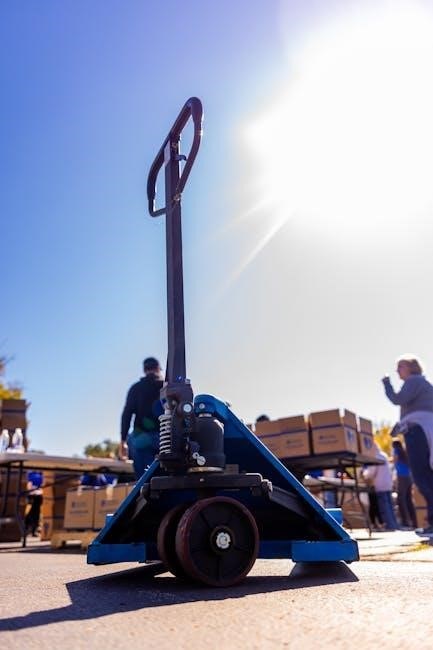
Recognizing hazardous tasks—lifting, pushing, and repetitive motions—is the first step. Careful observation and analysis reveal potential strain points within work processes.
Common Manual Handling Tasks
A wide array of workplace activities fall under manual handling, demanding careful scrutiny during risk assessments. These frequently involve lifting, lowering, pushing, pulling, carrying, and holding loads. Specific examples abound across diverse industries.
In agriculture, tasks like handling bags of feed or fertilizer, as noted in recent reports, pose substantial risks. Construction workers routinely lift and move heavy materials, while warehouse personnel engage in repetitive lifting and stacking. Healthcare professionals frequently assist patients with movement, and delivery drivers constantly load and unload goods.
Even seemingly minor tasks, when repeated frequently or performed with poor technique, can contribute to musculoskeletal disorders. Identifying these common tasks within a specific work environment is paramount for a thorough and effective manual handling risk assessment.
Risk Factors in Manual Handling
Numerous factors contribute to the risk associated with manual handling tasks, extending beyond simply the weight of the load. These elements must be carefully considered during a comprehensive risk assessment to accurately gauge potential harm.
Repetitive movements, as highlighted in industry discussions, significantly increase strain. Forceful exertions, awkward postures, and prolonged static positions also elevate risk. The distance the load is carried and the frequency of handling are crucial considerations.

Environmental factors like slippery floors or poor lighting can exacerbate risks. Individual factors, such as worker fitness and training, play a role. Understanding and addressing these interconnected risk factors is essential for implementing effective control measures and preventing injuries.
The TILEO Framework
The TILEO framework provides a structured approach to evaluating manual handling risks, offering a mnemonic to remember key factors. T stands for Tasks – assessing the specific activity, its duration, and repetition. I represents Individual capabilities – considering the worker’s fitness, training, and any pre-existing conditions.
L focuses on the Load itself – its weight, size, shape, and how easily it can be grasped. E examines the Environment – assessing floor surfaces, lighting, and space constraints. Finally, O concerns the Organisation of the work – including rest breaks, supervision, and workload distribution.
By systematically analyzing each element of TILEO, a thorough risk assessment can identify areas for improvement and inform the selection of appropriate control measures.
Assessing the Risks
A comprehensive risk assessment for manual handling requires a systematic evaluation of potential hazards. This process moves beyond simply identifying tasks involving lifting or carrying; it demands a detailed examination of the associated risks to worker health and safety. Initial assessment often involves observing employees performing their duties to pinpoint potentially hazardous movements or postures.
Quantifying the risk level is crucial, considering both the likelihood of an injury occurring and the severity of that injury. Utilizing established frameworks like TILEO (Tasks, Individual, Load, Environment, Organisation) aids in a structured evaluation.
The assessment should document all findings and serve as the foundation for implementing effective control measures.
Observational Risk Assessment
Observational risk assessment involves directly watching employees perform manual handling tasks in their natural work environment. This ‘hands-on’ approach allows assessors to identify hazards that might be missed through checklists or interviews, such as awkward postures, excessive reaching, or unnecessary twisting.
The assessor should carefully note the frequency and duration of potentially risky movements, as well as the weight and characteristics of the loads being handled. Observing how workers interact with their surroundings – including floor surfaces and available space – is also vital.
Detailed notes and, where possible, video recordings can be invaluable for later analysis and the development of targeted control measures.
Checklist-Based Risk Assessment
Checklist-based risk assessment utilizes a pre-defined list of questions to systematically evaluate manual handling operations. These checklists typically cover key risk factors like load weight, carrying distance, repetitive movements, and the presence of obstructions.
While less dynamic than observational assessments, checklists offer a standardized approach, ensuring all critical areas are considered. They are particularly useful for initial screenings or for assessing a large number of similar tasks.
However, it’s crucial to remember that checklists are tools, not replacements for thorough understanding. Assessors must adapt the checklist to the specific context of the workplace and supplement it with their own observations and expertise to ensure a comprehensive evaluation.

Control Measures for Manual Handling Risks
Implementing robust control measures is vital after risk assessment, encompassing engineering solutions, administrative adjustments, and appropriate personal protective equipment for safety.
Engineering Controls
Engineering controls represent the most effective approach to mitigating manual handling risks, focusing on physically altering the workplace or task to reduce strain. Redesigning the task itself is paramount; this could involve breaking down large loads into smaller, more manageable portions, or altering the layout of a workspace to minimize reaching and twisting.
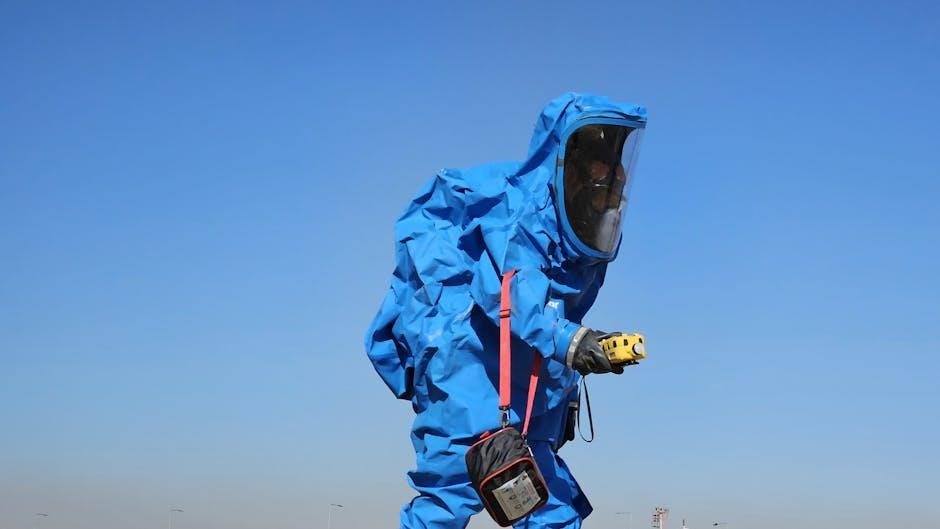
Utilizing mechanical aids is another crucial engineering control. Equipment like forklifts, pallet trucks, hoists, and lifting tables significantly reduce the physical demands placed on workers. These tools transfer the load-bearing responsibility from the individual to the machine, drastically lowering the risk of injury. Careful consideration must be given to selecting the appropriate aid for the specific task and ensuring workers are properly trained in its safe operation. Prioritizing these changes demonstrates a proactive commitment to worker wellbeing and long-term health.
Redesigning the Task
Task redesign is a fundamental engineering control, aiming to eliminate or significantly reduce manual handling risks at the source. This involves a thorough analysis of the work process to identify opportunities for improvement. Breaking down large loads into smaller, more manageable units is a common and effective strategy, lessening the strain on individual workers.
Optimizing workspace layout is equally important, minimizing reaching distances, awkward postures, and unnecessary movements. Re-arranging frequently used items to be within easy reach can dramatically reduce strain. Furthermore, automating repetitive tasks, where feasible, removes the physical demand entirely. Successful redesign requires careful planning, worker input, and a commitment to continuous improvement, ultimately fostering a safer and more efficient work environment.
Using Mechanical Aids
Implementing mechanical aids represents a proactive engineering control, directly reducing the physical demands of manual handling tasks. This encompasses a wide range of equipment, from simple hand trucks and trolleys to sophisticated lifting devices and conveyors. Selecting the appropriate aid depends on the specific task, load weight, and work environment.
Proper training on the safe operation of these aids is paramount, ensuring workers understand their capabilities and limitations. Regular maintenance is also crucial to guarantee reliable performance and prevent accidents. By transferring the load-bearing responsibility to machinery, the risk of muscle strain and injury is substantially minimized, contributing to a healthier and more productive workforce. Investing in mechanical aids demonstrates a commitment to worker wellbeing and efficient operations.
Administrative Controls
Administrative controls complement engineering solutions by focusing on how work is organized and performed. Establishing clear, safe work procedures is fundamental, detailing the correct lifting techniques, load positioning, and movement paths. These procedures should be readily accessible and consistently enforced.
Comprehensive training and education programs are vital, equipping employees with the knowledge to recognize risks and apply safe practices. This includes instruction on proper body mechanics, load assessment, and the use of available aids. Regular refresher courses reinforce these principles. Furthermore, promoting a culture of open communication, where workers feel comfortable reporting potential hazards, is essential for continuous improvement and proactive risk management.
Safe Work Procedures
Detailed safe work procedures are the cornerstone of minimizing manual handling risks. These should meticulously outline each step of a task, emphasizing correct posture – back straight, bending knees – and minimizing twisting. Procedures must specify load characteristics, including weight limits and appropriate handling methods for different shapes and sizes.
Clear instructions on team lifting techniques are crucial for heavier loads, ensuring synchronized movements and shared effort. Procedures should also address environmental factors, such as slippery surfaces or restricted spaces. Regular review and updates, incorporating feedback from workers, are vital to maintain relevance and effectiveness, fostering a proactive safety culture and reducing potential strain.
Training and Education
Comprehensive training and education programs are paramount for effective manual handling risk management. Workers must understand the principles of safe lifting, carrying, and team handling, alongside recognizing potential hazards. Training should cover risk assessment basics, empowering employees to identify and report unsafe situations proactively.
Practical, hands-on sessions are essential, allowing individuals to practice correct techniques under supervision. Refresher courses should be conducted regularly, reinforcing knowledge and addressing any emerging concerns. Emphasis on the importance of following established safe work procedures, and understanding the consequences of non-compliance, builds a strong safety culture and minimizes the risk of muscle strain.
Personal Protective Equipment (PPE)
While PPE shouldn’t be the primary control measure, it plays a supportive role in mitigating manual handling risks. Appropriate gloves and footwear are crucial, providing enhanced grip and protecting against slips, trips, and falls during carrying tasks. Selecting the right footwear is vital, offering adequate support and cushioning to reduce strain on joints.
The use of back support belts remains controversial; research suggests they don’t consistently prevent injuries and may even create a false sense of security. Focus should remain on engineering and administrative controls, with PPE serving as a supplementary layer of protection. Proper assessment of task requirements dictates appropriate PPE selection, ensuring worker comfort and safety.
Gloves and Footwear
Selecting appropriate gloves is paramount, enhancing grip during lifting and carrying, particularly with awkward or heavy loads. Gloves should fit well, allowing for dexterity without compromising protection. Footwear choices are equally critical; sturdy, supportive boots or shoes with slip-resistant soles minimize the risk of falls, a common cause of manual handling injuries.
Consider the task environment when choosing footwear – wet or uneven surfaces demand more robust slip resistance. Regular inspection of gloves and footwear is essential, replacing worn or damaged items promptly. Properly fitted and maintained PPE contributes significantly to a safer working environment, reducing strain and preventing incidents during manual handling operations.
Back Support Belts (Controversy)
The use of back support belts remains a contentious issue in manual handling risk management. While often perceived as protective, research indicates they don’t consistently prevent back injuries and may even create a false sense of security. Belts can restrict natural movement, potentially increasing strain when lifting improperly.
Current guidance generally discourages reliance on belts as a primary control measure. Instead, focus should be on engineering and administrative controls – redesigning tasks, providing training, and implementing safe work procedures. If belts are used, it should be as part of a comprehensive program, not a standalone solution, and with thorough training on their limitations.

Legal Requirements and Guidance
UK law, notably the Health and Safety at Work Act 1974, mandates employers to assess and control manual handling risks, following HSE guidance.
UK Legislation (Health and Safety at Work etc. Act 1974)
The Health and Safety at Work etc. Act 1974 forms the cornerstone of workplace health and safety legislation in the UK, placing a general duty on employers to ensure the health, safety, and welfare of their employees – and others affected by their activities.
Specifically relating to manual handling, this Act requires employers to conduct suitable and sufficient risk assessments to identify hazards associated with tasks involving lifting, carrying, pushing, or pulling. These assessments must consider the risks to employees’ health and implement appropriate control measures to mitigate those risks.
Failure to comply with the Act can result in enforcement action by the Health and Safety Executive (HSE), including improvement notices or prosecution. The Act doesn’t detail how to conduct a risk assessment, but establishes the obligation to do so, paving the way for more specific guidance like the HSE’s L23.
Employers must record their risk assessment findings and review them regularly, particularly when there are changes to work processes or following an incident. This proactive approach is vital for maintaining a safe working environment and preventing musculoskeletal disorders.

HSE Guidance (L23)
The Health and Safety Executive (HSE) provides detailed guidance on manual handling risk assessment in its publication L23, officially titled “Managing manual handling risk: a step-by-step guide.” This document expands upon the legal duties outlined in the Health and Safety at Work etc. Act 1974.
L23 offers a practical, six-step approach to risk assessment, covering hazard identification, risk evaluation, control measure implementation, and subsequent review. It emphasizes a systematic process, encouraging employers to consider all aspects of the task, the individual, the load, and the environment.
The guidance details various risk factors, including excessive force, awkward postures, repetitive movements, and prolonged physical exertion. It also provides examples of effective control measures, ranging from engineering solutions to administrative controls and personal protective equipment.
L23 is a crucial resource for employers and risk assessors, offering clear explanations and practical advice to help prevent musculoskeletal disorders and create a safer working environment. It’s freely available on the HSE website and widely recognized as best practice.

Review and Monitoring
Regularly reviewing risk assessments and investigating incidents are vital for maintaining effective manual handling safety, adapting to changes, and preventing future harm.
Regular Risk Assessment Reviews
Consistent and scheduled reviews of manual handling risk assessments are paramount, not merely a one-time compliance exercise. The dynamic nature of workplaces necessitates periodic reassessment to capture evolving tasks, new equipment, or alterations in work processes. These reviews should occur at predefined intervals – annually is a common starting point – but also triggered by any incident, near miss, or significant change within the operational environment.
A thorough review involves revisiting the initial hazard identification, risk evaluation, and implemented control measures. Are the controls still effective? Have new risks emerged? Employee feedback is invaluable during this process, providing real-world insights into the practicality and efficacy of existing safeguards. Documentation of these reviews, including findings and any subsequent adjustments, is essential for demonstrating due diligence and continuous improvement in manual handling safety protocols.
Incident Reporting and Investigation
A robust incident reporting system is fundamental to a proactive manual handling safety program. All incidents – encompassing injuries, near misses, and even observations of unsafe practices – must be promptly reported and thoroughly investigated. This isn’t about assigning blame, but rather identifying systemic failures within the risk assessment or control measures.
Investigations should delve beyond immediate causes, exploring contributing factors like inadequate training, poorly designed workstations, or insufficient supervision. Detailed records of these investigations, including root cause analysis and corrective actions, are vital. These findings should directly inform revisions to the risk assessment, ensuring that preventative measures are implemented to mitigate similar occurrences. A ‘lessons learned’ approach fosters a culture of continuous improvement and reinforces the commitment to worker safety regarding manual handling tasks.