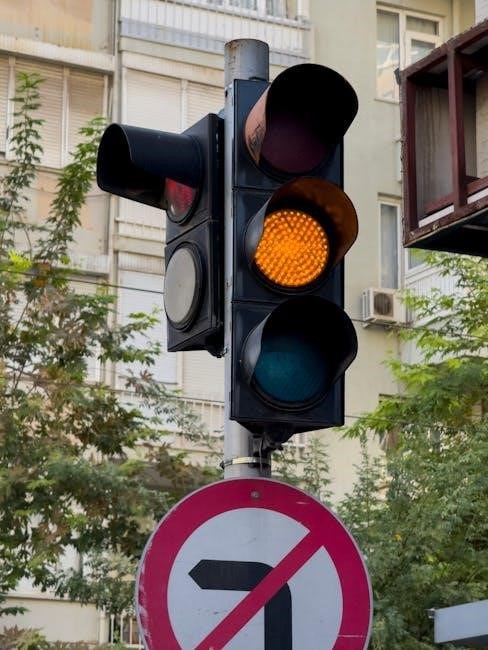
Worksite traffic control is crucial for safety, guided by resources like the Texas Engineering Extension Service (TEEX) manual.
Effective plans prioritize safe movement through zones, utilizing devices and signage.
Importance of Traffic Control
Effective traffic control at worksites is paramount, safeguarding both workers and the traveling public. Ignoring proper procedures leads to increased risks of collisions, injuries, and fatalities. Resources like the TEEX manual emphasize that temporary traffic control aims to provide a safe, efficient pathway around work zones.
Beyond safety, robust traffic control minimizes disruptions and delays for motorists. Well-planned lane closures and detours, coupled with clear signage, maintain traffic flow. Furthermore, adherence to regulatory frameworks ensures compliance and avoids potential legal ramifications. Proactive hazard identification and risk assessment are integral to establishing a secure work environment, protecting everyone involved and promoting project efficiency.
Regulatory Framework & Compliance
Traffic control operations are heavily governed by a complex regulatory framework, ensuring consistent safety standards. Compliance with these regulations isn’t merely advisable; it’s legally mandated. Various agencies establish guidelines for signage, lane closures, and worker protection. Adhering to these rules minimizes liability and promotes a safe work environment.
Understanding these frameworks requires ongoing training and updates for all personnel involved. Documentation of compliance, including traffic control plans and inspection records, is crucial. Failure to comply can result in significant fines, project delays, and, most importantly, preventable accidents. Prioritizing regulatory adherence demonstrates a commitment to safety and responsible project management.
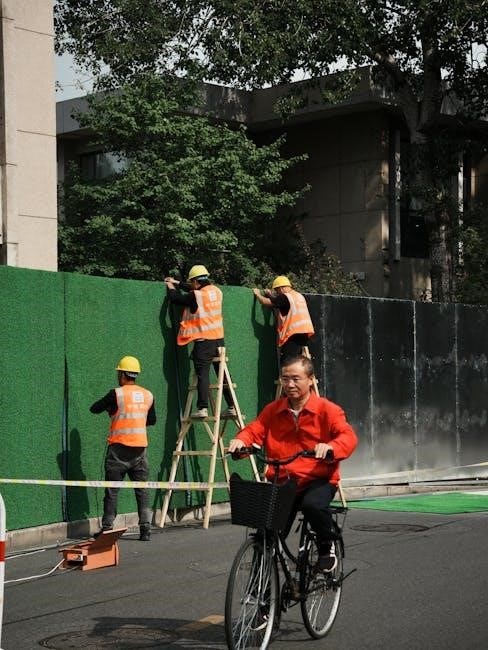
Planning & Preparation for Traffic Control
Effective traffic control begins with detailed planning, including comprehensive worksite analyses to identify and mitigate ergonomic and traffic-related hazards proactively.
Worksite Traffic Control Plan Development
Developing a robust worksite traffic control plan is paramount for ensuring safety and efficiency. This plan, often referencing guides like those from TEEX, must detail lane closures, detour routes, and the strategic placement of traffic control devices.
It should clearly define roles and responsibilities, particularly for flaggers, and outline procedures for managing pedestrian and bicycle traffic. The plan must also address nighttime operations, requiring enhanced visibility measures.
Crucially, the plan needs to be adaptable, allowing for daily monitoring and adjustments based on real-time conditions. Thorough documentation of the plan, including any modifications, is essential for compliance and future reference, supporting safe and compliant project execution.
Risk Assessment & Hazard Identification
A comprehensive risk assessment is the cornerstone of effective worksite traffic control. This process, integral to any traffic control plan, involves identifying potential hazards – limited sight distances, roadway maintenance issues, and improper device placement are key concerns.
Analyzing work zone characteristics, traffic volumes, and pedestrian activity helps determine the level of risk.
Employers must proactively address ergonomic hazards through engineering controls, ensuring worker safety. Thorough worksite analyses are vital for establishing procedures to mitigate identified risks, prioritizing the safety of both workers and the traveling public. This proactive approach minimizes incidents and ensures a compliant operation.
Traffic Control Device Selection
Selecting appropriate traffic control devices is paramount for clear communication and safety. This involves choosing the right signs, pavement markings, barricades, cones, and channelizing devices based on the specific work zone conditions and assessed risks.
Consider factors like traffic speed, volume, and road geometry when determining device placement and type.
Automated Flagger Assistance Devices (AFADs) and Intelligent Transportation Systems (ITS) offer advanced options for enhanced control. Proper device selection, coupled with diligent monitoring, ensures effective traffic flow and minimizes potential hazards, safeguarding both workers and motorists.

Traffic Control Devices & Signage
Effective traffic control relies on strategically deployed devices and clear signage to guide motorists safely through work zones, minimizing risks.
Types of Traffic Control Signs
Traffic control signs are vital for communicating hazards and instructions to drivers within a worksite. Regulatory signs, often black and white, inform drivers of laws and regulations – speed limits, lane closures, or turn restrictions. Warning signs, typically yellow and diamond-shaped, alert drivers to potential dangers ahead, such as curves, uneven pavement, or flaggers present.
Guidance signs, often green or blue, provide directional information and route guidance. Specific types include advance warning signs, lane control signs, and detour signs. Proper sign placement, visibility, and maintenance are essential for effectiveness. Consistent use of standardized signage, as outlined in manuals like those from TEEX, ensures drivers readily understand the messages and react appropriately, enhancing safety for both workers and the traveling public.
Pavement Markings & Their Significance
Pavement markings are crucial visual cues guiding drivers through work zones, complementing traffic control signs. These include lane lines, edge lines, crosswalks, and various symbols. Temporary pavement markings, often using durable tape or paint, delineate altered traffic patterns during construction.
Their significance lies in providing clear, immediate guidance, especially during low-visibility conditions. Properly maintained markings ensure drivers stay within designated lanes and understand directional changes. Reflective materials enhance nighttime visibility. Consistent application, adhering to standards detailed in worksite traffic control manuals, is paramount. Effective pavement markings minimize confusion and contribute significantly to overall worksite safety, reducing the risk of collisions.
Barricades, Cones & Channelizing Devices
Barricades, cones, and channelizing devices physically guide traffic and define work areas, forming a critical layer of protection. Barricades, typically rigid and reflective, are used for complete road closures or substantial lane shifts. Traffic cones, lighter and more portable, delineate temporary lane adjustments and hazard areas.
Channelizing devices, including drums and vertical panels, offer intermediate levels of guidance. Proper placement, spacing, and reflectivity are essential, as outlined in traffic control manuals. These devices must be regularly inspected and maintained to ensure visibility and stability. Their effective deployment minimizes intrusion into the work zone, safeguarding workers and motorists alike.
Flaggers: Roles & Responsibilities
Flaggers are vital for directing traffic in temporary traffic control zones, especially when automated solutions aren’t feasible. Their primary role is to safely guide vehicles through work areas, utilizing clear hand signals and stop/slow paddles. Proper training and certification are paramount, ensuring flaggers understand traffic patterns and safety protocols.
Responsibilities include maintaining situational awareness, wearing high-visibility clothing, and communicating effectively with both workers and drivers. Flaggers must be positioned with adequate visibility and escape routes. They are the human element of traffic control, requiring vigilance and adherence to established procedures for a safe worksite.

Implementing Traffic Control Measures
Effective implementation involves lane closures, detours, and temporary zones, demanding careful planning and adherence to safety guidelines for all road users.
Lane Closures & Detours
Strategic lane closures and detours are fundamental to worksite traffic control, requiring meticulous planning and clear communication. The TEEX manual emphasizes providing ample warning of upcoming closures, utilizing appropriate signage and pavement markings to guide motorists safely.
Detours must be well-marked, maintained, and suitable for all vehicle types expected to use them. Consideration should be given to pedestrian and bicycle traffic, ensuring alternative routes are available and clearly indicated.
Minimizing the duration of closures is paramount, and coordination with local authorities is essential to manage traffic flow and reduce congestion; Proper implementation safeguards workers and the traveling public, fostering a secure work environment.
Temporary Traffic Control Zones
Establishing clearly defined temporary traffic control zones is vital for worksite safety, as detailed in resources like the TEEX manual. These zones encompass the area where roadway alignment or traffic patterns are altered.
Components include an upstream warning area, a transition area to channelize traffic, a work area where activities occur, and a downstream area to allow traffic to return to normal flow.
Each zone requires specific signage, pavement markings, and channelizing devices to guide motorists and protect workers. Proper zone delineation minimizes confusion and reduces the risk of collisions, ensuring a safe passage through the worksite.
Nighttime Traffic Control Procedures
Nighttime traffic control demands heightened precautions due to reduced visibility, necessitating increased reliance on reflective materials and illumination. Procedures must prioritize clear and conspicuous guidance for motorists, exceeding daytime standards.
Signage requires enhanced reflectivity, and channelizing devices should be equipped with retroreflective sheeting or flashing beacons.
Consider using arrow boards and variable message signs to provide dynamic warnings and directional information. Worker visibility is paramount, mandating high-visibility clothing and potentially lighting. Careful planning and adherence to established guidelines, like those in the TEEX manual, are crucial for safe nighttime operations.
Pedestrian & Bicycle Traffic Management
Protecting pedestrians and cyclists within work zones is a critical safety component. Worksite traffic control plans must specifically address their needs, recognizing their vulnerability. Dedicated pedestrian walkways, clearly delineated and separated from vehicular traffic, are essential.
Bicycle lanes should be maintained whenever possible, or cyclists safely diverted with appropriate signage and detours.
Consider temporary signals or flaggers to facilitate safe crossings. Adequate illumination is vital, especially during nighttime operations. Consistent monitoring and adjustments to the plan are necessary to ensure continued safety for all road users, referencing resources like the TEEX manual.

Advanced Traffic Control Techniques
Innovative methods like Automated Flagger Assistance Devices (AFADs) and Intelligent Transportation Systems (ITS) enhance worksite safety and efficiency, managing traffic dynamically.
Automated Flagger Assistance Devices (AFADs)
AFADs represent a significant advancement in worksite traffic control, offering a safer and more efficient alternative to traditional flagging operations. These remotely operated devices utilize flashing lights and dynamic message signs to regulate traffic flow, reducing worker exposure to hazardous conditions. They are particularly valuable in situations requiring extended lane closures or high traffic volumes.
Proper implementation of AFADs necessitates thorough training for personnel responsible for their operation and monitoring. Considerations include device placement, visibility, and adherence to relevant regulatory guidelines. While AFADs enhance safety, they do not entirely eliminate the need for human oversight; regular checks and adjustments are crucial to ensure continued effectiveness. They contribute to improved traffic flow and reduced congestion within work zones.
Intelligent Transportation Systems (ITS) in Work Zones
Integrating Intelligent Transportation Systems (ITS) into worksite traffic control represents a proactive approach to managing congestion and enhancing safety. These systems leverage real-time data collection and analysis to dynamically adjust traffic flow based on prevailing conditions. Components often include variable message signs, traffic sensors, and automated incident detection systems.
ITS applications in work zones can facilitate variable speed limits, dynamic lane management, and optimized signal timing. This responsiveness minimizes delays and reduces the risk of secondary crashes. Successful implementation requires careful planning, robust communication networks, and skilled personnel capable of interpreting and responding to system outputs. ITS contributes to a more informed and efficient traffic experience for both workers and motorists.
Variable Speed Limits & Dynamic Lane Management
Variable Speed Limits (VSL) proactively adjust posted speeds based on real-time conditions within a work zone, mitigating congestion and enhancing safety. Coupled with Dynamic Lane Management (DLM), which opens or closes lanes based on demand, these strategies optimize traffic flow. DLM utilizes overhead lane control signals and automated systems to guide drivers effectively.
Implementing VSL and DLM requires sophisticated detection systems, communication infrastructure, and responsive signage. These technologies reduce shockwave effects, improve throughput, and minimize the risk of secondary incidents. Careful calibration and ongoing monitoring are essential for optimal performance. Both techniques represent a shift towards proactive, data-driven traffic control, improving work zone efficiency.
Traffic Control Safety Checklist & Best Practices
Safety checklists, like those for incidents under 60 minutes, are vital for setup and monitoring. Consistent pre-operation inspections and emergency procedures ensure worker and public safety.
Pre-Operation Inspection Checklist
A thorough pre-operation inspection is paramount before initiating any traffic control measures. This checklist should verify the proper placement and condition of all traffic control devices, including signs, cones, barricades, and pavement markings. Ensure all signage is clean, visible, and appropriately positioned according to established guidelines – referencing resources like the TEEX manual is beneficial.
Inspect flags for damage and ensure flaggers are properly equipped and understand their responsibilities. Confirm that lane closures and detours are clearly marked and communicated. Verify the functionality of any automated flagger assistance devices (AFADs) or intelligent transportation systems (ITS) being utilized. Finally, review emergency response procedures with the team, ensuring everyone understands their roles in case of an incident. Document all inspection findings and address any deficiencies immediately before commencing work.
Daily Monitoring & Adjustments
Consistent daily monitoring of traffic control is essential throughout the duration of the worksite activity. Regularly inspect all devices for displacement due to weather, traffic, or vandalism, making necessary adjustments promptly. Observe traffic flow patterns and pedestrian movements, adapting the control plan as needed to optimize safety and efficiency.
Pay close attention to changing conditions, such as increased traffic volume or adverse weather, and proactively implement appropriate modifications. Ensure flaggers remain vigilant and responsive to traffic demands. Document any adjustments made to the traffic control plan, maintaining a clear record of changes. Referencing the TEEX manual can aid in informed decision-making during these adjustments.
Emergency Response Procedures
Robust emergency response procedures are vital for worksite traffic control. Plans must outline clear steps for handling incidents like accidents, vehicle breakdowns, or sudden changes in weather. This includes immediate notification protocols for emergency services and internal personnel.
Ensure all workers understand their roles in an emergency, including securing the worksite and directing traffic safely. Pre-determined detour routes should be established and readily available. The TEEX manual emphasizes the importance of swift, coordinated action to minimize disruption and prevent secondary incidents. Regular drills can reinforce these procedures, ensuring preparedness and a rapid, effective response.

Training & Certification for Traffic Control Personnel
Proper training and certification are essential for all personnel involved in worksite traffic control, preparing employees to manage devices and signage effectively.
Flagger Certification Requirements
Flagger certification is a critical component of worksite safety, ensuring personnel are adequately trained to direct traffic effectively and safely. Requirements often involve a comprehensive training program covering topics like flagger hand signals, proper positioning, and recognizing various traffic patterns.
These programs typically include both classroom instruction and practical, hands-on exercises to reinforce learned concepts. Successful completion usually necessitates passing a written exam demonstrating understanding of traffic control principles and a practical assessment verifying the ability to perform flagging duties correctly.
Certification validity periods vary, often requiring periodic refresher courses to maintain competency and stay updated on evolving best practices and regulatory changes. Employers are responsible for verifying that flaggers possess current, valid certifications before assigning them to work zones.
Traffic Control Supervisor Training
Traffic control supervisor training extends beyond basic flagger certification, focusing on comprehensive worksite safety management. Supervisors learn to develop and implement effective traffic control plans, conduct thorough risk assessments, and identify potential hazards within work zones.
Curricula cover regulatory compliance, proper selection and placement of traffic control devices, and emergency response procedures. A key component involves understanding how to analyze worksite conditions and adapt traffic control measures accordingly.
Supervisors are trained to oversee flagger operations, ensuring adherence to safety protocols and providing ongoing guidance. Successful completion often requires demonstrating proficiency in plan development, hazard mitigation, and effective communication skills, ultimately ensuring a safe environment for workers and the public.
Ongoing Training & Refresher Courses
Continuous professional development is vital in worksite traffic control, necessitating regular refresher courses for all personnel. Regulations and best practices evolve, demanding updated knowledge of traffic control devices, signage, and emergency protocols.
These courses reinforce core competencies, address emerging challenges, and ensure consistent application of safety standards. Topics include advanced flagger techniques, incident management, and the integration of new technologies like Automated Flagger Assistance Devices (AFADs).
Refresher training also emphasizes the importance of pre-operation inspections, daily monitoring, and proactive hazard identification, fostering a culture of safety and minimizing risks within dynamic work zones.
Specific Worksite Considerations
Traffic control strategies must adapt to unique environments – highways, urban streets, and rural roads – requiring tailored plans and device deployment for optimal safety.
Highway & Freeway Work Zones
Highway and freeway work zones present unique traffic control challenges due to high speeds and volumes. Implementing temporary traffic control requires meticulous planning, often involving extensive lane closures and detours.
Prioritizing early warning systems, such as large, highly visible signage, is paramount to alert drivers well in advance of work areas.
Effective strategies include utilizing automated flagger assistance devices (AFADs) and, increasingly, intelligent transportation systems (ITS) to manage traffic flow dynamically. Variable speed limits can further enhance safety by adjusting to prevailing conditions.
Robust pedestrian and bicycle management plans are also essential, even on high-speed roadways, to protect vulnerable users. Constant monitoring and adjustments are crucial, especially during nighttime operations, to ensure continued safety and compliance with regulatory frameworks.
Urban Street Work Zones
Urban street work zones demand a nuanced approach to traffic control, considering pedestrians, cyclists, and frequent intersections. Limited right-of-way often necessitates phased construction and precise timing of lane closures. Clear and concise signage is vital, alongside highly visible pavement markings to guide motorists and protect workers.
Managing pedestrian and bicycle traffic safely requires dedicated pathways and signalized crossings, ensuring accessibility for all users. Frequent monitoring is crucial to adapt to changing traffic patterns and address potential congestion.
Effective communication with local businesses and residents is also key to minimizing disruption. Prioritizing safety through diligent implementation of the traffic control plan, and adherence to regulatory guidelines, is paramount in these complex environments.
Rural Road Work Zones
Rural road work zones present unique traffic control challenges due to higher speeds, longer sight distances, and potentially limited emergency services access. Advanced warning signage is critical, providing ample time for motorists to react to changing conditions. The use of larger, more reflective signs is often necessary to enhance visibility.
Lane closures should be minimized where possible, and detours clearly marked with directional guidance. Consideration must be given to agricultural equipment and other large vehicles commonly found in rural areas.
Regular monitoring and adjustments to the traffic control plan are essential, particularly during inclement weather. Prioritizing worker and public safety through proactive measures and adherence to established guidelines is paramount in these environments.

Post-Work Traffic Control & Removal
Post-work procedures involve restoring roadway markings and promptly removing all traffic control devices, followed by a final inspection and thorough documentation.
Restoration of Roadway Markings
Following device removal, restoring roadway markings to their pre-work condition is paramount for driver safety and guidance. This includes repainting lane lines, edge lines, crosswalks, and any other previously existing markings. The restoration process must adhere to established standards, ensuring reflectivity and durability equivalent to the original markings.
Temporary markings used during the work zone should be completely removed, leaving no remnants that could confuse drivers. Careful attention should be paid to matching the original marking patterns and colors. Proper curing time for new paint is essential before reopening lanes to traffic, guaranteeing optimal visibility and performance. Documentation of the restoration process, including materials used and dates completed, is a critical component of the post-work procedures.
Removal of Traffic Control Devices
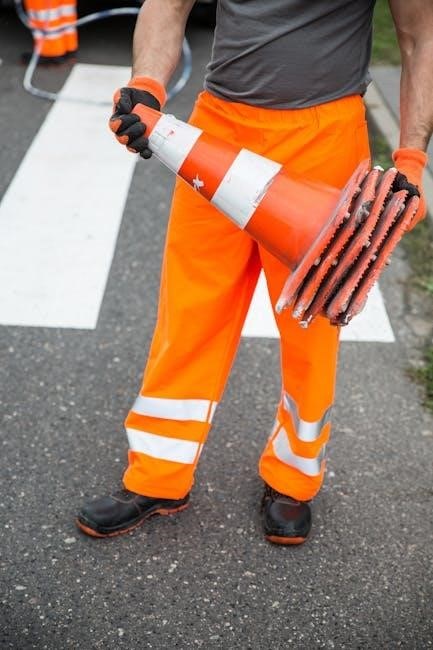
Prompt and systematic removal of all traffic control devices is essential once work is completed and lanes are ready for reopening. This includes signs, barricades, cones, channelizing devices, and any temporary pavement markings. A coordinated approach minimizes disruption and potential hazards to motorists.
Devices should be removed during off-peak hours whenever possible, with continued monitoring to ensure no remnants remain. Crews must inspect the roadway to collect any loose materials or debris. Proper storage or disposal of removed devices is crucial, adhering to environmental regulations. Documentation of the removal process, including dates and personnel involved, provides a record of completion and accountability.
Final Inspection & Documentation
A comprehensive final inspection verifies that the roadway has been fully restored to its pre-work condition, ensuring all temporary controls are gone. This includes checking for remaining pavement markings, debris, and properly functioning signage. Documentation is paramount, detailing the entire traffic control process.
Records should encompass the initial plan, any modifications made, dates of device placement and removal, and personnel responsible. Photographic evidence provides a visual record. This documentation serves as proof of compliance, aids in incident investigation, and informs future work zone planning, contributing to continuous safety improvements.