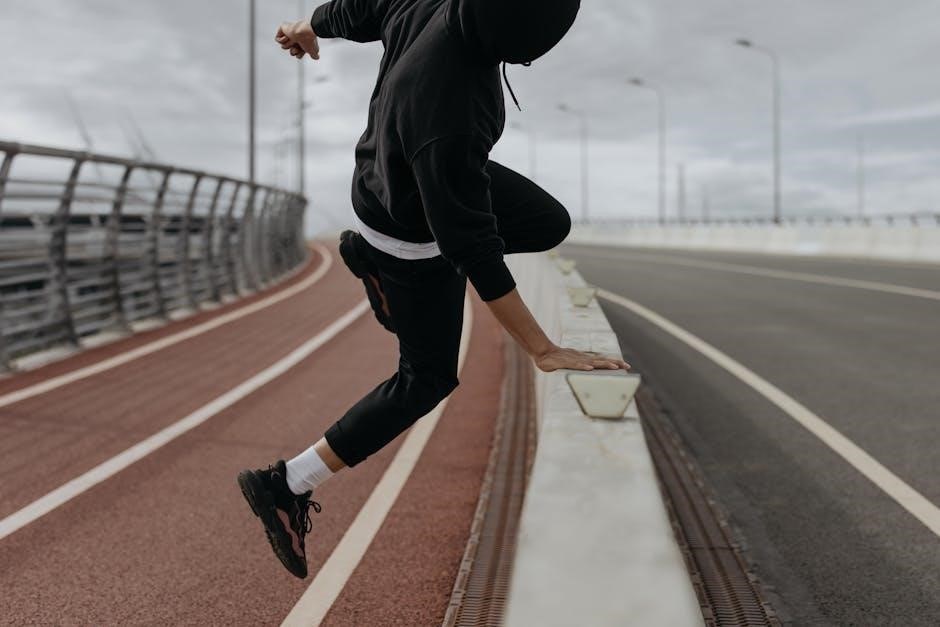
Youth Speed and Agility Training Program: An Overview
Preparing young athletes for fall sports requires focused drills, enhancing skill sets and physical readiness for peak performance on the field.
Neymar exemplifies dedication, constantly striving for improvement – a mindset crucial for youth athletes aiming to excel through consistent training.
Program Goals & Objectives
This program aims to elevate young athletes’ athletic capabilities, focusing on both speed and agility – essential components for success in numerous sports. We strive to improve acceleration, maximum sprinting velocity, and the ability to rapidly change direction with control.
A core objective is to enhance footwork, coordination, and reactive agility, mirroring the dedication of athletes like Neymar Jr., who consistently refine their skills. Furthermore, the program prioritizes injury prevention through proper technique and conditioning.
Ultimately, we seek to build a strong athletic foundation, preparing participants for the demands of their chosen sport and fostering a lifelong commitment to physical fitness and peak performance, especially as fall training approaches.
Target Age Groups & Skill Levels
This program is designed for youth athletes aged 8-16, categorized into three skill levels: Beginner, Intermediate, and Advanced. Beginners (8-10 years) will focus on fundamental movement skills and basic agility drills, building a foundation for future development.
Intermediate athletes (11-13 years) will progress to more complex drills, incorporating speed work and reactive agility exercises, mirroring the dedication seen in professional athletes preparing for competition.
Advanced participants (14-16 years) will engage in high-intensity training, emphasizing sport-specific movements and advanced plyometrics, preparing them for the demands of fall sports and beyond, much like Neymar’s relentless pursuit of improvement.
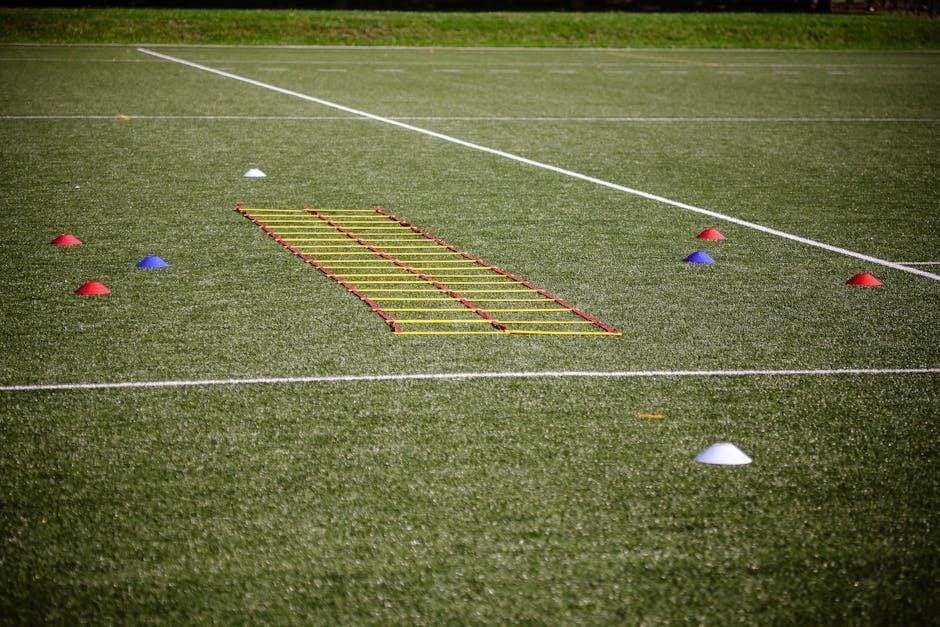
Warm-up & Dynamic Stretching
Prior to drills, a proper warm-up prepares muscles for activity, reducing injury risk and enhancing performance – essential for fall sports readiness.
Importance of Dynamic Stretching for Youth Athletes
Dynamic stretching is paramount for young athletes, differing significantly from static stretching before activity. It involves controlled movements through a full range of motion, actively preparing muscles for the demands of speed and agility work. This approach elevates muscle temperature, increases blood flow, and improves joint mobility – all crucial for optimal performance and injury prevention.
Unlike static stretching, which can temporarily reduce power output, dynamic stretches enhance neuromuscular activation, priming the nervous system for rapid movements. Incorporating dynamic movements mimics the actions required in sports, fostering sport-specific readiness. A well-executed dynamic warm-up prepares the body, mind, and nervous system, setting the stage for a productive and safe training session, mirroring the dedication of athletes like Neymar.
Sample Dynamic Warm-up Routine (10-15 minutes)
Begin with 2 minutes of light cardio, like jogging or jumping jacks, to elevate heart rate. Follow with leg swings (forward, backward, and lateral – 10 reps each leg), arm circles (forward and backward – 10 reps each arm), and torso twists (10 reps each side).
Include walking lunges (10 reps per leg), high knees (20 yards), butt kicks (20 yards), and carioca (20 yards each direction). Finish with inchworms (5-8 reps) and dynamic hamstring stretches like straight-leg marches. This routine, mirroring preparation for fall sports, prepares athletes like Neymar, ensuring muscles are warm and ready for intense speed and agility drills. Prioritize controlled movements and proper form throughout.

Speed Development Drills
Focusing on acceleration, maximum velocity, and speed endurance, these drills build essential skills for fall sports, mirroring a champion’s dedication to improvement.
Acceleration Drills (5-10 yard sprints)
These short sprints are foundational for developing explosive power, crucial for quickly gaining ground in any sport. Proper technique is paramount; athletes should focus on a powerful first step, maintaining a low center of gravity, and driving their knees forward.
Coaches should emphasize a forward lean from the start, avoiding upright running too early. Repetitions should be performed with full recovery between each sprint to maintain quality. Like Neymar, consistent effort builds a strong foundation.
Variations include resisted sprints (using light resistance bands) and downhill sprints (with a slight incline) to further challenge acceleration capabilities. Monitoring form and providing constructive feedback are essential for preventing injuries and maximizing gains.
Maximum Velocity Drills (20-40 yard sprints)
Once a solid acceleration base is established, these drills focus on achieving and maintaining top speed. Athletes should aim for a relaxed upper body, efficient arm action, and a high knee lift. Stride length and frequency are key components to optimize.
Proper warm-up is vital before these high-intensity sprints, mirroring the preparation needed for competitive play. Like Neymar’s dedication, consistent practice refines technique. Coaches should observe for any breakdown in form as fatigue sets in.
Incorporating flying sprints (starting at speed) and incorporating slight downhill gradients can help athletes experience and adapt to faster running speeds. Recovery is crucial; allow ample rest between repetitions.
Speed Endurance Drills (Shuttle Runs, Repeat Sprints)
These drills bridge the gap between pure speed and the ability to maintain it throughout a game. Shuttle runs, like the 5-10-5, demand quick changes of direction and repeated accelerations, mirroring game demands. Repeat sprints, with short recovery periods, build lactic acid tolerance.
Focus should be on maintaining good form even when fatigued, echoing Neymar’s consistent performance. Gradually decrease recovery time to increase the challenge. Monitoring heart rate can help gauge intensity and ensure appropriate loading.
Proper cool-down is essential post-drill to aid recovery and minimize muscle soreness, preparing athletes for subsequent training sessions or competition.
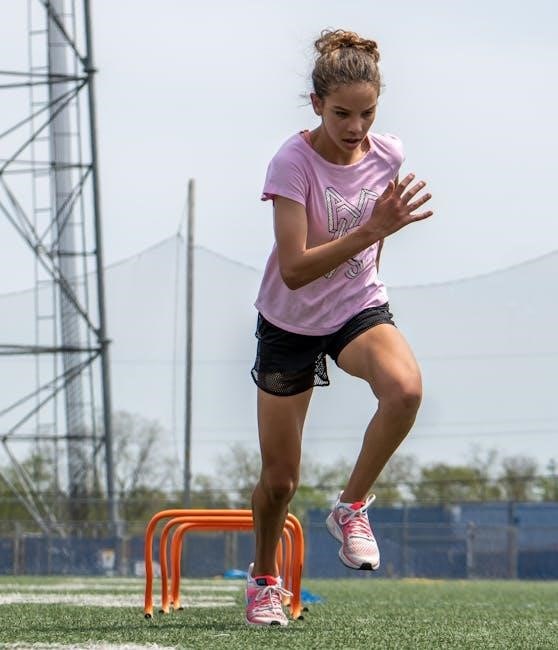
Agility Training Drills
Developing quick reactions and efficient movement patterns is vital for sports, demanding drills that mimic game scenarios and enhance athletic responsiveness.
Cone Drills (T-Drill, 5-10-5 Shuttle)
Cone drills are foundational for agility, demanding rapid changes in direction and acceleration. The T-Drill involves sprinting forward, shuffling laterally, and backpedaling, improving multi-directional speed.
The 5-10-5 Shuttle, another key drill, tests an athlete’s ability to quickly sprint, touch a line, and return, repeated across increasing distances. These drills enhance footwork, coordination, and reaction time, mirroring the dynamic movements required in many sports.
Proper form is crucial; athletes should maintain a low center of gravity and focus on quick, precise steps. Progressive overload – gradually increasing speed and repetitions – is essential for continued improvement and preventing injury. These drills build a strong base for more complex agility work.
Ladder Drills (Footwork & Coordination)
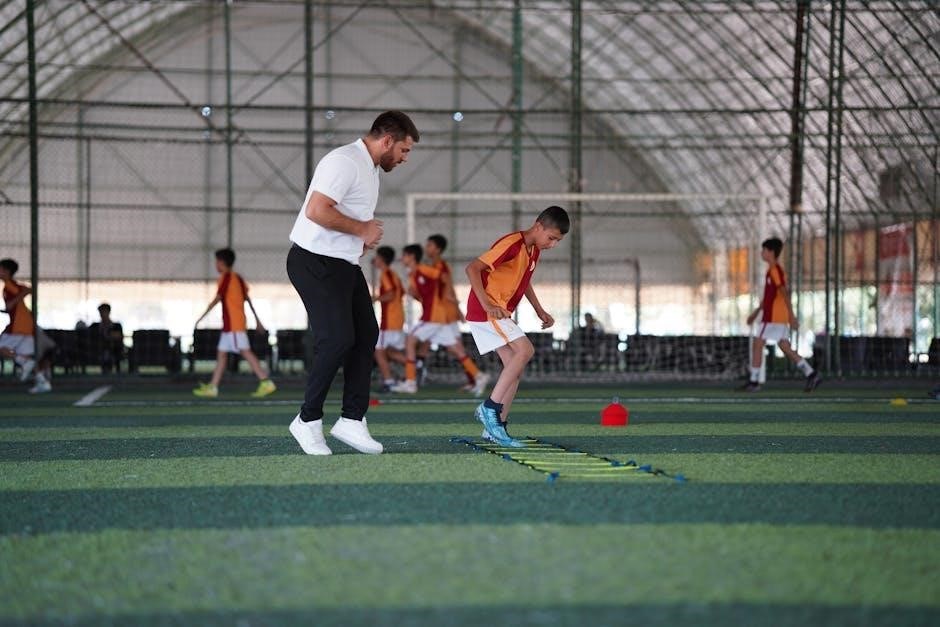
Agility ladders dramatically improve footwork, coordination, and quickness. Various patterns – like in-and-outs, Icky Shuffle, and lateral shuffles – challenge athletes to maintain precise foot placement and rhythm.
These drills aren’t just about speed; they develop body control and the ability to react quickly to changing stimuli. Focusing on high knees and quick foot contacts maximizes the benefits.
Like cone drills, ladder work prepares athletes for the demands of sports requiring rapid directional changes. Start slowly, emphasizing technique, and gradually increase speed as proficiency grows. Consistent practice builds neuromuscular pathways for efficient movement.
Reactive Agility Drills (Mirror Drills, Reaction Ball)
True agility isn’t just about speed; it’s about reacting to unpredictable stimuli. Reactive drills, like mirror drills and reaction ball exercises, challenge athletes to respond quickly and efficiently;
Mirror drills involve one athlete mirroring the movements of another, enhancing visual processing and reaction time. Reaction ball drills, using unpredictable bounces, force athletes to adjust their movements instantly.
These drills translate directly to game situations where opponents’ actions are constantly changing. They develop cognitive skills alongside physical abilities, creating well-rounded, adaptable athletes prepared for any challenge.
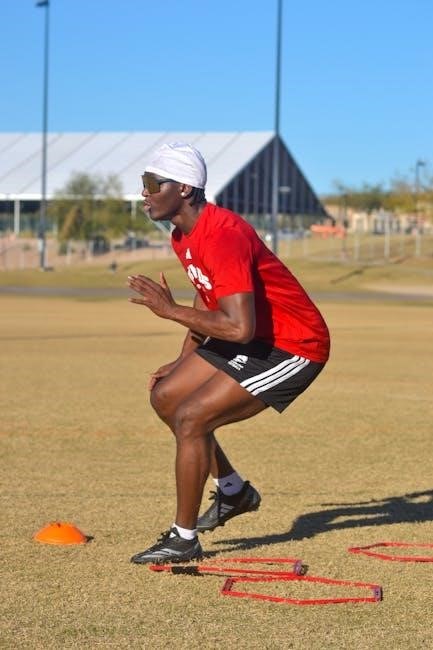
Plyometrics for Youth Athletes
Plyometric exercises build explosive power, crucial for speed and agility, but require careful introduction with safety as the top priority for young athletes.
Plyometrics, also known as jump training, utilizes the stretch-shortening cycle to develop explosive power – a vital component for enhancing both speed and agility in young athletes. However, introducing plyometrics requires a cautious and progressive approach.
Prior to initiating any plyometric program, a solid foundation of strength and proper landing mechanics is absolutely essential. Young athletes must demonstrate sufficient lower body strength to safely absorb impact forces.
Safety is paramount; begin with low-intensity exercises and gradually increase the difficulty as the athlete’s strength and technique improve. Proper supervision by a qualified coach is non-negotiable. Ensure adequate warm-up and cool-down routines are implemented before and after each session to minimize injury risk. Appropriate surfaces are also crucial – avoid hard or uneven ground.
Low-Intensity Plyometrics (Jumping Jacks, Box Jumps ⎻ low height)
Initiating plyometric training for youth athletes should always begin with low-intensity exercises to build a base and reinforce proper technique. Jumping jacks are an excellent starting point, developing coordination and basic jumping ability.
Box jumps, utilizing very low box heights (6-12 inches), introduce a more specific plyometric movement, focusing on explosive leg extension and soft landings. Emphasis should be placed on absorbing impact quietly and maintaining good form throughout the exercise.
These exercises are designed to prepare the neuromuscular system for more demanding plyometric activities. Volume should be kept relatively low, with multiple sets of low repetitions, prioritizing quality of movement over quantity. Constant monitoring and coaching feedback are vital during these foundational stages.
Moderate-Intensity Plyometrics (Single Leg Hops, Cone Hops)
Progressing from low-intensity plyometrics, moderate-intensity drills challenge athletes further, building upon the foundational strength and technique established previously. Single leg hops demand greater balance, stability, and unilateral power development, crucial for agility and sprinting.
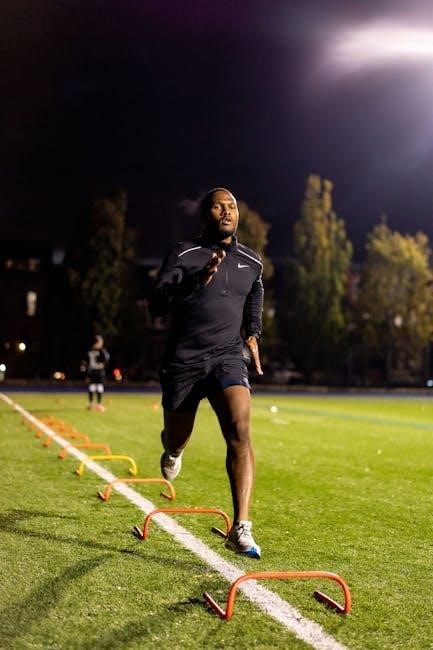
Cone hops introduce a directional component, requiring athletes to explosively change direction while maintaining control. These drills enhance reactive strength and coordination, mimicking the demands of many sports.
Proper landing mechanics remain paramount; coaches must continually reinforce soft landings and controlled movements. Volume should be carefully managed, with adequate rest between sets to prevent fatigue and minimize injury risk. Focus on quality execution over the number of repetitions.
Strength Training for Speed & Agility
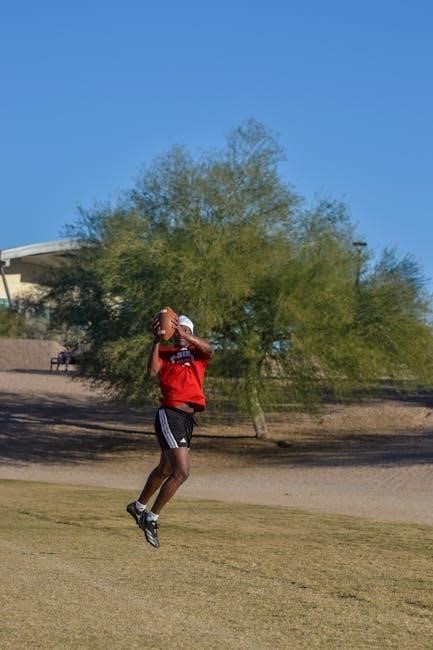
Building a strong foundation through bodyweight exercises, light resistance, and core work is essential for enhancing speed, agility, and overall athletic performance.
Bodyweight Strength Exercises (Squats, Lunges, Push-ups)
Bodyweight exercises form the cornerstone of a youth strength program, requiring no equipment and building foundational strength. Squats enhance lower body power, crucial for acceleration and jumping. Proper form is paramount; emphasize a controlled descent and explosive ascent. Lunges improve single-leg strength and balance, vital for agility and change of direction.
Push-ups develop upper body strength, contributing to overall athleticism and power transfer. Modifications, like knee push-ups, accommodate varying strength levels. These exercises, mirroring Neymar’s dedication to constant improvement, build a robust base for more advanced training, preparing young athletes for the demands of their sport and minimizing injury risk.
Light Resistance Training (Medicine Ball Throws, Resistance Bands)
Introducing light resistance gradually builds strength and power without overstressing developing bodies. Medicine ball throws enhance explosive power, mimicking sport-specific movements like throwing or jumping. Focus on proper technique and controlled movements to maximize effectiveness and safety. Resistance bands provide variable resistance, challenging muscles throughout a full range of motion.
Exercises like band walks and resisted sprints improve lower body power and stability. Similar to Neymar’s relentless pursuit of improvement, these tools allow for progressive overload, fostering strength gains. Prioritize form and controlled execution, ensuring young athletes develop a solid foundation for more advanced resistance training later on.
Core Strengthening Exercises (Planks, Russian Twists)
A strong core is fundamental for efficient movement, balance, and injury prevention in young athletes. Planks, a foundational exercise, build isometric strength in the abdominals, back, and shoulders. Proper form – maintaining a straight line from head to heels – is crucial. Russian twists, performed with or without light weight, enhance rotational power, vital for many sports.
Like Neymar’s dedication to peak physical condition, consistent core work translates to improved performance. Focus on controlled movements and engaging the deep core muscles. These exercises complement speed and agility drills, providing a stable base for explosive actions and enhancing overall athletic capability.
Program Structure & Periodization
Strategic planning, mirroring a professional athlete’s regimen, is key; a phased approach builds technique, then intensity, maintaining gains throughout the season.
Weekly Training Schedule (Example)
A sample weekly schedule integrates speed, agility, and strength work, ensuring balanced development. Monday focuses on speed development – acceleration and maximum velocity drills – with a thorough dynamic warm-up beforehand. Tuesday shifts to agility, utilizing cone and ladder drills to enhance footwork and reaction time. Wednesday is dedicated to strength training, incorporating bodyweight exercises and light resistance work.
Thursday mirrors Monday’s speed focus, but with a greater emphasis on speed endurance through shuttle runs. Friday is another agility day, introducing reactive drills like mirror drills. Saturday could involve a lighter plyometrics session, while Sunday is reserved for active recovery – light cardio or stretching – to promote muscle recovery and prevent overuse injuries. This schedule is a template, adaptable based on athlete needs and sport-specific demands.
Phase 1: Foundation Phase (Focus on Technique)
The initial phase prioritizes mastering fundamental movement patterns. This involves extensive work on proper running mechanics – posture, arm action, and stride length – before introducing high-intensity drills. Agility work centers on basic cone drills, emphasizing efficient footwork and body control. Strength training focuses on building a solid base with bodyweight exercises, ensuring correct form to prevent injuries.
This phase is about building a strong technical foundation, akin to Neymar’s dedication to constant improvement. Volume is relatively low, with a high emphasis on quality repetitions and coaching feedback. The goal isn’t speed or power yet, but establishing the correct movement habits for future progression.
Phase 2: Intensification Phase (Increase Intensity & Volume)
Building upon the foundational skills, this phase progressively increases the intensity and volume of training. Speed drills now incorporate more challenging sprints with shorter recovery periods, developing speed endurance. Agility drills become more complex, introducing reactive elements and quicker changes of direction. Light resistance training is added, utilizing medicine balls and resistance bands to enhance power and strength.
Similar to preparing for fall sports, this phase focuses on sport-specific drills. Monitoring athlete fatigue is crucial, mirroring Neymar’s consistent performance through careful preparation. The aim is to translate technical proficiency into measurable gains in speed, agility, and power, while maintaining proper form.
Phase 3: Maintenance Phase (Maintain Gains During Season)
During the competitive season, the focus shifts to maintaining the speed, agility, and strength developed in previous phases. Training volume is reduced to prevent overtraining and allow for recovery between competitions. Sessions prioritize high-intensity, short-duration drills that mimic game demands.
Like Neymar’s dedication to peak performance, this phase emphasizes quality over quantity. Incorporating sport-specific movements reinforces learned skills. Monitoring athlete fatigue remains vital, adjusting training based on game schedules. The goal is to preserve athletic gains, ensuring athletes remain explosive and agile throughout the season, ready to compete at their best.
Cool-down & Static Stretching
Post-training cool-downs and static stretching are essential for muscle recovery, flexibility, and injury prevention, mirroring a professional athlete’s routine.
Importance of Cool-down & Static Stretching
Following intense speed and agility work, a proper cool-down is paramount for young athletes. It facilitates a gradual decrease in heart rate and blood pressure, preventing dizziness or fainting. Static stretching, holding each stretch for 20-30 seconds, then becomes crucial.
This practice improves flexibility, reduces muscle soreness, and enhances long-term athletic performance. Ignoring cool-downs can lead to muscle stiffness and increased risk of injury, hindering progress. Just as Neymar Jr. maintains peak condition, consistent cool-downs and stretching build a foundation for sustained athletic development.
Prioritizing recovery allows young athletes to return to training sessions feeling refreshed and prepared, maximizing their potential and minimizing the chance of setbacks. It’s a non-negotiable component of a comprehensive training program.
Sample Static Stretching Routine (10-15 minutes)
Begin with hamstring stretches, holding each leg for 30 seconds. Follow with quadriceps stretches, supporting balance as needed. Calf stretches, leaning against a wall, are essential for lower leg flexibility.
Include groin stretches, sitting with soles of feet together, gently pressing knees towards the ground. Shoulder stretches, reaching across the body, improve upper body range of motion. Triceps stretches, reaching one arm overhead and bending at the elbow, enhance arm flexibility.
Remember to breathe deeply throughout each stretch, avoiding bouncing. This 10-15 minute routine, mirroring a professional’s dedication like Neymar Jr., promotes recovery and prepares young athletes for future training sessions, minimizing injury risk.
Injury Prevention & Safety
Prioritize proper footwear, hydration, and nutrition to safeguard young athletes. Recognizing overuse injuries early is vital for continued, safe participation.
Proper Footwear & Equipment
Selecting appropriate footwear is paramount for injury prevention during speed and agility training. Shoes should provide adequate support, cushioning, and traction suited to the training surface – whether it’s a field, track, or gym floor. Ill-fitting or worn-out shoes significantly increase the risk of ankle sprains, shin splints, and other lower extremity injuries.
Beyond footwear, consider equipment like properly fitted cones, agility ladders, and reaction balls. Ensure these items are in good condition and free from defects. For plyometric exercises, a cushioned surface is essential. Coaches and trainers should always inspect equipment before each session, removing any potential hazards. Prioritizing quality and safety in equipment selection demonstrates a commitment to athlete well-being.
Hydration & Nutrition Guidelines
Optimal hydration is critical for performance and recovery in youth speed and agility programs. Athletes should drink water consistently throughout the day, not just during training sessions. Dehydration can lead to fatigue, muscle cramps, and decreased cognitive function, hindering skill development. Encourage water breaks every 15-20 minutes during activity.
Nutritionally, a balanced diet rich in carbohydrates, lean proteins, and healthy fats fuels training and supports muscle repair. Prioritize whole foods over processed snacks. Consuming a carbohydrate-rich meal or snack before training provides energy, while protein intake post-workout aids recovery. Proper nutrition complements the physical demands of the program, maximizing results and overall health.
Recognizing & Addressing Overuse Injuries
Youth athletes are susceptible to overuse injuries due to rapid growth and training demands. Coaches and parents must be vigilant for signs like persistent pain, swelling, or tenderness in joints and muscles; Ignoring these symptoms can lead to more serious conditions.
Early intervention is key. Rest, ice, compression, and elevation (RICE) are initial treatment steps. Modify training intensity or volume if pain persists. Seeking professional evaluation from a sports medicine physician or physical therapist is crucial for accurate diagnosis and a tailored rehabilitation plan. Prioritizing athlete well-being prevents long-term complications and ensures continued participation.
Monitoring Progress & Assessment
Regular assessments, including sprint timing and agility tests like the T-Test, are vital for tracking improvements and tailoring the program effectively.
Timing & Measuring Sprint Speeds
Accurate sprint timing is fundamental to evaluating speed development within the youth program. Utilizing electronic timing gates, such as those employing laser or photoelectric technology, provides precise measurements, minimizing human error compared to manual timing with stopwatches.
Distances commonly used for timing include 10-yard, 20-yard, and 40-yard sprints, aligning with drills focused on acceleration, maximum velocity, and speed endurance. Record multiple trials for each athlete, calculating average sprint times to establish a reliable baseline and track progress consistently.
Beyond raw time, consider analyzing split times – for example, the time to reach the first 10 yards – to pinpoint specific areas for improvement in acceleration mechanics. Consistent timing protocols and standardized conditions are crucial for meaningful comparisons over time.
Agility Testing (T-Test, Pro Agility Shuttle)
Evaluating agility requires tests that mimic the multi-directional movements demanded in many sports; The T-Test and Pro Agility Shuttle are widely used assessments, providing valuable insights into an athlete’s ability to change direction quickly and efficiently.
The T-Test involves sprinting forward, shuffling laterally, and backpedaling, measuring total time and observing movement quality. The Pro Agility Shuttle (5-10-5) assesses lateral speed and the ability to accelerate and decelerate rapidly. Standardized setup and clear instructions are vital for reliable results.
Record times for each test, noting any observable deficiencies in technique, such as inefficient shuffling or slow transitions. These tests, combined with sprint data, offer a comprehensive picture of an athlete’s speed and agility capabilities.
Tracking Improvements & Adjusting the Program
Consistent monitoring of progress is crucial for optimizing a youth speed and agility program. Regularly reassess sprint times and agility test results (T-Test, Pro Agility Shuttle) to identify areas of improvement and plateaus. Detailed record-keeping allows for data-driven decisions.
If an athlete isn’t showing expected gains, analyze potential factors – technique flaws, insufficient recovery, or inadequate program intensity. Adjust drills, volume, or rest periods accordingly. Remember, individual responses vary.
Like Neymar’s dedication to constant self-improvement, the program should be dynamic, adapting to each athlete’s needs. Periodization phases (foundation, intensification, maintenance) guide these adjustments, ensuring continued progress and preventing overtraining.